Meme Insider
If you're keeping an eye on the wild world of decentralized finance (DeFi), you've probably heard the buzz about the recent exploit hitting Balancer. On November 3, 2025, on-chain analyst @OnchainDataNerd shared a tweet highlighting what looks like a massive security breach on the Balancer protocol, with around $100 million in assets siphoned off. Let's break this down step by step, explain the tech in simple terms, and explore what it could mean for the broader crypto ecosystem, especially if you're into meme tokens.
What is Balancer?
Balancer is a popular DeFi protocol built on Ethereum, acting as an automated market maker (AMM). Think of it like a smart vending machine for crypto swaps: users provide liquidity to pools containing various tokens, and in return, they earn fees from trades. Unlike simpler AMMs like Uniswap, Balancer allows for customizable pool weights—meaning a pool could have 80% ETH and 20% another token, making it flexible for all sorts of assets, including meme tokens that often pop up in niche liquidity setups.
This flexibility has made Balancer a go-to for DeFi enthusiasts, but as we've seen time and again, where there's innovation, there are also vulnerabilities.
Details of the Exploit
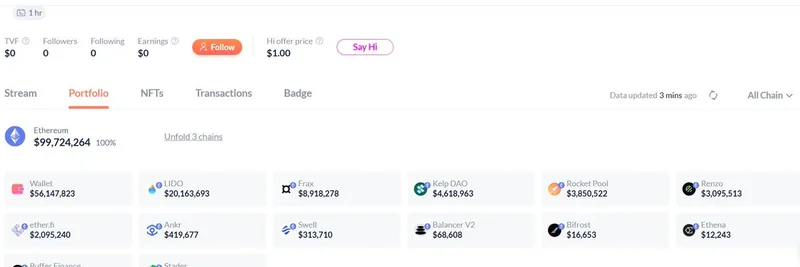
According to on-chain data spotted by @OnchainDataNerd, the attack targeted multiple liquidity pools on Balancer, draining high-value Ethereum-based assets. The exploiter's wallet, visible on DeBank, shows a portfolio ballooning to nearly $100 million post-exploit. Key assets stolen include:
- 7,838 WETH (Wrapped Ether, basically ETH in a token form for DeFi use)
- 6,851 osETH (a staked ETH variant from Orbit Space)
- 5,431 wstETH (wrapped staked ETH from Lido, used for liquid staking)
- 2,443 frxETH (from Frax Finance, another ETH derivative)
- 1,224 rsETH (from Renzo, for restaked ETH)
- 1,037 rETH (Rocket Pool's staked ETH token)
- And more, totaling around $100 million at current market prices.
Reports from outlets like The Block and BeInCrypto confirm the hack, estimating losses between $70 million and $83.6 million, with the attacker exploiting a vulnerability in Balancer's vaults or forked protocols. Blockchain security firm BlockSec noted that multiple Balancer forks were hit too, amplifying the damage.
The exact method? It seems like a smart contract vulnerability allowed the hacker to manipulate pool balances and withdraw funds without proper authorization— a classic flash loan or oracle manipulation tactic, though details are still emerging. Balancer's team hasn't issued an official statement yet, as per CCN, which adds to the uncertainty.
Why This Matters for Meme Token Holders
At Meme Insider, we're all about meme tokens—the fun, volatile side of crypto that often rides on community hype and quick trades. While this exploit focused on blue-chip ETH derivatives, Balancer hosts plenty of meme token pools. If you're liquidity providing (LPing) in a meme coin pool on Balancer, exploits like this could indirectly affect you through impermanent loss or reduced trust in the platform.
Remember, meme tokens thrive on liquidity, and hacks erode confidence, potentially leading to outflows from DeFi overall. This incident is a stark reminder to audit your positions: use tools like DeBank or Zapper to monitor wallets, and consider diversifying across protocols. It's also a nudge toward safer practices, like using hardware wallets and avoiding unverified contracts.
Broader Implications for DeFi and Crypto Security
This isn't Balancer's first rodeo—back in 2023, they suffered a DNS attack losing millions. With 2025 already seeing over $3 billion in DEX exploits according to Yellow.com, the DeFi space is under siege. Hacks like this highlight the need for better audits, bug bounties, and perhaps even insurance protocols like Nexus Mutual.
For blockchain practitioners, it's a learning opportunity: dive into on-chain forensics using tools like Etherscan or Dune Analytics to spot anomalies early. If you're building or investing in meme tokens, prioritize security—after all, a strong foundation keeps the memes flowing.
Stay tuned as more details unfold. If you've got thoughts on this or other DeFi mishaps, drop them in the comments below. And remember, in crypto, always DYOR (do your own research)!