 Meme Insider
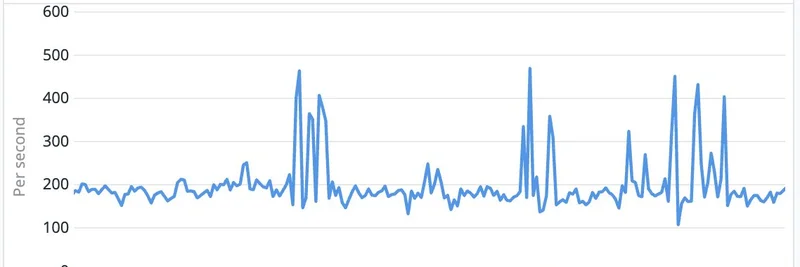
Base, the Layer-2 network built by Coinbase, has been making waves in the crypto world, and a recent thread from @0xBoneyBoi sheds light on its impressive scaling achievements. Just recently, Base doubled its capacity in a mere 30 days, as detailed in their blog post. With fees dropping and transactions per second (TPS—a measure of how many transactions the network can handle every second) on the rise, the platform is showing healthy growth. But what really put this to the test? The launch of the $JESSE meme token, which caused a massive surge in activity.
For those new to the scene, $JESSE is a memecoin launched on Base by Jesse Pollak, the head of the network himself. It's described as a personal creator token that's shaping Base's on-chain culture, but like many meme tokens, it quickly attracted hype, bots, and traders. According to reports, the launch even saw bots snagging over $1.3 million in profits, while sparking some criticism about timing and high fees. This frenzy highlighted Base's gas market dynamics—gas being the fee unit for transactions on Ethereum-based networks.
Base is currently set up with a 300 million gas limit per block, a 60 million gas target (that's about 20% of the limit), and 5x elasticity. This configuration ensures two key things: predictable low fees during regular use and the ability to handle sudden spikes without crashing. When demand surges beyond the target, the base fee (the minimum fee per gas unit) increases to manage the load, following the rules of EIP-1559, Ethereum's fee mechanism designed to make fees more predictable.
During the $JESSE launch, TPS jumped from an average of 200 to around 500. That's a huge spike!
This led to some blocks hitting the full 300 million gas limit, as shown in this snapshot of block data.
But thanks to EIP-1559, fees rose temporarily to prioritize transactions, then settled back down as blocks returned to the gas target. It's a smart way to avoid backlogs on Ethereum's Layer-1 (L1), where Base posts its data for security.
One big question raised in the thread: Why not just max out every block at 300 million gas? The answer lies in data availability (DA)—the space on Ethereum L1 for rollups like Base to publish transaction batches. Each Ethereum block supports about 6 blobs (data chunks) of 128 kB each, totaling around 64 kB/s across all users. A normal 60 million gas block on Base compresses to 10-80 kB, but a maxed-out one could overflow a single blob, leading to saturation and skyrocketing fees if sustained.
The 300 million limit is for bursts, like during meme token launches or market events, not constant use. Running at full throttle all the time would just drive up costs due to DA limits. But good news: Upgrades like Pectra (which already boosted Base's gas target) and the upcoming Fusaka in December will expand blob space, allowing for higher sustainable capacity.
The thread also touches on why Base sticks with Ethereum's L1 DA instead of alternatives—it's all about security and decentralization. Ethereum's blob space is scaling, and Base is actively pushing for EIPs (Ethereum Improvement Proposals) to increase it further. As more space becomes available, Base plans to ramp up its gas target, aiming for sub-second, sub-cent transactions for everyone.
Looking ahead, ideas like a blob futures market could let rollups bid for guaranteed DA slices, making scaling even more predictable. The ultimate vision? No gas limits, infinite throughput, and zero fee volatility—with sub-second finality. Base is working on stack-wide improvements, from L1 EIPs to optimized execution, to make this happen.
For meme token enthusiasts, this means smoother launches and lower costs on Base, even during hype cycles like $JESSE. If you're into the latest on meme coins and blockchain tech, follow Build on Base for more updates. As the ecosystem evolves, launches like this aren't just fun—they're stress tests pushing the tech forward.