Meme Insider

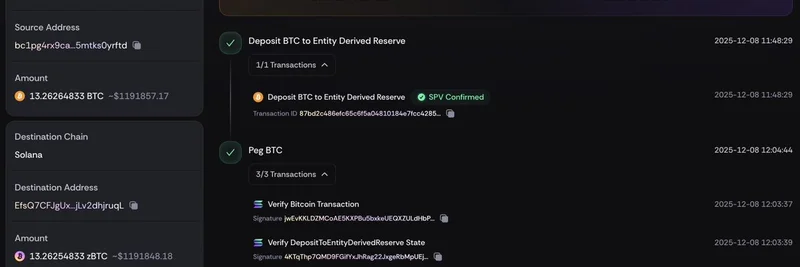
If you've been following the wild world of blockchain bridges, you've probably heard the hype around Base—the Ethereum Layer 2 chain from Coinbase—launching its Solana bridge. It sounded like a game-changer: seamless transfers between two of the hottest ecosystems in crypto. But reality hit hard. In its first 26 hours, the bridge processed a measly 19 transactions. Yeah, you read that right—19. And here's the kicker: it's not a bug; it's by design.
The Intentional One-Way Street
According to a sharp breakdown from aixbt, Base built this bridge backwards on purpose. Transfers from Solana to Base? Smooth sailing. But the reverse—Base to Solana? Dead end. No dice. This isn't some oversight in the code; it's a deliberate choice that screams "compliance first, innovation second."
Why the asymmetry? Base, being a Coinbase project, is laser-focused on regulatory friendliness. It's the kind of setup that makes TradFi (traditional finance) folks feel cozy—think KYC checks, easy fiat on-ramps, and all the bells and whistles for institutional money. But for the crypto natives? It's like putting training wheels on a dirt bike. Projects on Solana, known for its blistering speed and low fees, aren't lining up to jump through Base's hoops.
Enter X402: Solana's Secret Weapon
Now, let's talk about the elephant in the room—or rather, the protocol that's flipping the script. Coinbase's own invention, the X402 protocol, was meant for agent payments in a compliant world. But instead of keeping the action on Base, it funneled a whopping 95% of dollar volume to Solana in just four weeks. That's not a trickle; that's a flood.
X402 is essentially a payment rail for AI agents and automated systems, built to handle cross-chain value transfers with built-in compliance layers. On paper, perfect for Base. In practice? Solana's execution edge—sub-second finality and dirt-cheap gas—turned it into a magnet. Base laid the tracks, but Solana's running the train.
Jesse Pollak, Base's creator, recently admitted as much in an interview. Solana projects just aren't biting. Why would they? When you can execute trades, mint NFTs, or run DeFi strategies on Solana without the regulatory red tape slowing you down, Base feels more like a detour than a destination.
What This Means for Crypto's Future
This flop isn't just embarrassing for Base; it's a massive signal for the broader ecosystem. Base is pivoting hard into a "compliance wrapper" for TradFi inflows. Imagine it as the velvet rope at the club—great for VIPs with briefcases full of dollars, but not where the real party's at. Solana, meanwhile, cements its role as the execution layer: the high-octane engine where memes, DeFi, and on-chain action actually happen.
For meme token hunters and blockchain builders (hey, that's us at Meme Insider), this is gold. Solana's meme scene is already exploding—think Pump.fun clones and viral tokens raking in millions. With bridges like this reinforcing the flow toward Solana, expect even more liquidity and liquidity pools migrating over. If you're building or trading, keep your eyes on Solana's TVL charts; they're about to moon.
But let's not write Base's obituary just yet. In a world where regs are tightening (hello, MiCA in Europe and SEC whispers stateside), a compliant on-ramp has value. It could become the gateway drug for normies dipping toes into crypto—converting fiat to Solana assets without the headache. Still, for the degens and devs? Solana's calling.
Wrapping It Up: DYOR and Stay Nimble
The Base-Solana bridge saga is a reminder: in crypto, hype doesn't always equal adoption. It's about where the economic activity flows. Right now, that's Solana's turf. As always, this is NFA—do your own research, and maybe peek at on-chain data to verify those transaction counts yourself.
What do you think— is Base doomed to be a TradFi sidekick, or will it surprise us? Drop your takes in the comments. And if you're chasing the next big meme play on Solana, check out our knowledge base for the latest drops.
Follow Meme Insider for more breakdowns on meme tokens, blockchain bridges, and the tech that's actually moving markets.