 Meme Insider
In the fast-paced world of crypto, where meme tokens like BERA from Berachain capture the imagination of traders and investors alike, a recent scoop has stirred up quite the debate. A thread on X (formerly Twitter) by @ImperiumPaper breaks down a reported refund right granted to one of Berachain's key investors, suggesting it's not the shady deal some might think.
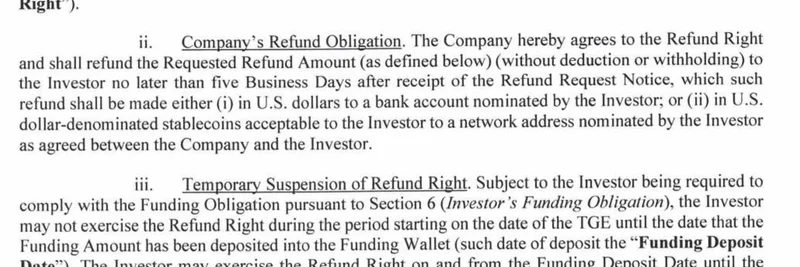
The story starts with a post from journalist Jack Kubinec at Unchained, revealing documents showing that Nova Digital—a fund under Brevan Howard Digital—secured a refund option on their $25 million investment in Berachain's Series B round. This right allows them to get their money back up to a year after BERA's token generation event (TGE), which is basically when the tokens are first issued and start trading publicly.
At first glance, this sounds unusual. Why would an investor in a hot meme-adjacent project like Berachain, known for its bear-themed ecosystem and DeFi innovations, get a safety net while others don't? According to the report, other Series B investors weren't even told about this clause, and legal experts called it rare for post-TGE refunds in VC deals.
But @ImperiumPaper argues there's more nuance here. They compare it to convertible debt—a common financial tool where a loan can turn into equity (or in this case, tokens) if certain conditions are met. If BERA pumps in value, the investor wins big. If it tanks, they can ask for their cash back. It's like having upside potential without full downside risk.
Why structure it as a token sale with refund rights instead of straight debt? From Berachain's side, it keeps their balance sheet cleaner. Debt shows up as a liability, which could complicate things like solvency checks or accounting for derivatives. Tokens, on the other hand, are treated more like a product sale. Berachain isn't borrowing money; they're selling future tokens with a generous return policy, similar to what big retailers offer.
Importantly, tokens aren't equity. In traditional stocks, investors in the same round expect equal treatment (pari passu, in finance lingo). But meme tokens like BERA don't come with ownership rights or fiduciary duties from the project to holders. You're buying a digital asset, not a share of the company. So, negotiating better terms—like shorter lockups or refund windows—isn't unheard of in crypto, especially for big players like Brevan Howard.
The thread points out that if this were equity, it might raise red flags about seniority in claims. But since it's tokens, it's more like haggling over veggies at a market— one buyer might score a better deal without the seller owing explanations to others.
Replies to the thread add layers to the discussion. Some users, like @WazzCrypto, see it as a sign of Berachain's confidence in their token's performance. Others, such as @mdudas, poke fun at the marketing angle, sharing screenshots that highlight how the round was pitched without mentioning the refund.
One commenter, @0xEricuuuh, notes that while not illegal, it changes how the round looks to later investors. And @TheSra0ne highlights the potential issue of non-disclosure to other backers.
There's also speculation on the specifics: Was the refund for the full $25 million or just a $5 million escrow portion? The documents aren't crystal clear, adding to the intrigue.
For meme token enthusiasts, this highlights the Wild West nature of crypto funding. Berachain, with its playful branding and Proof-of-Liquidity consensus, has built a cult following. But stories like this remind us to dig deeper into tokenomics—the economics behind tokens—including vesting schedules, investor perks, and market risks.
As BERA trades below its initial fully diluted valuation (FDV) of $1.5 billion, eyes are on whether Nova Digital exercises that refund by February 2026. Meanwhile, other investors like Framework Ventures are reportedly sitting on losses from secondary market buys.
In the end, this could just be innovative structuring to attract big money into meme-driven projects. But it underscores the importance of transparency in crypto, where hype often outpaces due diligence. If you're diving into meme tokens, always check the fine print—or in this case, the side letters.