 Meme Insider
In the fast-paced world of crypto, where meme tokens often steal the spotlight with their viral hype and community-driven pumps, underlying deals can sometimes reveal a more calculated side of the industry. A recent X thread by legal expert Gabriel Shapiro (@lex_node) has sparked intense discussion about Berachain, a blockchain project with strong meme vibes thanks to its bear-themed ecosystem and BERA token. Shapiro, a cyberpunk lawyer and founder of MetaLeX, shared his insights on a scoop from Unchained Podcast that exposes a unusual refund right granted to one of Berachain's key investors.
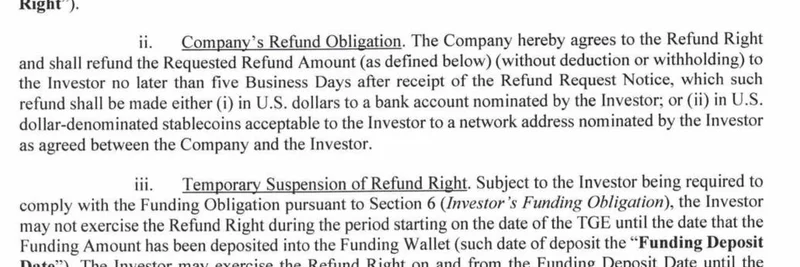
The thread quotes a report by journalist Jack Kubinec (@whosknave), who obtained documents showing that Nova Digital—a fund under Brevan Howard Digital—secured a refund option on its $25 million investment in Berachain's Series B round. This clause allows Nova to demand a full or partial refund up to a year after Berachain's token generation event (TGE), which is essentially the launch of the BERA token. For context, a TGE is when a project mints and distributes its native token, often marking the transition from private funding to public trading.
What makes this deal eyebrow-raising? As Shapiro points out in the thread, this setup is "one of the craziest things I've seen in crypto dealmaking." Typically, venture capital investments in crypto projects involve risk—investors bet on the token's future value, accepting potential losses if it underperforms. Here, Nova essentially got a risk-free bet: if BERA pumps, they win; if it dumps, they can just ask for their money back. Lawyers consulted in the report called it unusual, and two other Series B investors claimed they weren't informed about this special treatment.
Shapiro emphasizes his reluctance to criticize without full context, noting he hoped for an innocent explanation from Berachain. However, the project's response was a blanket denial, and Brevan Howard stayed silent. This lack of transparency fuels speculation in the meme token space, where trust and community sentiment drive value. Berachain, with its playful bear memes and ecosystem tokens like HONEY and BGT, positions itself as a fun, innovative Layer-1 chain. But deals like this could undermine that image, suggesting favoritism toward big-name investors at the expense of others.
Replies to the thread amplify the drama. One user, @ReidTymcio, calls it "no investment at all," implying it was just a way to boast a prestigious cap table to lure more funds. Another, @SmokeyTheBera—Berachain's mascot account—pushed back with a detailed response, claiming the report is incomplete and inaccurate. They explain the refund was for compliance reasons if the token didn't launch as liquid, and insist Nova remains a major holder. Yet, as BERA trades below the $1.5 billion fully diluted valuation (FDV) from the round, tensions are high.
Framework Ventures, the co-lead investor, reportedly bought $72.4 million worth of BERA at an average of $3.42, now facing over $50 million in paper losses. This highlights the volatility meme token enthusiasts know all too well—prices can swing wildly based on news like this.
For meme token holders and blockchain practitioners, this saga is a reminder to dig deeper into project funding. In a space cleaning up with more public sales and better structures, as Shapiro notes, transparency is key. If you're eyeing BERA or similar meme-inspired projects, watch how this unfolds—it could signal shifts in how VCs approach risk in the meme economy.
Check out the full thread on X for more reactions, and stay tuned to Meme Insider for updates on meme token trends and tech insights.