 Meme Insider
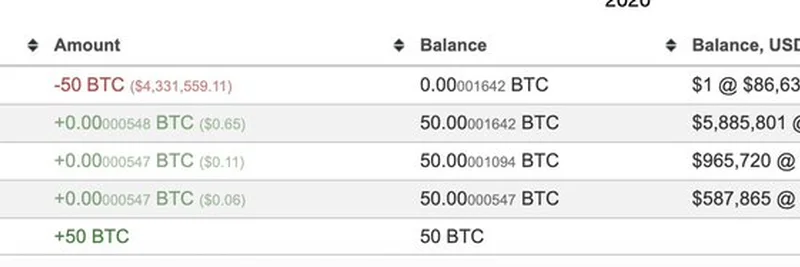
A wallet that hasn't stirred since the early days of Bitcoin just came back to life, sending shockwaves through the crypto community. According to on-chain analytics firm Lookonchain, a miner who earned 50 BTC back in March 2010—when Bitcoin was little more than a geeky experiment—finally transferred those coins out after 15.7 years of dormancy. At today's prices, that's a cool $4.33 million sliding into motion.
This isn't just any old transfer; it's a time capsule from Bitcoin's infancy popping open. Back in 2010, mining BTC meant running software on a basic desktop computer, often just to see if this new "digital gold" thing would catch on. The coins in question were minted on block 45711, timestamped March 18, 2010, at 9:02:55 AM UTC. Fast-forward to December 2, 2025, and the address 17uEQxSfy76bkuq2f3UTU2EGHoM6N3j9Pa lit up with activity.
Why does this matter? In the wild world of crypto, dormant wallets like this one are the stuff of legends. They remind us of Bitcoin's humble beginnings—when a single BTC was worth pennies, and holders were mostly cypherpunks dreaming of a decentralized future. This activation sparks all sorts of questions: Is the original miner cashing out after holding through bull runs and crashes? Did they pass away, and heirs just discovered the keys? Or is it a lost soul rediscovering a forgotten fortune?
Lookonchain, known for spotting whale moves before they hit the headlines, flagged this one in their latest X post. The thread quickly buzzed with reactions, from jokes about Satoshi Nakamoto's "alt account" to serious chats about tax implications for long-term holders. One user quipped it's the kind of event that makes security experts sweat, hinting at bigger shifts like quantum threats to old keys.
But let's break down the numbers. That 50 BTC haul from 2010? It was pure mining reward—no fiat spent, just electricity and curiosity. Today, with BTC hovering around $86,631 (as per the transfer's USD valuation), it's a windfall. Imagine the ROI: from near-zero value to millions. Yet, moving it now means potential capital gains taxes in many jurisdictions—though long holds can slash those rates. Pro tip for any ancient HODLers reading this: Consult a crypto tax whiz before you hit send.
This event ties into a broader trend of "Satoshi-era" wallets awakening. Over the years, we've seen similar dumps from 2010-2011 addresses, often flooding exchanges and nudging prices. But in 2025, with Bitcoin eyeing new all-time highs post-halving, this could signal fresh liquidity or just a savvy exit. For meme coin chasers and blockchain builders tuning into Meme Insider, it's a stark reminder: While DOGE and PEPE ride viral waves, BTC's bedrock story is about patience paying off—literally.
What happens next? Will these coins hit an exchange like Binance or Coinbase, or get custodied in a multisig vault? On-chain sleuths are already tracking the flow. If you're a practitioner diving into blockchain tech, tools like BitInfoCharts are gold for tracing these histories. And hey, if you've got a dusty hardware wallet from the Satoshi days, maybe it's time to dust it off—carefully.
In the end, stories like this fuel the fire of crypto's enduring appeal: Turn a corner, and history might just hand you a fortune. What's your take—HODL forever, or cash in the vintage sats? Drop your thoughts below, and stay tuned to Meme Insider for more on-chain intrigue blended with meme token madness.