 Meme Insider
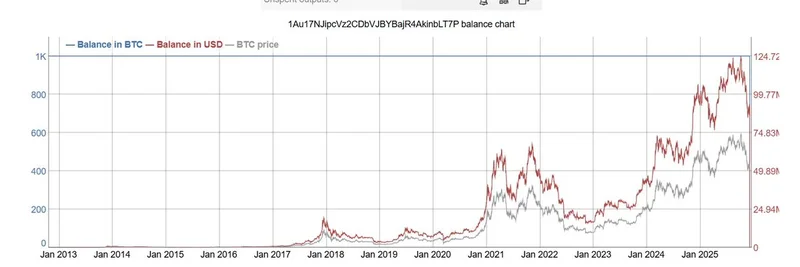
In the ever-evolving world of cryptocurrency, few events capture the imagination quite like the sudden awakening of long-dormant Bitcoin wallets. On December 6, 2025, the crypto community buzzed with speculation as two "OG" (original gangster) Bitcoin addresses, inactive for over 13 years, sprang to life. These wallets collectively transferred a staggering 2,000 BTC—valued at approximately $178.29 million at current prices—to fresh addresses. But what makes this move particularly fascinating? It's not just the sheer volume; it's the connection to Casascius physical Bitcoins, the tangible collectibles that bridged the digital and physical worlds in Bitcoin's nascent days.
The Ghosts of Bitcoin Past
Bitcoin's blockchain is a digital time capsule, preserving every transaction since the network's inception in 2009. Dormant wallets like these are relics from the early mining era, often belonging to pioneers who scooped up BTC when it was worth pennies. According to on-chain analytics shared by Onchain Lens, the two addresses in question are:
These addresses last saw activity back in 2012, during Bitcoin's toddler years when the price hovered around $10–$12 per coin. Fast-forward to today, and that initial haul has ballooned into a fortune, thanks to BTC's meteoric rise. The transfers occurred without any "dusting" (small test transactions), suggesting a deliberate and confident move by the owner.
What stands out in the transaction logs? Each wallet offloaded exactly 1,000 BTC in a single, clean sweep. No partial sells, no hedging—just a full migration to new, unknown addresses. On-chain sleuths note that these aren't your average HODLers; the precision hints at someone with deep familiarity with Bitcoin's quirks, possibly an early miner or collector safeguarding their stash.
Enter Casascius: Physical Bitcoin's Golden Age
The real plot twist? Onchain Lens links these funds to Casascius physical Bitcoins, a series of holographic coins minted by Mike Caldwell between 2011 and 2013. If you've ever wondered what Bitcoin would look like as a physical asset, Casascius delivered: tamper-evident coins embedded with private keys, redeemable for real BTC. They came in denominations from 0.1 BTC to a whopping 1,000 BTC—the exact size of these transfers.
Caldwell's creation was a hit among early adopters, blending the allure of precious metals with crypto's digital promise. Over 27,000 coins were produced before Caldwell halted operations in 2013 amid regulatory scrutiny from FinCEN, which classified them as money transmission. Today, unspent Casascius coins are unicorn-level rarities, fetching premiums far beyond their BTC value at auction houses like Heritage Auctions. A pristine 1,000 BTC Casascius? It could command six or seven figures in fiat.
This connection isn't mere speculation. The timing aligns perfectly: These wallets were funded around the peak of Casascius production, and the 1,000 BTC batches match the largest coin denomination. It's likely the owner redeemed a pair of these physical behemoths, perhaps to consolidate holdings or prepare for a big play in today's bull market.
Why Now? Theories and Market Ripples
So, why dust off these digital dinosaurs after more than a decade? The crypto grapevine is abuzz with theories:
- Estate Settlement: Early Bitcoin whales often passed without clear succession plans. This could be heirs cashing in on grandma's garage find.
- Strategic Sell-Off: With BTC flirting with all-time highs, it might signal profit-taking. But moving to new wallets suggests holding, not dumping—perhaps a rotation into DeFi or privacy-focused chains.
- Collector Reunion: If these are indeed Casascius redemptions, it could mark the end of an era for physical BTC, as owners digitize their treasures for security.
Whatever the motive, the move underscores Bitcoin's enduring value proposition. That $178 million windfall represents a mind-boggling 89,000%+ return from 2012 prices— a testament to Satoshi's vision and the network's unshakeable scarcity.
From a market perspective, watch for secondary effects. Large transfers like this can spook short-term traders, but history shows OG movements rarely trigger dumps. Instead, they often reignite nostalgia, drawing newbies to Bitcoin's origin story.
Lessons for Modern Meme Token Hunters
At Meme Insider, we live at the intersection of viral tokens and blockchain lore. While meme coins like DOGE or PEPE thrive on hype, this Casascius saga reminds us: True alpha lies in understanding crypto's roots. Early Bitcoin wasn't about memes—it was about revolutionizing money. Yet, today's meme ecosystem borrows that same rebellious spirit, turning cultural quirks into million-dollar narratives.
If you're a blockchain practitioner eyeing the next big thing, take a page from these OGs: HODL with conviction, but stay nimble. Tools like BitInfoCharts can help you track whale moves, spotting patterns before they hit the headlines. And who knows? Your next meme token deep dive might uncover a gem as timeless as a Casascius coin.
What do you think—is this the calm before a BTC storm, or just an old-timer cashing a check? Drop your takes in the comments, and subscribe for more on-chain mysteries decoded.