 Meme Insider
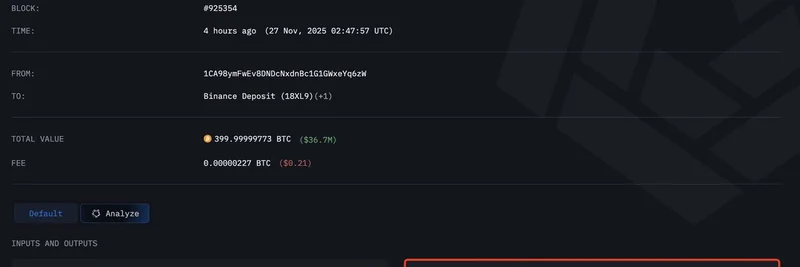
In the fast-paced world of cryptocurrency, stories of massive gains from patient holding—often called "HODLing"—never fail to inspire. Recently, a tweet from crypto analyst Mr. Whale highlighted one such tale: a Bitcoin whale who just moved 200 BTC to an exchange after nearly three years of inactivity, pocketing a cool $18.35 million in the process.
Let's break it down. Back on April 1, 2023, when Bitcoin was trading around $28,432, this investor scooped up 400 BTC from the OKX exchange for about $11.37 million. Fast forward to today, with BTC hovering at much higher levels, they transferred 200 BTC to Binance, valued at $18.35 million. The remaining holdings? Still worth a fortune, pushing their total unrealized and realized gains beyond $25 million.
This isn't just a Bitcoin story—it's a masterclass in endurance that resonates deeply in the meme token ecosystem. Meme coins, like Dogecoin or newer entrants such as PEPE or WIF, thrive on hype, community, and sometimes sheer luck. But volatility is their middle name; prices can skyrocket overnight or crash just as fast. So, what can meme token enthusiasts learn from this whale's playbook?
The Power of HODLing in Volatile Markets
HODL, a term born from a misspelled "hold" in a 2013 Bitcoin forum post, means sticking with your investments through ups and downs. For this whale, it meant ignoring market dips, regulatory news, and even the temptation to sell during peaks. In meme tokens, where FOMO (fear of missing out) and FUD (fear, uncertainty, doubt) run rampant, adopting a HODL mindset can separate diamond hands from paper hands—those who sell at the first sign of trouble.
Think about it: many meme coins start as jokes but evolve into cultural phenomena. If you'd HODLed SHIB during its early days, you'd be sitting on life-changing gains today. The key? Research the project's community strength, tokenomics (how the supply and distribution work), and real-world utility before diving in.
Risks and Realities for Meme Token Holders
Of course, not every HODL ends in riches. Meme tokens are riskier than blue-chip cryptos like Bitcoin. Rug pulls—where developers abandon a project and run off with funds—or pump-and-dump schemes are common pitfalls. This whale's success came from a established asset like BTC, which has proven resilience over a decade.
For meme investors, diversify your portfolio. Don't put all your eggs in one basket; mix in some stablecoins or established alts. Set clear goals: are you in for quick flips or long-term growth? Tools like on-chain analytics (similar to the screenshots in the tweet) can help track whale movements in meme tokens too, giving clues about potential pumps.
Applying Whale Wisdom to Your Meme Strategy
Inspired by this story? Start by building a knowledge base. Follow reliable sources like Mr. Whale on X for insights. Use platforms like DexScreener or CoinMarketCap to monitor meme token metrics. And remember, patience pays— but only if you're informed.
In the end, holders often win, as this whale proves. Whether you're stacking sats in Bitcoin or betting on the next viral meme, the lesson is clear: stay the course, but always DYOR (do your own research). What's your biggest HODL win so far? Share in the comments below!