 Meme Insider
If you've been following the wild world of meme tokens and blockchain projects, you've probably heard of Berachain. This bear-themed layer-1 blockchain started as an NFT project back in 2021 and has since grown into a full-fledged ecosystem with its native token, $BERA. But recently, a bombshell investigation by Unchained Crypto revealed something straight out of a crypto thriller: a secret refund right given to one major investor while others are left holding the bag.
Let's break it down step by step, keeping things simple for anyone new to these terms.
The Berachain Backstory
Berachain isn't your average blockchain—it's infused with meme culture, featuring bear puns and a fun, community-driven vibe. It raised over $142 million in venture capital, hitting a $1.5 billion valuation in its Series B round. Big names like Framework Ventures, Polychain, Hack VC, and Arrington Capital jumped in. One co-lead was Nova Digital, part of the hedge fund giant Brevan Howard, which ponied up $25 million for $BERA tokens at $3 each.
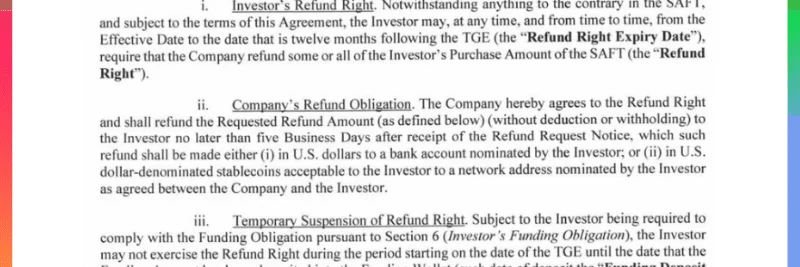
But here's where it gets interesting: Nova got a special side letter—a separate agreement attached to the main deal—dated March 5, 2024. This gave them the right to demand a full $25 million refund up to one year after Berachain's token generation event (TGE), which happened on February 6, 2025. So, they've got until February 6, 2026, to pull the plug if things go south.
To activate this, Nova had to deposit $5 million into a Berachain wallet within 30 days of the TGE. If they exercise the refund, they'd likely forfeit their tokens, but their principal investment stays safe. In crypto terms, this is like having a "get out of jail free" card while everyone else risks it all.
Why This Clause Is a Big Deal
Crypto lawyers interviewed in the Unchained article called this post-TGE refund right "highly unusual." Gabriel Shapiro from MetaLeX Labs, who's handled over 50 token deals, said he's never seen anything like it. Typically, refunds are only for if the project fails to launch, not because the token price drops.
Quote from Shapiro: "The most plausible reason a company would enter into an agreement with a lead investor where the lead investor has a complete, unconditional right to request a full refund of all invested amounts is because, by virtue of … being able to tell other investors … that this is the lead investor in the round, it would make them more likely themselves to invest or to trust the security of the chain."
In plain English, Berachain might have given Nova this sweet deal to attract other investors by name-dropping Brevan Howard. But they didn't tell the others about it, according to anonymous Series B investors. This lack of transparency could violate securities laws, like the SEC's Regulation D, which requires disclosing material info to avoid misleading investors.
Plus, there's the Most Favored Nation (MFN) clause—a common term that lets earlier investors claim the same perks as later ones. If one investor had an MFN, this refund right might trigger it for others, potentially forcing Berachain to offer refunds across the board.
Impact on Other Investors and the Meme Token Space
Right now, $BERA is trading at about $1.02, down 66% from the $3 investment price. That means investors like Framework Ventures are sitting on massive unrealized losses—over $50 million in their case. If Nova cashes out its refund, Berachain would have to cough up $25 million in cash, which could strain the project's resources.
For meme token enthusiasts, this highlights a harsh reality: behind the fun memes and community hype, big VC deals can be rigged in favor of the whales. Berachain's co-founder Smokey the Bera (yes, that's a pseudonym) admitted to mistakes like too many VC token sales, but the project is pushing forward with new partnerships, like a $110 million private placement for Greenlane Holdings to buy BERA.
Still, the network has faced issues: a halt due to a bug, app migrations to other chains, and declining community engagement. It's a reminder that even meme-inspired projects aren't immune to the cutthroat side of crypto funding.
What This Means for You as a Meme Token Investor
If you're diving into meme tokens like $BERA or similar projects, always dig into the funding details. Look for transparency in how VCs are treated—side letters and hidden clauses can erode trust and tank prices. Berachain's story shows how one secret deal can ripple through the ecosystem, affecting everyone from retail holders to other VCs.
Stay tuned to Meme Insider for more breakdowns on meme token drama. If you've got thoughts on this, drop them in the comments—what do you think about these hidden investor perks?