 Meme Insider
Ever heard of a blockchain glitch turning into an FBI case? That's exactly what happened with Cardano recently. Let's break down this wild story step by step, from a sneaky bug to federal agents getting involved. If you're into crypto, especially meme tokens on platforms like Cardano, this highlights why network security matters big time.
The Hidden Bug in Cardano's Code
It all started with a deserialization flaw lurking in Cardano's core code since 2022. Deserialization is basically the process of converting data back into its original form after it's been transmitted or stored. This bug allowed for a malformed delegation transaction—think of delegation as assigning your staking power to a pool without moving your coins—with an oversized hash. A hash is like a digital fingerprint for data.
The issue? Newer nodes (the computers running the network) would accept this weird transaction, but older legacy nodes would reject it. This mismatch could cause a chain split, where the blockchain forks into two versions, confusing everyone and everything connected to it.
The Attack Goes Live
On November 21, 2025, around 8:00 UTC, the exploit hit the mainnet. A specially crafted delegation transaction was broadcast, splitting the network. About 30-40% of nodes ended up on a "poisoned" chain, while the majority stayed on the healthy one.
The fallout was immediate:
- Wallets and decentralized apps (dApps) on the bad side stopped working.
- Stake pool operators missed out on block rewards—those are the incentives for securing the network.
- Big exchanges like Binance halted ADA deposits and withdrawals to avoid chaos.
This wasn't just a minor hiccup; it disrupted real users and operations.
Meet the Attacker: Homer J
The person behind it? A user going by "Homer J." They claimed it was a personal challenge, not malice. Interestingly, they said AI helped recreate the faulty transaction. They'd even tested similar stuff on Cardano's Preview testnet before going live.
While Homer J framed it as a solo adventure, there were whispers of activity in an anti-IOHK (Input Output Hong Kong, Cardano's development company) Discord group called "Fake Fred."
Charles Hoskinson's Response
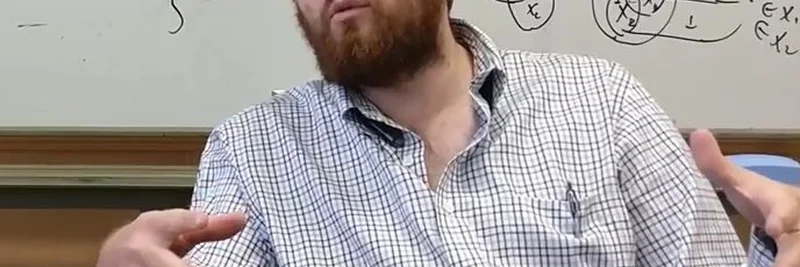
Cardano's founder, Charles Hoskinson, didn't take it lightly. He called it a deliberate cyber attack and reached out directly to the FBI. Hoskinson has a knack for dramatic flair, but in this case, it led to an official investigation.
The FBI confirmed they're looking into it as a potential federal cybercrime. This might be one of the first times a proof-of-stake (PoS) network disruption—PoS is Cardano's consensus mechanism where validators are chosen based on staked coins—has escalated to law enforcement.
Recovery and Aftermath
The Cardano team acted fast. They rolled out emergency hotfixes in versions 10.5.2 and 10.5.3. Stake pool operators updated their nodes in a hurry, and the chains converged back to one within 24 hours. Crisis averted, but not without some sweat.
This event underscores vulnerabilities in even established blockchains. For meme token enthusiasts, remember that many memes run on PoS chains like Cardano or similar. A split like this could tank prices or halt trading—something to watch if you're building or investing in the space.
If you're curious about more blockchain dramas or how to safeguard your meme projects, stick around Meme Insider for the latest scoops. What do you think—was this a harmless test or something more sinister? Drop your thoughts below.
For the original thread, check it out here.
