Meme Insider

In the ever-evolving world of cryptocurrency, where innovation often dances on the edge of regulation, a recent push from a Wall Street giant has sent ripples through the DeFi community. Citadel Securities, the high-frequency trading powerhouse known for its role in traditional markets, has urged the U.S. Securities and Exchange Commission (SEC) to clamp down on decentralized finance (DeFi) protocols dealing with tokenized securities. This isn't just regulatory chatter—it's a signal that could redefine how meme tokens, stablecoins, and other blockchain-based assets interact with legacy finance.
The Core of Citadel's Argument
At its heart, Citadel's letter to the SEC highlights concerns over "unregistered broker-dealers" operating in DeFi spaces. These are platforms or smart contracts that facilitate the trading of assets tokenized on blockchains—think real-world assets like stocks or bonds represented as digital tokens on networks like Ethereum or Binance Smart Chain. According to Citadel, without stricter oversight, these setups pose risks to investors, including potential fraud, market manipulation, and inadequate disclosures.
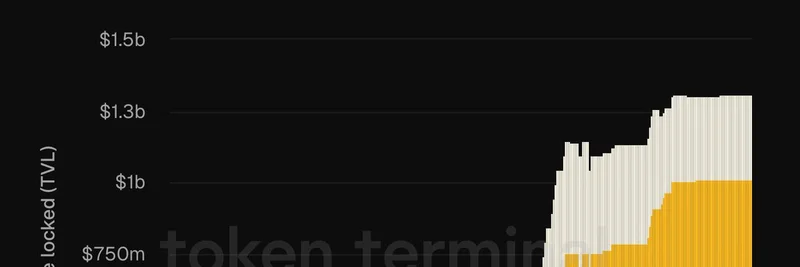
For those new to the space, tokenized securities are essentially digital wrappers around traditional financial instruments. They promise liquidity and accessibility but blur the lines between regulated securities and the wild west of crypto. Citadel argues that current rules don't go far enough, especially as DeFi total value locked (TVL) surges past $100 billion, drawing in retail traders chasing the next big meme coin pump.
Why This Matters for Meme Tokens and Everyday Crypto Users
Meme tokens—like Dogecoin, PEPE, or the latest viral sensations on Solana—might seem worlds away from stodgy securities. But the overlap is growing. Many meme projects now incorporate yield farming, staking, or even tokenized real estate as gimmicks to boost hype. If the SEC heeds Citadel's call, we could see:
- Broader Enforcement: Platforms hosting tokenized assets might need to register as broker-dealers, hiking compliance costs and potentially sidelining smaller DeFi innovators.
- Innovation Chill: Stricter rules could slow the tokenization boom, affecting meme ecosystems that rely on DeFi liquidity pools for trading and airdrops.
- Investor Protection vs. Freedom: On the flip side, clearer guidelines might weed out rug pulls and scams, making the space safer for newcomers dipping into meme token flips.
Imagine a world where your favorite Shiba Inu-inspired token integrates a tokenized stock yield—exciting, right? But without rules, it's a regulatory minefield. Citadel's move underscores a tension: Wall Street wants a seat at the crypto table, but on its terms.
Broader Implications for Blockchain Practitioners
For developers and traders building on chains like BNB Smart Chain, this is a wake-up call. Tokenization isn't just a buzzword; it's the bridge to trillions in traditional assets. Yet, as DeFi protocols evolve, expect more scrutiny. Citadel isn't alone—other firms like BlackRock have dipped toes into Bitcoin ETFs, signaling institutional hunger for regulated crypto entry points.
At Meme Insider, we're tracking how these shifts ripple into meme culture. Will tighter rules stifle the chaotic creativity of dog-themed tokens, or force them to mature? One thing's clear: the meme coin meta is adapting, with projects like WIF on Solana already experimenting with compliant structures.
What's Next in the Regulatory Arena?
The SEC's response could take months, but history suggests action follows big voices like Citadel's. Keep an eye on upcoming comment periods and enforcement actions—tools like Etherscan can help monitor tokenized flows in real-time.
In the meantime, savvy traders: Diversify beyond pure memes into hybrid DeFi plays, but always DYOR. The fusion of TradFi and crypto is here, and it's tokenizing everything in sight. Stay tuned to Meme Insider for the latest on how this plays out for your portfolio.
What do you think—protection or overreach? Drop your takes in the comments below.