 Meme Insider
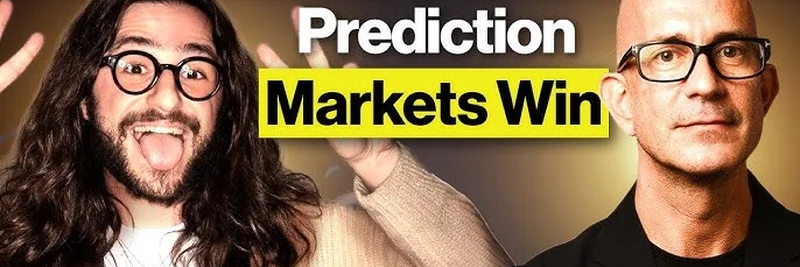
In the ever-evolving world of blockchain and crypto, meme coins have become a staple for quick gains and community-driven hype. But what happens when we throw creator tokens into the mix? According to Farokh Sarmad, co-founder of Rug Radio, they're not all that different—and maybe not worth the hassle compared to platforms like Pump.fun.
Sarmad shared his thoughts in a recent clip from The Rollup podcast, posted on X (formerly Twitter). In the video, he draws parallels between creator tokens and past experiments like BitClout and Friend.tech, pointing out how these attempts to "tokenize people" often fizzle out.
The Expiration Date Dilemma
Creator tokens are essentially digital assets tied to a person's brand or content creation. Think of them as a way for fans to invest in their favorite influencers, potentially earning rewards or access. However, Sarmad argues they come with a built-in shelf life.
"Dude, how many times have we tried to tokenize people over the last... Remember BitClout? ... Friend.tech... Now you're seeing a lot of different ones," Sarmad says in the clip. He emphasizes that creators come and go, and once the hype dies down, so does the token's value.
He compares this to meme coins, which are often launched on platforms like Pump.fun—a Solana-based tool that makes it easy to create and trade meme tokens. Meme coins thrive on viral trends, community engagement, and sometimes sheer absurdity (looking at you, Dogecoin). But unlike creator tokens, which rely on one person's ongoing relevance, meme coins can evolve with the crowd.
Sarmad's key takeaway? "These creator tokens just have an expiration date. In that sense, they're not much better than meme coins. And by the way, if I'm going to trade creator tokens, I'd rather just own Pump."
Why Pump.fun Stands Out
Pump.fun has exploded in popularity as a launchpad for meme coins on Solana. It lowers the barriers to entry, allowing anyone to create a token with minimal effort. This democratizes meme coin creation, leading to a flood of new projects—some hits, many misses.
For Sarmad, owning a stake in the platform itself (via its native token) makes more sense than betting on individual creator tokens. Why? Platforms like Pump.fun capture value from the entire ecosystem, not just one creator's fleeting fame. As long as people keep launching and trading meme coins, Pump.fun benefits.
This aligns with broader trends in blockchain: shifting from speculative individual assets to infrastructure plays. Meme coins might pump and dump, but the tools enabling them can provide more sustainable exposure.
Community Reactions and Broader Implications
The tweet sparked discussions in the replies. One user from @phi_xyz agreed but suggested better incentive designs could fix creator tokens: "What if creators earned without selling, fans earned without flipping..." Others echoed Sarmad's skepticism, calling creator tokens "aging like milk."
For meme token enthusiasts, this highlights a crucial point: sustainability. While meme coins are fun and can yield massive returns (remember PEPE or WIF?), they're volatile. Tying them to creators adds another layer of risk—human unpredictability.
If you're new to this, meme coins are cryptocurrencies inspired by internet memes, often starting as jokes but gaining real value through community support. Creator tokens, on the other hand, are more like fan clubs on the blockchain, offering perks like exclusive content.
Key Takeaways for Blockchain Practitioners
- Diversify Your Bets: Instead of chasing individual tokens, consider platforms that power the ecosystem, like Pump.fun on Solana.
- Understand Expiration Risks: Both meme coins and creator tokens can lose steam quickly. Look for projects with strong communities and real utility.
- Historical Context Matters: Learn from past failures like BitClout to spot patterns in new trends.
As the meme token space grows, insights like Sarmad's help separate the hype from the substance. Whether you're trading meme coins or exploring creator economies, always do your own research and stay informed.
For the full context, check out the original thread on X. What's your take—do creator tokens have a future, or are they just dressed-up meme coins?