 Meme Insider
Ever feel like crypto is just one big, high-stakes casino? You're not wrong. From its earliest days, cryptocurrency has been intertwined with gambling, fueling innovation, hype, and inevitable crashes. A recent thread by StarPlatinum on X nails this perfectly, tracing the wild ride from Bitcoin poker tables to Solana's memecoin slot machines. As someone who's covered the crypto beat from the front lines, let's unpack this history—and why it matters for anyone chasing the next big play in blockchain.
The Bitcoin Betting Boom (2009–2012): Where It All Began
Bitcoin didn't launch with a killer app. It was more like a digital curiosity, a peer-to-peer electronic cash system dreamed up by the mysterious Satoshi Nakamoto. But early adopters? They found a use case fast: gambling.
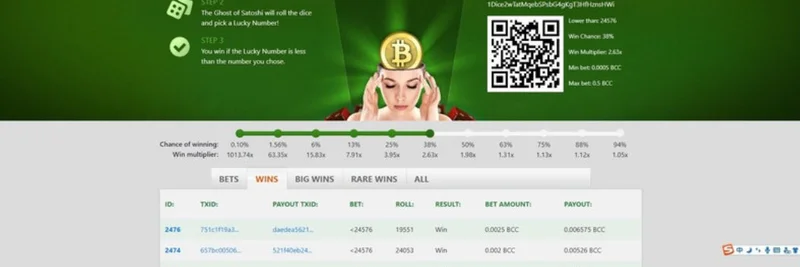
Sites like Seals With Clubs, one of the first Bitcoin poker platforms, popped up around 2011. Players wagered sats (the smallest Bitcoin unit) on hands of Texas Hold'em, and the site reportedly paid out over 110,000 BTC in winnings—back when that was worth peanuts compared to today's prices. Then came Satoshi Dice in 2012, a simple dice-rolling game where you'd send BTC to an address, pick a number, and let the blockchain decide your fate.
What made it huge? At its peak, Satoshi Dice accounted for 50-60% of all Bitcoin transactions. Yeah, you read that right—half the network's activity was people rolling virtual dice for digital gold. It proved crypto could handle real-world (or at least fun-world) utility, but it also set the tone: high risk, high reward, and a whole lot of luck.
Ethereum's Smart Contract Gambles (2015–2017): Ponzis Go On-Chain
Fast-forward to 2015: Ethereum drops, bringing smart contracts to the party. Suddenly, you could code trustless games and schemes right on the blockchain. The first viral hit? King of the Ether Throne, a clever Ponzi where players paid ETH to dethrone the "king" and claim the pot. One payout reportedly topped 96 ETH—life-changing money in those days.
But it wasn't all smooth sails. Early Ethereum had bugs, like issues with the .send() function that let hackers drain contracts. Platforms like Etheroll refined the dice model, raising thousands in ETH while teaching devs (the hard way) about secure coding. These weren't just games; they were experiments in decentralized finance's wild west, blending code with casino vibes.
The ICO Lottery (2017–2018): Hype Meets the House Edge
By 2017, crypto was in full fever dream mode. Initial Coin Offerings (ICOs) turned fundraising into a global lottery. Over 875 projects launched that year alone, sucking in $13-14 billion from eager investors. It was easy: Whitepaper, token sale, moonshots promised.
Reality check? Studies later pegged 78-81% of ICOs as scams or zombie projects that went nowhere. The poster child for the fallout: Bitconnect, a $2.6 billion Ponzi that lured folks with insane "guaranteed" returns before imploding in 2018. Sound familiar? It's the same FOMO-fueled rush that powers every bull market, just rebranded as "disruption."
DeFi's APY Slot Machines (2019–2021): Yield Farming Frenzy
Enter DeFi, the "decentralized finance" revolution that promised banks without the bankers. Total Value Locked (TVL) exploded from $300 million to a peak of $180 billion. Protocols like Compound, Aave, Curve, SushiSwap, and Yearn.finance dominated, offering Annual Percentage Yields (APYs) that hit 100% to 1,000%—fueled by token incentives and liquidity mining.
It felt like free money: Stake your assets, farm rewards, compound gains. But peel back the layers, and it was a high-speed casino. Impermanent loss, flash loan exploits, and rug pulls kept the edge with the house (or the hackers). DeFi turned crypto into a 24/7 trading floor where yield chasers rolled the dice on overleveraged positions.
NFT Season (2021–2022): Collectibles or Collectible Hype?
Non-Fungible Tokens (NFTs) flipped the script in 2021, with $25 billion in sales. Blue-chip collections like Bored Ape Yacht Club (BAYC) saw floor prices soar to $420,000 per ape, while CryptoPunks hit $477,000. It was the ultimate status gamble: Mint cheap, flip for Lambos.
The catch? Over 99% of NFT projects cratered to zero post-hype. Speculation drove the market, not utility. Remember the metaverse land rushes or celebrity drops? Pure adrenaline bets, leaving most holders with pixelated regrets.
Solana Memecoins and Pump.fun (2023–2025): The Ultimate Meme Casino
Now we're in the memecoin era, turbocharged by Solana's speed and low fees. Enter Pump.fun, the $3 token launcher that's birthed over 11.9 million memes since 2023. Bonding curves let tokens rocket from zero to millions in hours—think dogwifhat (WIF), BONK, POPCAT, FARTCOIN, and even TRUMP hitting billion-dollar caps.
PumpSwap alone clocked $15 billion in volume, and the PUMP token airdrop raised $1.3 billion in minutes. It's gambling distilled: Create, pump, dump. No fundamentals, just vibes and virality. Solana's ecosystem turned crypto into TikTok for traders, where a funny cat video could 100x your bag overnight.
The More Things Change... Crypto's Eternal Casino Cycle
StarPlatinum sums it up: Every cycle follows the script. New tech emerges (Bitcoin, Ethereum, DeFi, etc.) → Early insiders win big → Retail piles in on FOMO → Rinse, repeat, collapse. Different flavors—dice rolls, Ponzi thrones, ICO tickets, yield farms, JPEG flips, meme launches—but the house always takes a cut via fees, slips, or straight-up volatility.
This isn't a bug; it's the feature that bootstrapped crypto. Gambling gave it liquidity, users, and proof-of-concept when no one else cared. But as adoption grows, we're seeing glimmers of maturity: Real-world assets (RWAs), prediction markets like Kalshi, and utility-driven chains. Will we outgrow the casino? Maybe. Until then, play smart—know the odds, set limits, and remember: In crypto, the only sure bet is that there are no sure bets.
What’s your take? Ever struck gold on a memecoin pump or gotten rekt on an ICO? Drop your stories in the comments. And hey, if you're feeling lucky, check out YEET—they're tossing $100 daily via referrals. Just don't say I didn't warn you about the house edge.
This article draws from historical crypto trends and the insightful thread by @StarPlatinum_. For more on meme tokens and blockchain deep dives, subscribe to Meme Insider.