 Meme Insider
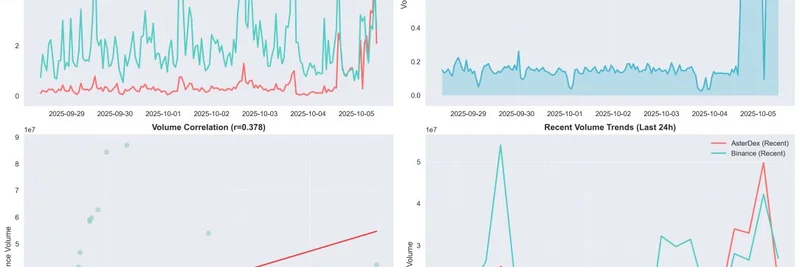
In the fast-paced world of decentralized finance (DeFi), transparency is key, especially when it comes to trading volumes. Recently, a thread from 0xngmi, a key figure at DefiLlama, highlighted some concerning patterns in Aster DEX's perpetual futures (perps) volumes. If you're into meme tokens, you know perps are a big deal for leveraged trading on volatile assets. But what happens when those volumes look a little too perfect? Let's break it down.
The Suspicious Volume Patterns
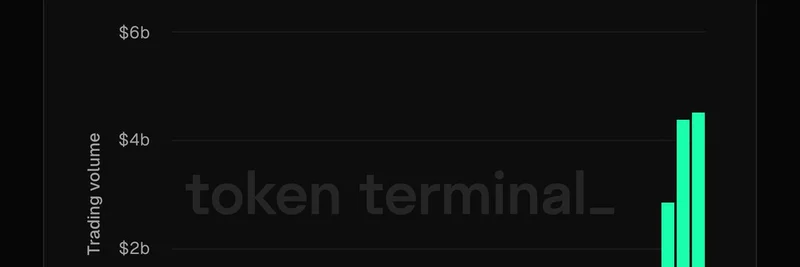
0xngmi shared charts showing how Aster's XRPUSDT perp volumes are almost identical to those on Binance, a major centralized exchange. The volume ratio hovers right around 1, meaning they're mirroring each other tick for tick. This kind of perfect correlation isn't normal in organic trading—it's a classic sign of potential wash trading.
Wash trading, for those new to the term, is when traders (or bots) buy and sell the same asset back and forth to inflate volume figures artificially. It makes a platform look busier than it is, which can mislead investors and skew market data.
In contrast, Hyperliquid—a popular perp DEX often used for meme token trading—shows some natural decorrelation in its volumes. This suggests more genuine activity, where trades aren't just echoing another exchange.
Extending to Other Assets Like ETH
The issue isn't isolated to XRP. For ETH and other pairs, the patterns are even more pronounced on Aster. Here's another set of charts from the thread illustrating the extreme correlation:
Aster doesn't provide granular data like who’s placing and filling orders, making it hard to verify if this is legit or manipulated. Without that transparency, DefiLlama is taking a stand: they're delisting Aster's perp volumes until better data is available.
Why This Matters for Meme Token Enthusiasts
Meme tokens thrive on hype and volume, often traded via perps on platforms like Hyperliquid or even centralized spots like Binance. If a DEX like Aster is pumping fake volumes, it could distort the overall picture of meme token liquidity and popularity. For blockchain practitioners, this is a reminder to dig deeper into data sources. Tools like DefiLlama help cut through the noise, ensuring you're basing decisions on real metrics.
This move by DefiLlama underscores their commitment to accuracy over convenience. As 0xngmi put it, they'd "rather be right than make money." If you're tracking meme perps, keep an eye on reliable aggregators and cross-check volumes across exchanges.
For the full details, check out the original thread on X. What do you think— is this a crackdown on shady practices or just overly cautious? Share your thoughts in the comments!