Meme Insider
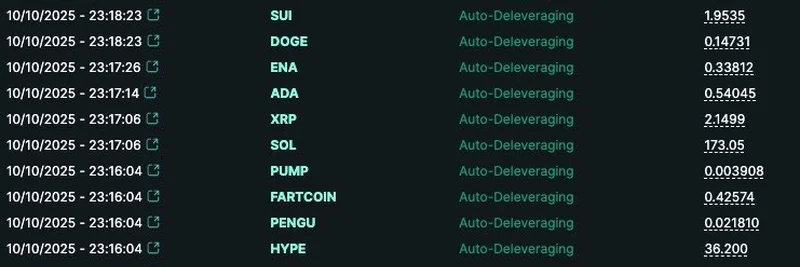
If you've been trading crypto perps lately, especially on Hyperliquid, you might have woken up to a nasty surprise: your position closed out due to something called "auto-deleveraging" or ADL. Don't worry if that sounds like jargon—it's a key mechanism in perpetual futures markets that keeps things balanced during wild price swings. In this article, we'll break it down step by step, with a focus on how it plays out in the volatile world of meme tokens. We'll draw from a recent thread by Doug Colkitt (@0xdoug) that's been making waves, as highlighted by MartyParty (@martypartymusic).
Perpetual futures, or perps, are derivative contracts that let you bet on the price of an asset like Bitcoin or a meme token without owning it. Unlike traditional futures, they don't expire, making them popular for leveraged trading. But here's the catch: these markets aren't backed by the actual assets. As Doug explains, there's no real Bitcoin or Solana in the system—it's all synthetic, built on a pile of cash (usually USDC or similar) that's shuffled between longs (betting on price up) and shorts (betting on price down).
Why Balance Matters in Perps
The golden rule? Longs must always balance shorts. If the price moves sharply—say, a meme token like Fartcoin pumps 10x overnight—some traders get liquidated when their margin runs out. Liquidation means your position is closed to prevent further losses. Normally, this happens via the order book: a liquidated long gets sold to a new buyer, refilling the cash pile.
But in extreme volatility, common with meme tokens, the order book might not have enough liquidity. That's where the insurance fund (or vault) steps in. On Hyperliquid, this vault absorbs risky liquidations and often profits from them. In a recent event, it reportedly made $40 million in an hour!
When ADL Kicks In: The Last Resort
If even the vault can't handle it, we hit ADL. This forces profitable positions on the winning side to close out, balancing the system without new capital. It's like an overbooked flight where volunteers get bumped first, but if none step up, someone gets kicked off. Exchanges rank positions by profit, leverage, and size—big whales often go first.
Doug compares it to a hot streak in poker: you win big until the table runs out of chips. ADL ensures the system stays solvent overall, as perps are zero-sum games. No value is created or destroyed; it's just redistributed.
Hyperliquid's Twist and Meme Token Risks
Hyperliquid, a decentralized perp exchange on its own blockchain, has gained traction for listing spot and perps on trendy assets, including meme tokens like Fartcoin, Pump, and Bonk. But as MartyParty points out, everything except the native $HYPE token is synthetic. Your "assets" are in wallets controlled by the team, adding a layer of counterparty risk.
This setup shines in liquid markets but falters in chaos. Meme tokens, driven by hype and community frenzy, see massive swings—perfect for triggering ADL. Traders chasing 100x leverage on a viral coin might find themselves deleveraged when the market turns.
Tips for Meme Token Traders to Avoid ADL Pitfalls
To navigate this, keep leverage low—stick to 5-10x max for volatile memes. Monitor funding rates and open interest on platforms like Hyperliquid. Diversify beyond perps; consider spot trading where you hold actual tokens. And always remember: in crypto, especially memes, volatility is the name of the game.
Events like this remind us why understanding the mechanics behind the trades is crucial. Whether you're in it for the laughs or the gains, staying informed can save your portfolio. For more on meme token strategies and blockchain insights, check out our knowledge base at Meme Insider.