 Meme Insider
Ethereum's ecosystem is buzzing with activity, and a recent tweet from prominent Ethereum advocate Anthony Sassano, known as @sassal0x, has caught the attention of many in the crypto community. He pointed out that the Ethereum gas limit is steadily increasing, with the next milestone being 60 million. This development could have significant ripple effects, especially for meme token enthusiasts who thrive on fast and affordable transactions.
For those new to the concept, the gas limit on Ethereum refers to the maximum amount of computational work—measured in gas units—that miners (or validators post-Merge) are willing to include in a single block. It's essentially a cap on how much activity can happen in each block, which gets added to the blockchain roughly every 12 seconds. A higher gas limit means more transactions can fit into each block, potentially reducing congestion and lowering fees during peak times.
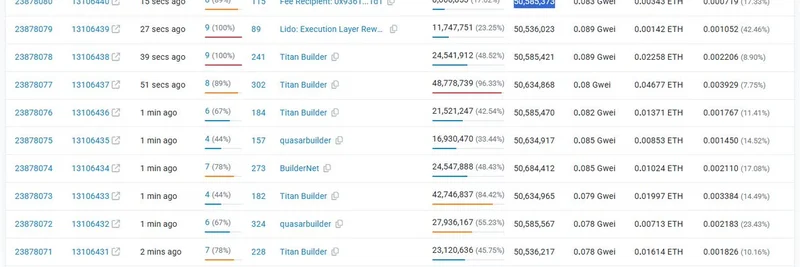
In the screenshot shared by Sassano, we see recent blocks with gas limits hovering around 50 million and climbing. This uptick isn't random; validators can propose small increases (up to 1/1024th per block) based on network demand. With Ethereum's upgrades like Dencun introducing blobs for cheaper data availability, the network is handling more load efficiently. Blobs, by the way, are chunks of data used primarily by layer 2 solutions to post transaction data back to the main Ethereum chain without bloating the block size excessively.
Now, why does this matter for meme tokens? Meme coins like Dogecoin-inspired tokens or the latest viral sensations often launch and trade on Ethereum or its layer 2 networks. High gas limits translate to greater throughput on layer 1, which can ease the pressure during meme token frenzies—think of those wild pumps where everyone rushes to buy or sell. Lower potential fees make it more accessible for retail traders and bots alike, fostering the kind of speculative environment that meme tokens love.
Layer 2 rollups, such as Optimism or Arbitrum, benefit indirectly too. With more space on Ethereum for data posting via blobs, these scaling solutions can process even more transactions cheaply. Many meme tokens have migrated to L2s for faster speeds and lower costs, but a beefier layer 1 supports the entire ecosystem. As Sassano's tweet suggests, we're on track for 60 million soon, which could mark a new era of scalability.
The community reactions in the thread range from excitement about improved performance to promotional shouts for various tokens. It's a reminder of how intertwined technical upgrades are with the fun, chaotic world of memes. If you're trading meme tokens, keeping an eye on Ethereum's core metrics like gas limits can give you an edge—after all, smoother networks mean more opportunities to ride the waves.
For more insights into how blockchain tech intersects with meme culture, check out our knowledge base on meme token launches and stay tuned for updates on Ethereum's evolution.