 Meme Insider
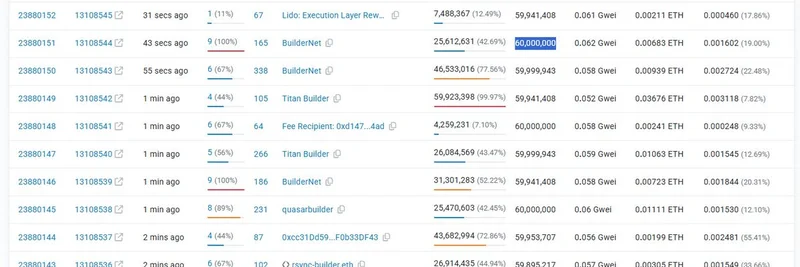
Ethereum just hit a major milestone that's got the crypto community buzzing. Anthony Sassal, a prominent Ethereum educator and founder of The Daily Gwei, announced on X that the Ethereum L1 gas limit has reached 60 million. This update comes hot on the heels of his earlier post noting the limit was steadily climbing toward this target.
For those new to the space, the gas limit on Ethereum is basically the maximum amount of computational work that can be included in a single block. Think of it as the block's capacity for transactions. A higher gas limit means more transactions can fit into each block, which can lead to lower fees during peak times and better overall network performance. This is especially crucial for meme coins, which often see wild trading volumes and can drive up gas prices when things get hectic.
Sassal's tweet highlights the achievement with a screenshot from an Ethereum block explorer, showing recent blocks pushing right up to that 60 million mark in gas usage.
This isn't just a random bump—it's part of Ethereum's ongoing efforts to scale without relying solely on layer-2 solutions. Back in his quoted post from earlier, Sassal shared another view of the gas limit creeping up, signaling steady progress.
Why does this matter for meme tokens? Meme coins thrive on hype, quick trades, and community engagement, but high gas fees on Ethereum's mainnet can be a killer. With a higher gas limit, we could see reduced congestion, making it cheaper and faster to mint, trade, or interact with meme projects directly on L1. This could encourage more developers to build meme-focused dApps on Ethereum, rather than jumping ship to faster chains like Solana.
Looking ahead, Sassal is already eyeing bigger goals for 2026, suggesting a push to at least 180 million— that's a 3x increase from where we are now. If that happens, it could supercharge the meme economy by enabling more complex smart contracts and higher transaction throughput without the fee spikes that scare off retail traders.
Of course, increasing the gas limit isn't without risks. It puts more strain on node operators, who need beefier hardware to keep up. But the Ethereum community has been testing these waters carefully, and so far, it's paying off.
If you're into meme coins, keep an eye on how this plays out. Projects like PEPE or DOGE derivatives on Ethereum might see renewed interest as costs come down. For more insights on how blockchain tech intersects with meme culture, check out our knowledge base at meme-insider.com.
This development underscores Ethereum's commitment to evolving as the go-to platform for innovative crypto projects, including the viral world of memes. What's your take—will we hit 180 million next year? Drop your thoughts in the comments below.