 Meme Insider
Ethereum, the powerhouse blockchain that's been the backbone of decentralized finance (DeFi) for years, is quietly entering a golden era. According to recent insights from Token Terminal, the costs to interact with Ethereum are scraping all-time lows. At the same time, liquidity and capital velocity in low-risk DeFi protocols—like lending platforms and stablecoin ecosystems—are hitting record highs. And if that's not enough to get your pulse racing, the Ethereum core development team's shipping pace is faster than ever. These aren't just numbers on a chart; they're signs of a maturing ecosystem that's making crypto more accessible and efficient for everyone from casual users to institutional players.
Let's break this down step by step, because understanding these metrics can help you spot opportunities in the volatile world of meme tokens and beyond. After all, at Meme Insider, we're all about connecting the dots between mainstream blockchain trends and the wild, community-driven tokens that often ride these waves.
Why Low Fees Matter: Ethereum's UX Glow-Up
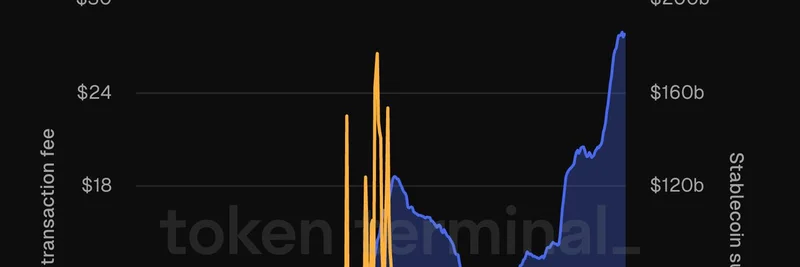
Remember the days when sending a simple transaction on Ethereum felt like paying a premium for express shipping on a budget airline? Gas fees—those pesky costs for processing transactions—could spike to $50 or more during peak times, pricing out smaller users and slowing down adoption. But now? The median transaction fee has plummeted to levels we haven't seen since the early days of the network.
This isn't random luck. It's the result of relentless upgrades like the Dencun hard fork earlier this year, which introduced blobs for cheaper data storage, and ongoing layer-2 scaling solutions like Optimism and Arbitrum that offload traffic from the main chain. Lower fees mean higher throughput: more swaps, more lending, and yes, more meme token trades without the fear of getting rekt by unexpected costs.
For DeFi practitioners, this translates to smoother experiences in low-risk environments. Think stablecoin transfers on platforms like Aave or Compound—now they're as cheap as a coffee, not a car payment.
Liquidity and Velocity: The Lifeblood of DeFi Revival
The flip side of that fee chart tells an even more compelling story. Stablecoin supply on Ethereum—representing the pool of dollar-pegged assets ready for action—has surged to new peaks, crossing the $160 billion mark in recent months. This isn't just hoarding; it's active capital. Velocity, a measure of how quickly money moves through the system, is up too, showing that users aren't just parking funds—they're deploying them in yield-generating strategies.
In low-risk DeFi, this means:
- Lending protocols seeing increased deposits and borrows, stabilizing rates for borrowers.
- Stablecoin ecosystems like USDC and USDT fueling seamless cross-border flows, which indirectly benefits meme token liquidity pools on DEXes like Uniswap.
- Overall network health: Higher liquidity reduces slippage (that annoying price impact on trades) and makes Ethereum a more attractive hub for real-world assets (RWAs) integration.
If you're knee-deep in meme coins, keep an eye here. Many viral tokens launch or migrate to Ethereum because of this robust infrastructure—low fees mean more retail participation, which can spark those explosive pumps we're all chasing.
Core Devs Shipping at Warp Speed: Innovation on Steroids
Behind these user-facing wins is a dev team that's firing on all cylinders. Ethereum's core developers have maintained an unprecedented release cadence in 2025, rolling out EIPs (Ethereum Improvement Proposals) that tackle everything from privacy enhancements to better interoperability with sidechains. Metrics from tools like Token Terminal show proposal merges happening weekly, a stark contrast to the slower cycles of yesteryear.
This pace isn't just technical housekeeping. It's fostering an environment where builders can experiment without friction. For blockchain enthusiasts, it means more tools for creating secure, scalable dApps—potentially including meme token utilities like gamified staking or NFT-gated communities that leverage Ethereum's security.
What This Means for You: Opportunities in a Maturing Chain
So, are we in "exciting times" as Token Terminal puts it? Absolutely. Ethereum's trifecta of low costs, high liquidity, and rapid innovation is lowering barriers to entry, which could draw in waves of new users. For meme token hunters, this is prime territory: Cheaper txns mean more flips, higher velocity means faster hype cycles, and dev momentum ensures the chain stays ahead of competitors.
But don't sleep on the risks—volatility is crypto's middle name, and while fees are low now, network congestion from the next bull run could change that quick. Diversify, DYOR, and maybe keep some stablecoins handy for those opportunistic meme dips.
At Meme Insider, we're tracking how these macro trends ripple into the meme economy. Got thoughts on Ethereum's resurgence or a hot token tip? Drop 'em in the comments—we're building the ultimate knowledge base for this space together.