Meme Insider
In the ever-evolving world of blockchain and decentralized tech, few projects have stirred as much excitement—and debate—as Farcaster, the protocol aiming to redefine social networking on-chain. But as we hit December 2025, a candid admission from the Farcaster team has everyone talking: after over five years of grinding, they've hit a wall on the social side. Enter the pivot—wallet-first, social-second. It's a pragmatic move that's got the crypto community buzzing, and it's a story worth unpacking for anyone dipping their toes into meme tokens, DeFi, or just the broader blockchain landscape.
If you've been following decentralized social (DeSoc) experiments, you know the drill. Projects like Farcaster promised a Twitter-like experience without the centralized overlords—think permissionless building, true ownership of your data, and viral on-chain interactions. Sounds dreamy, right? But as DeFi analyst Ignas nailed it in his recent thread, "Farcaster is admitting what everyone felt for a while. The decentralized social network never found real PMF [product-market fit]. Despite 4.5 years of trying and a few successful adoption spikes. X network effects too hard to break free from."
Oof. That's the raw truth. Building something to rival X (formerly Twitter) isn't just hard—it's a Herculean task when you're up against entrenched habits and those sticky network effects. But let's rewind a bit and see how we got here.
The Social-First Grind: Five Years of Bold Bets
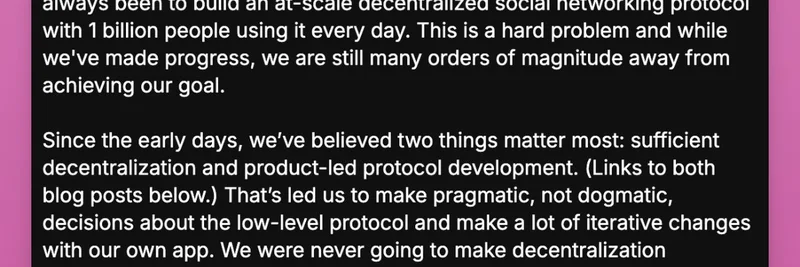
Farcaster's founders, including Varun and Dan (DWR), kicked things off with a laser focus on decentralization. From day one, they shipped a protocol that was "sufficiently decentralized," letting independent teams build and integrate without gatekeepers. They iterated like crazy on low-level protocol tweaks, guided by product-led development—pragmatic decisions over dogmatic purity.
For the uninitiated, product-led development means letting the users (and data) steer the ship, not some rigid ideology. It's why Farcaster avoided the trap of chasing "decentralization maximalists" who demand every feature be 100% on-chain from the jump. Instead, they balanced security with usability, rolling out a working version that powered spikes in adoption—like those meme-fueled frames and casts that lit up the ecosystem.
But here's the kicker: despite all that hustle, sustainable growth never clicked. No product-market fit for the core Twitter-like social network. Sure, there were moments—viral threads, niche communities buzzing—but nothing that stuck at scale. As DWR put it in their "State of Farcaster" update, they're still "many orders of magnitude away" from that billion-user dream. It's a humbling reminder that even in blockchain, where innovation moves at warp speed, social gravity pulls hard toward incumbents.
The Pivot: Come for the Wallet, Stay for the Network
So, what's the play? Farcaster's doubling down on utility over vibes. The new mantra: Build a killer wallet first, weave in social features second. Picture this user journey:
- Sign up and fund your wallet – Seamless, no friction.
- Use the wallet – Swap tokens, bridge assets, stake in DeFi protocols. Make it indispensable.
- Discover social perks – While managing your portfolio, stumble into casts, follows, and on-chain convos. It just... enhances the experience.
DWR sums it up perfectly: "It’s far easier to add a wallet to a social network than a social network to a wallet." Classic "come for the tool, stay for the network" strategy. It's reminiscent of how Base apps have been hooking users—solve a real pain point (like cheap, fast transactions), then layer on the fun stuff.
This isn't defeat; it's evolution. By prioritizing the wallet, Farcaster taps into the exploding demand for self-custodial tools in a post-FTX world. Remember, wallets aren't just key holders anymore—they're gateways to DeFi, NFTs, and yes, even meme token launches. If Farcaster nails this, they could onboard millions who already need a reliable wallet, then convert them into social users organically.
Why This Matters for Meme Tokens and Blockchain Builders
At Meme Insider, we're all about spotting those intersections where memes meet mainstream tech. This pivot screams opportunity for meme token communities. Imagine: A wallet that's not just secure but social. Users could airdrop tokens via casts, rally around viral memes in-frame discussions, or even govern DAOs through wallet-integrated polls. It's fuel for the next wave of on-chain hype.
For blockchain practitioners, it's a masterclass in resilience. Decentralization is table stakes, but PMF? That's the real boss level. Farcaster's willingness to course-correct—after shipping real tech and learning from failures—shows why product-led growth trumps hype every time. As Ignas notes, this mirrors broader trends in Web3: Tools first, networks follow.
What's Next for Farcaster?
DWR's teasing a series of casts this week diving deeper into the "State of Farcaster." Expect gritty details on protocol upgrades, wallet features, and how they're measuring success beyond vanity metrics. Will this wallet bet crack the code on DeSoc? Only time (and user data) will tell. But one thing's clear: In 2025, the projects thriving are the ones that adapt fast and build what people actually use.
What do you think—smart pivot or too little too late? Drop your takes in the comments, and if you're knee-deep in meme tokens or DeFi, hit that follow for more breakdowns like this. Stay decentralized, friends.
Originally inspired by this thread from Ignas.