Meme Insider
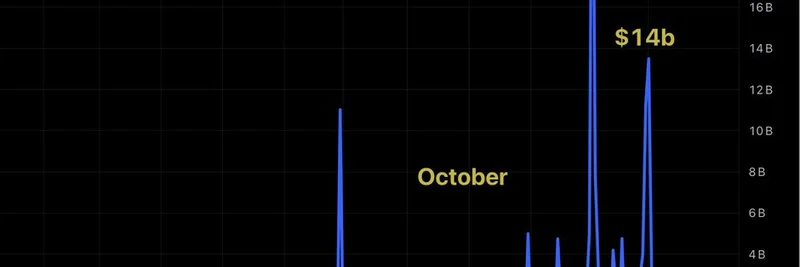
In the ever-volatile world of finance, even the quiet hum of central bank operations can send ripples through markets. A recent X post from crypto commentator MartyParty spotlighted something intriguing: the Federal Reserve's Overnight Repo Facility suddenly lighting up like a Christmas tree in October 2025. With two massive spikes—$30 billion and $14 billion—these aren't just numbers on a chart; they're emergency cash infusions aimed at banks under pressure. As someone who's covered crypto's wild rides for years, I see this as a classic tale of traditional finance's plumbing creaking, and it's worth unpacking for blockchain folks who know how liquidity droughts can fuel meme token frenzies.
What Exactly Went Down with These Repo Spikes?
Let's keep it simple: Repurchase agreements, or "repos," are like ultra-short-term loans where banks swap high-quality assets (think U.S. Treasuries) for cash overnight, promising to buy them back the next day at a slightly higher price. The Fed's Standing Repo Facility (SRF) is their backstop tool, there to prevent chaos in short-term funding markets. When usage spikes, it's often a sign that private markets are freezing up, and banks are turning to the central bank for relief.
MartyParty's chart, which tracks the facility from February to December 2025, shows activity was basically flatlining—near zero for months. Then, boom: around October, the line shoots up. The big ones?
- October 31, 2025: A whopping $29.4 billion (close enough to that $30B mark) poured in amid quarter-end balance sheet jitters.
- November 15, 2025: Another $13.5 billion hit, as Marty noted that $14B figure.
These aren't isolated blips. Fed data from sources like FRED (Federal Reserve Economic Data) and the New York Fed's operations reports confirm the ramp-up started mid-October. Bank reserves had dipped to about $2.8 trillion—a four-year low—thanks to ongoing quantitative tightening (QT), where the Fed shrinks its balance sheet by letting bonds mature without reinvesting. Add in month-end stresses, and you've got a perfect storm for liquidity squeezes.
As of December 3, 2025, things have cooled a bit—the latest print was just $3 billion—but the Secured Overnight Financing Rate (SOFR), a key benchmark for short-term borrowing, held steady around 3.85%. That's the good news: No full-blown crisis like the 2019 repo meltdown that forced the Fed to intervene big-time.
Why Banks Are Feeling the Pinch—and What It Means
MartyParty nailed it in his post: These injections go straight to "banks under distress." Not every bank is scrambling, but the ones tapping the SRF are likely facing short-term funding gaps. Why now? A few culprits:
- QT's Long Tail: The Fed's been unwinding its pandemic-era stimulus, draining excess cash from the system. Reserves are tighter than they've been since 2021.
- Seasonal Squeezes: October and November bring tax payments, dividend payouts, and regulatory reporting deadlines that suck up liquidity.
- Broader Market Vibes: With inflation cooling but rate cuts on hold, banks aren't hoarding cash like they used to.
For everyday blockchain practitioners, this might sound like ancient fiat drama, but here's the hook: Liquidity in tradfi directly impacts crypto. Remember how the 2020 repo floods juiced risk assets, including Bitcoin's moonshot? Tight conditions can do the opposite—sparking sell-offs in riskier plays like meme tokens. If banks are stressed, they're less likely to lend into crypto ecosystems or stablecoin reserves. On the flip side, savvy degens might see this as a dip-buying signal: When the Fed steps in, markets often rally on the "all clear."
Even Grok's quick reply to MartyParty's post echoes this: It's QT pressure, not broad panic, but worth watching as reserves hover low.
Tying It Back to Meme Tokens and Crypto's Wild Side
At Meme Insider, we're all about the tokens that capture the zeitgeist—those viral, community-driven assets that thrive on hype and macro tailwinds. A Fed repo surge like this? It's macro catnip. In late 2025, with meme coins like PEPE and DOGE still dominating DEX volumes, any whiff of liquidity relief can ignite FOMO. Imagine: Banks flush with overnight cash start dipping toes into yield farms or NFT collateral—sudden demand for ETH-based memes spikes.
But caution: If these repo needs persist into 2026, it could signal deeper cracks, pushing investors toward decentralized alternatives. That's where meme tokens shine—not as jokes, but as hedges against centralized wobbles. We've seen it before; the 2022 liquidity crunch birthed a wave of utility-memes blending DeFi with viral branding.
What's Next? Eyes on the Fed's Playbook
The Fed isn't hitting the panic button yet—these ops are temporary, not the permanent money-printing of QE. But if we see more $10B+ days, or SOFR creeping up, expect volatility. For crypto heads, track tools like DefiLlama for on-chain liquidity flows and cross-reference with Fed calendars.
MartyParty's callout is a reminder: In crypto, ignoring tradfi is like trading blindfolded. These repo prints aren't just bank bailouts; they're early warning lights for the next big swing. What's your take—bullish dip or bearish omen? Drop it in the comments, and stay tuned to Meme Insider for more macro-meme mashups.
Disclosure: This isn't financial advice—just analysis to level up your game. Always DYOR.