Meme Insider
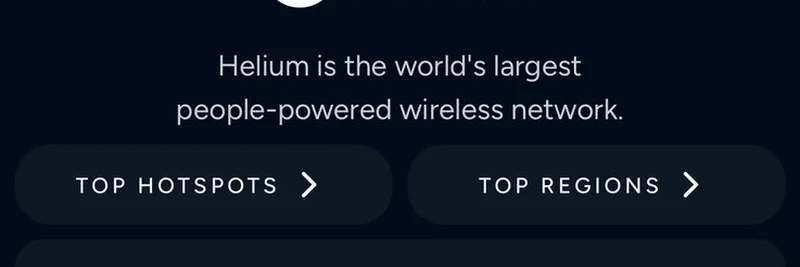
Helium's dashboard isn't just a bunch of numbers—it's a snapshot of a revolution unfolding in real time. Picture this: a global map dotted with hotspots, each one a tiny node in the world's largest people-powered wireless network. That's Helium, and right now, it's connecting over 2.1 million phones every single day. If you've been wondering when crypto would deliver on its promise of actual utility beyond trading memes and hype cycles, this is it.
Let's break down what this milestone really means, straight from the latest stats shared by Abhay Rathore, a key builder at Helium. No fluff, just the facts that show why decentralized networks like this are flipping the script on traditional telecom.
The Numbers That Tell the Story
At a glance, the Helium app reveals some jaw-dropping figures:
- Daily Users: A whopping 2,133,248 active connections. That's not theoretical—it's phones actually tapping into the network for coverage, data, and more.
- Total Mobile Hotspots: Over 120,577 devices deployed worldwide, turning everyday folks into mini wireless providers.
- Network Traffic: 78.35 TB of data flowing through, up 6 TB from the day before. We're talking real bandwidth for apps, IoT gadgets, and mobile browsing.
- Protocol Revenue: $64,526 generated, with a daily bump of $4,198 USD. This isn't vaporware; it's economic activity rewarding hotspot owners with HNT tokens.
These aren't just vanity metrics. In a world where big telcos charge an arm and a leg for spotty 5G, Helium lets anyone with a hotspot earn crypto by sharing coverage. It's like Airbnb for wireless bandwidth—decentralized, efficient, and powered by blockchain incentives.
Why This Matters for Crypto and Beyond
Remember when skeptics dismissed blockchain as "just for Bitcoin bros"? Helium is the poster child for utility-driven crypto. Built on a proof-of-coverage model (think proof-of-work, but for radio waves instead of energy-hungry mining), it verifies hotspot locations and data transfer without a central authority. This means cheaper, more resilient networks—especially in underserved areas.
For blockchain practitioners, here's the tech angle: Helium's Solana-based ledger handles high-throughput transactions for token rewards, while its LoRaWAN roots cater to low-power IoT devices. Scaling to 2.1M users shows the network's maturity, with HIP-70 upgrades enabling seamless mobile data offloading. If you're building dApps or DePIN projects (Decentralized Physical Infrastructure Networks), Helium's open-source toolkit is a goldmine for experimentation.
And the growth? That upward-trending graph for daily users over the last six months isn't luck—it's ATH season, as Abhay put it. With partnerships expanding into urban deployments and rural expansions, expect these numbers to climb. It's a reminder that real adoption comes from solving pain points, like affordable connectivity in a post-pandemic world.
What's Next for Helium and Meme Token Enthusiasts?
While Helium isn't a meme coin (yet—though community vibes are electric), its success underscores a broader trend: utility tokens outperforming hype. If you're knee-deep in meme tokens at Meme Insider, keep an eye on how DePIN plays like this could inspire the next wave of community-driven assets. Imagine a meme token backed by actual network contributions—now that's viral potential.
For now, if you're not already, download the Helium app and scout your neighborhood for coverage. Who knows? You might just join the 120K+ hotspot heroes shaping the future of wireless.
Stay tuned to Meme Insider for more on where crypto meets the real world. What's your take on Helium's surge—game-changer or just another pump? Drop your thoughts in the comments.