 Meme Insider
In the fast-paced world of blockchain, where meme tokens like Dogecoin and Shiba Inu have captured imaginations and wallets alike, scalability remains a key challenge. Enter Succinct Labs with their latest announcement that's turning heads: SP1 Hypercube now proves 99.7% of Ethereum blocks in under 12 seconds using just 16 NVIDIA RTX 5090 GPUs. This isn't just a tech flex—it's a game-changer for how we think about Ethereum's layer-1 (L1) scaling, and by extension, the meme token frenzy that often clogs the network.
For those new to the jargon, proving blocks means verifying transactions quickly and securely using zero-knowledge (ZK) proofs. These are cryptographic methods that let you confirm something is true without revealing all the details, kind of like proving you're over 21 without showing your full ID. Succinct's SP1 Hypercube is a zkVM (zero-knowledge virtual machine) that makes this process blazing fast, even on hardware you could theoretically set up at home for under $100,000.
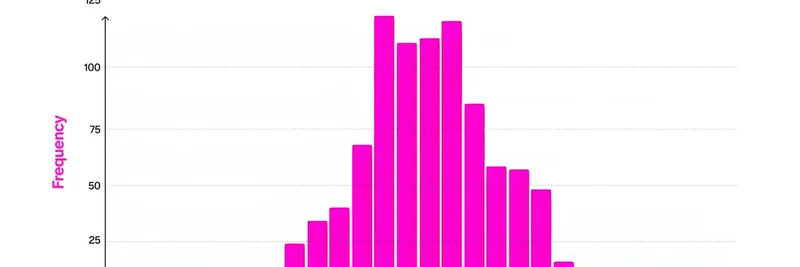
The chart above, shared in Succinct's thread on X, illustrates the distribution of proving times across a sample of Ethereum blocks. Most fall well under the 12-second mark, aligning perfectly with Ethereum's block time. This real-time capability was first teased back in May, earning nods from heavyweights like Vitalik Buterin and Justin Drake.
What makes this exciting for meme token enthusiasts? Meme tokens often surge on hype, leading to network congestion, sky-high gas fees, and slow confirmations. With SP1 Hypercube, Ethereum could scale horizontally to handle massive throughput—think 1 gigagas per second, or about 10,000 transactions per second (TPS) for real-world apps. That means quicker launches for new meme coins, smoother trading during viral moments, and potentially lower costs that keep the fun accessible to everyone, not just whales.
Succinct didn't stop at speed; they've beefed up security too. By collaborating with Nethermind and the Ethereum Foundation, they've formally verified opcode constraints and ditched reliance on unproven conjectures. Plus, features like SP1-2FA add trusted execution environment (TEE) protection, making it safer for developers building meme-related dApps or rollups.
Looking ahead, this aligns with Ethereum's roadmap for ZK scaling in 2026 and beyond. Native rollups with minimal latency could mean meme tokens get instant interoperability with the base layer, fostering more creative projects. If you're in the meme token space, keeping an eye on tools like SP1 could give you an edge in understanding where the next big wave might come from.
For a deeper dive, check out Succinct's blog post on the optimizations and benchmarks. As blockchain evolves, innovations like this remind us why meme tokens aren't just jokes—they're riding the cutting edge of tech.