Meme Insider
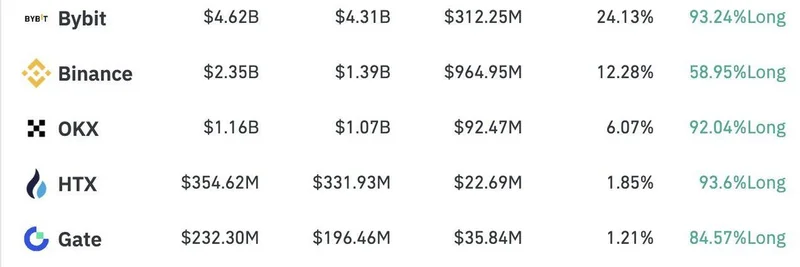
In the fast-paced world of crypto, where fortunes can flip in hours, a recent tweet from analyst @jussy_world has spotlighted a jaw-dropping milestone. Hyperliquid, a decentralized exchange specializing in perpetual futures (often called perps), just clocked over $10 billion in 24-hour liquidations. That's more than what giants like Binance and Bybit managed combined, which totaled around $7 billion. For those new to the term, liquidations happen when traders' leveraged positions get automatically closed out because the market moves against them, wiping out their collateral.
This data, pulled from the tweet (view the original post), shows Hyperliquid dominating the liquidation charts. Out of a total $19.15 billion across all exchanges, longs (bets on prices going up) took the biggest hit at $16.69 billion, making up about 87% of the action. Hyperliquid alone accounted for 53.6% of that, with $9.29 billion in long liquidations. It's a stark reminder of how volatile the "perps meta" can be— that's slang for the current trend where traders pile into perpetual contracts for quick gains, often on hyped assets like meme tokens.
Meme tokens, those fun, community-driven coins inspired by internet jokes or trends, thrive on speculation. Platforms like Hyperliquid make it easy to trade them with leverage, amplifying both profits and losses. But as this liquidation event shows, when the market dips, leveraged longs get crushed. Think of it like borrowing money to bet on a horse race; if your horse stumbles, you lose not just your stake but potentially more. For blockchain practitioners dipping into meme tokens, this is a wake-up call to understand the tech behind these trades. Hyperliquid runs on its own layer-1 blockchain, offering fast, low-cost perps, but that speed can lure in overconfident traders.
Why does this matter for meme insiders? Well, many popular memes like Dogecoin derivatives or Solana-based tokens see heavy perp action on Hyperliquid. High liquidations often signal extreme volatility, which can cascade into spot markets, affecting token prices. If you're building or investing in meme projects, keeping an eye on perp data helps gauge sentiment. Are traders overly bullish (too many longs)? That might precede a correction.
The tweet also sparked discussions in the replies, with users lamenting the "saddest day ever" or joking about airdrops not covering losses. It's a community vibe that underscores the emotional rollercoaster of crypto trading. As a former CoinDesk editor, I've seen cycles like this before—booms followed by busts that weed out the weak hands.
To navigate this, focus on risk management: Use stop-losses, avoid max leverage, and diversify beyond just memes. Tools like on-chain analytics can help spot liquidation clusters early. For more on Hyperliquid's tech, check their docs here. And remember, in DeFi, knowledge is your best hedge against getting rekt.
Stay tuned to Meme Insider for more breakdowns on how these events shape the meme token landscape. What's your take on this liquidation frenzy? Drop a comment below!