 Meme Insider
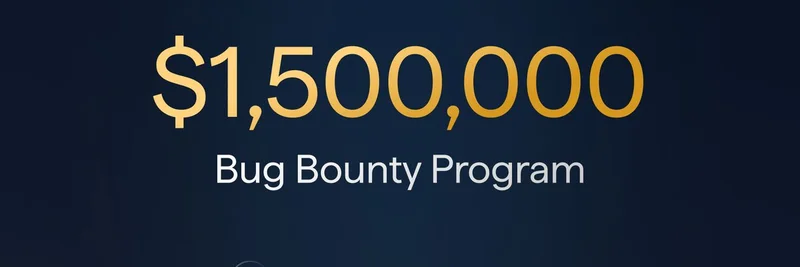
Hey there, crypto enthusiasts! If you're deep into the Solana world, especially with all the wild meme tokens flying around, you've probably heard the buzz from BSCNews's recent tweet. Kamino, a powerhouse DeFi protocol on Solana, just rolled out what they're calling the largest bug bounty in Solana DeFi history—up to a whopping $1.5 million in rewards. They're teaming up with Immunefi, the go-to platform for Web3 security bounties, to make sure their system is as bulletproof as possible. Let's break this down in simple terms and see why it's a game-changer, especially for meme token fans.
What's Kamino All About?
First off, if you're new to this, Kamino is a DeFi (that's Decentralized Finance, folks—think lending, borrowing, and trading without banks) protocol built on Solana. Solana is that super-fast blockchain known for low fees and high speeds, which makes it a hotspot for meme tokens like BONK, dogwifhat, or Popcat. Kamino stands out because it combines lending, liquidity provision, and leverage into one seamless package. Basically, it's a one-stop shop for users to earn yields, provide liquidity for tokens (including memes), and even amp up their positions with borrowed funds. Security is key here since billions in user assets could be at stake.
This bug bounty isn't Kamino's first rodeo—they've had a self-hosted program running for almost three years. But now, by partnering with Immunefi, they're tapping into a massive network of security researchers who've already protected over $190 billion in user funds across the crypto space. Check out Kamino's full announcement thread on X for the nitty-gritty.
Diving into the Bug Bounty Details
So, what's a bug bounty? It's like a reward program where ethical hackers (white hats) hunt for vulnerabilities in the code—think loopholes that could let bad actors steal funds or disrupt operations. Report it responsibly, and you get paid handsomely instead of exploiting it.
Kamino's program, which went live on October 6, 2025, is hosted on Immunefi's platform. Rewards are paid in USDC on Solana and are based on the impact of the bug found. Here's a quick breakdown in a table for clarity:
| Impact Level | Category | Reward Range | Key Notes |
|---|---|---|---|
| Critical | Smart Contracts | Up to $1,500,000 | 10% of funds affected, min $150,000 if at least $50,000 at risk |
| High | Smart Contracts | $10,000 - $100,000 | 100% of funds at risk, min $5,000 required |
| Medium | Smart Contracts | $10,000 flat | For moderate issues |
| Critical | Websites/Apps | Up to $50,000 | For direct fund loss or key leaks; others $20,000 |
| High | Websites/Apps | Up to $10,000 | For significant web vulnerabilities |
The payouts are calculated using average prices from CoinMarketCap and CoinGecko at submission time—no funny business with liquidity adjustments. This setup replaces their old program and adds layers to their existing security measures, like open-source code, over 18 audits, formal verification, and verifiable on-chain builds. It's all about making Kamino one of the safest spots on Solana.
Why This Matters for Meme Tokens
Now, you might be wondering: "I'm here for the memes—how does this affect my favorite dog coins?" Well, Solana's meme token scene thrives on DeFi infrastructure. Many meme projects use protocols like Kamino for liquidity pools, where traders can swap tokens efficiently. If there's a bug in the lending or leverage features, it could ripple out and affect meme token prices or even lead to exploits that drain liquidity.
By beefing up security with this massive bounty, Kamino is indirectly safeguarding the broader Solana ecosystem. Think about it: more secure DeFi means more confidence for builders and traders to launch and trade meme tokens without fearing hacks. We've seen too many DeFi exploits in the past that wiped out user funds—this move helps prevent that and could even attract more capital to Solana memes. Plus, with Immunefi's track record of paying out over $120 million in rewards and uncovering vulnerabilities audits missed, it's a smart play for long-term growth.
How to Get Involved
If you're a security researcher or just a curious coder, head over to the Immunefi Kamino bounty page to start hunting. You'll need to submit a proof of concept, follow their rules (like no testing on mainnet—use local forks), and provide KYC info for payouts. Out-of-scope stuff includes social engineering, DoS attacks, or anything from prior audits (check their GitHub for those).
This is a golden opportunity to contribute to blockchain security while potentially scoring big. But remember, always play by the rules—responsible disclosure is key.
In the fast-paced world of crypto, moves like this show projects are serious about user protection. Keep an eye on Solana; with enhanced security, the meme token mania might just hit new heights. What do you think—will this inspire other protocols to up their bounty game? Drop your thoughts in the comments!