 Meme Insider
Hey folks, if you're knee-deep in the Ethereum ecosystem like I am—chasing the next big staking opportunity or just geeking out over blockchain infrastructure—you've probably heard the buzz around distributed validators (DVs). They're the secret sauce for making Ethereum staking more secure and decentralized, spreading the risk across multiple nodes instead of betting it all on one. But here's the catch: most DV setups are locked into a single execution client, like Lighthouse or Prysm. What if you want to mix it up? Enter Nethermind's latest drop, Pluto, which just leveled up the game in partnership with Obol Collective.
Why Multi-Client Support Matters in Ethereum Staking
Let's break it down simply. In Ethereum, validators run an execution client (handles the heavy lifting of transactions and state) paired with a consensus client (keeps the chain in sync). DVs, pioneered by Obol, let you run a validator key across several nodes for that sweet, sweet fault tolerance—think of it as staking with a safety net against downtime or attacks.
The problem? Traditional middleware (the glue between your DV setup and the clients) often forces you to pick one flavor of execution client. If that client hits a snag—a bug, a fork, or just bad vibes—your whole operation could grind to a halt. Not ideal when you're staking thousands in ETH.
Pluto changes that. Developed by the wizards at Nethermind (you know, the crew behind top-tier Ethereum nodes and research), it's a lightweight middleware layer that lets operators run multiple execution clients simultaneously. Hook up Geth for stability, Besu for enterprise vibes, or even Nethermind's own client for that extra edge—all under one DV roof. It's like having a multi-tool in your staking toolkit.
The Obol-Nethermind Power Duo
This isn't some solo project; it's a full-on collab teased in Obol's November 2025 recap. While the Obol team was rubbing elbows at Devcon in Buenos Aires, they dropped hints about "major news" with Nethermind. And boom—Pluto is it. As Nethermind put it in their announcement: "Operators should be able to choose more than one client, not rely on a single implementation."
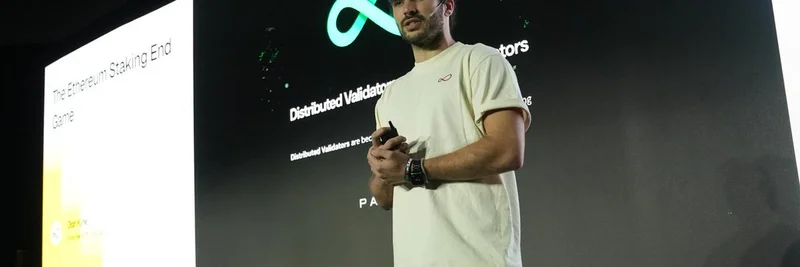
Obol's DV stack—Charon for consensus, plus this new middleware—now supports a true multi-client paradise. Early adopters are already raving in the replies, with Obol themselves giving it a big 💯. It's a step toward what Obol calls "the end game of Ethereum staking": ultra-resilient, client-agnostic validation that scales with Ethereum's growth.
How Pluto Fits into the Bigger Crypto Picture
Zoom out, and this is huge for the broader crypto staking scene. With Ethereum's Dencun upgrade still fresh and blobs optimizing costs, staking yields are hotter than ever (hovering around 3-4% APY, depending on your setup). But centralization risks linger—big pools like Lido dominate, drawing regulatory side-eyes. Tools like Pluto push back by empowering solo stakers and small operators to diversify without the hassle.
For meme token hunters like us at Meme Insider, it's indirect but real: stronger Ethereum infra means smoother launches on layer-2s, where those viral dog coins and frog memes thrive. No more client-induced hiccups derailing a pump.
Getting Started with Pluto and Obol DVs
Ready to dive in? Head to the Pluto GitHub repo for setup docs—it's Go-based, so if you're comfy with that, you're golden. Pair it with Obol's quickstart guide for a DV cluster in under an hour. Pro tip: Start small, test on Sepolia, then scale to mainnet.
What do you think—will multi-client DVs become the new standard? Drop your takes in the comments, and if you're building in this space, hit us up. At Meme Insider, we're all about demystifying the tech that powers the fun stuff. Stay staking smart!