 Meme Insider
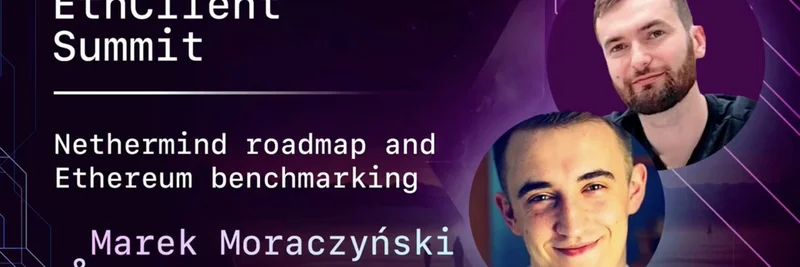
If you're knee-deep in the Ethereum ecosystem, you know how crucial it is to stay ahead of the curve on client updates and performance tweaks. Last month, at the bustling Devconnect event in Bangkok, two key figures from Nethermind—Head of Blockchain Engineering Marek Moraczyński and Lead QA Kamil Chodola—took the stage at the EthClient Summit to unpack their team's latest strides. Their talk? A deep dive into fork readiness, gas repricing innovations, and benchmarking frameworks that catch cross-client hiccups before they derail the network.
Think of it like this: Ethereum's evolution relies on smooth upgrades across diverse clients like Geth, Besu, and Nethermind's own execution layer. But what happens when one client's tweak throws off the whole symphony? That's where Nethermind's work shines—proactively surfacing issues to keep things humming.
Unpacking the Roadmap: Fork Readiness First
Fork readiness isn't just jargon; it's the backbone of Ethereum's upgrades, ensuring nodes sync up without chaos during hard forks like the upcoming Pectra. Marek and Kamil shared how Nethermind's team simulates these events in controlled environments, testing everything from state transitions to consensus mechanisms. Their approach? Rigorous pre-fork audits that flag potential bottlenecks, saving validators hours of headache.
In simple terms, imagine prepping for a software update on your phone—if it bricks your device, you're out of luck. Nethermind's process is like having a beta tester squad that catches those bricks early, using tools integrated right into their execution client.
Gas Repricing: Making Every Transaction Count
Gas fees can feel like a wild ride, spiking unpredictably and frustrating users. Enter gas repricing: Nethermind's strategy to optimize how transactions are priced post-EIP-1559. By recalibrating base fees dynamically, they aim to reduce volatility while maintaining network security.
During the summit, the duo explained real-world implementations, drawing from recent testnets where repricing cut average costs by up to 20% without compromising throughput. For developers building dApps, this means more predictable budgeting—crucial for DeFi protocols and NFT marketplaces alike.
Benchmarking Frameworks: Spotting Cross-Client Drama
One of the talk's highlights was Nethermind's benchmarking suite, designed to compare performance across Ethereum clients. Why does this matter? In a multi-client world, subtle differences in execution speed or memory usage can lead to uneven load balancing, potentially centralizing the network.
Kamil walked through open-source frameworks that automate these tests, generating reports on metrics like TPS (transactions per second) and latency. Pro tip for blockchain devs: Integrate these into your CI/CD pipelines to ensure your smart contracts play nice with any client.
You can catch the full session right here on YouTube—it's a goldmine for anyone serious about Ethereum infrastructure. Clocking in at under an hour, it's packed with slides, code snippets, and Q&A that demystify these technical layers.
Why This Matters for the Broader Ecosystem
Nethermind isn't just building tools; they're fostering a more resilient Ethereum. As we edge toward Prague/Electra (Pectra), these insights from the EthClient Summit underscore the collaborative spirit driving layer-1 scalability. Whether you're a node operator, a full-stack dev, or just crypto-curious, tuning into talks like this keeps you equipped for what's next.
At Meme Insider, we love spotlighting how core tech like this underpins the wild world of meme tokens and viral blockchain trends. After all, a stable base layer means more room for those moonshot narratives to thrive. What's your take—have you tinkered with Nethermind's client yet? Drop a comment below.
For more on Ethereum's technical underbelly, check out our knowledge base on client diversity or follow Nethermind on X for real-time updates. Stay decentralized, folks!