 Meme Insider
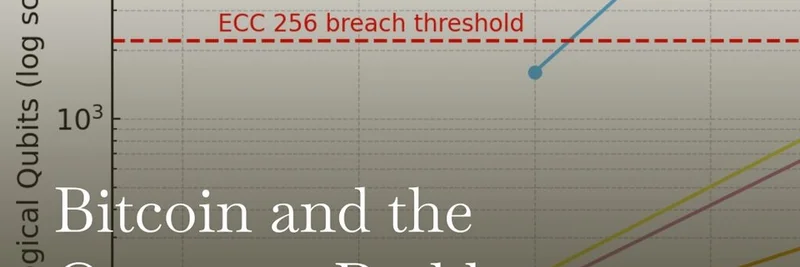
Nic Carter, a prominent voice in the crypto space, just dropped the second part of his series on Bitcoin and quantum computing risks. In a thread on X (formerly Twitter), he breaks down why quantum threats might hit sooner than we think, and it's got implications not just for Bitcoin but for the entire crypto world, including those wild meme tokens we all love to trade.
If you're new to this, quantum computing isn't some far-off sci-fi dream—it's a tech that's advancing fast and could potentially crack the cryptographic foundations that keep our digital assets safe. Bitcoin relies on something called the Elliptic Curve Discrete Logarithm Problem (ECDLP), which is basically a super tough math puzzle that makes it nearly impossible to figure out a private key from a public one using regular computers. But quantum computers? They could solve it using algorithms like Shor's, putting exposed keys at risk.
In his latest Substack post (read it here), Carter explains how a cryptographically relevant quantum computer (CRQC) could break this assumption. He points out that while Bitcoin's design offers some protections—like hashing public keys for addresses—there are vulnerabilities, especially for older or reused addresses.
Carter lists 10 reasons why he believes quantum timelines are speeding up:
Governments are already gearing up for a post-quantum era with new standards.
Qubit counts (the building blocks of quantum computers) are scaling quickly.
Investments in quantum tech are surging.
Major milestones hit this year, like breakthroughs in error correction.
Quantum companies forecast breaking elliptic curve cryptography (ECC) between 2028 and 2033.
The qubit requirements for cracking crypto are dropping thanks to optimizations.
Bitcoin itself acts as a massive bug bounty, with billions in exposed coins incentivizing quantum development.
It's a geopolitical race, similar to AI, with nations like the US and China pouring resources in.
AI advancements could supercharge quantum research.
Experts are shortening their timelines for quantum supremacy.
He dives into three types of quantum attacks on Bitcoin:
Long-range attacks on dormant coins with exposed public keys, like those in old pay-to-public-key (P2PK) addresses holding about 1.7 million BTC—think Satoshi's stash.
Attacks on coins from reused addresses, exposing even more BTC (around 4.8 million total at risk today).
Short-range attacks that could hijack transactions in real-time from the mempool before they confirm.
To protect yourself, Carter advises avoiding address reuse, moving coins to fresh addresses if needed, and staying alert for Bitcoin upgrades to post-quantum signatures. For now, most modern Bitcoin addresses (like P2WPKH) are safe as long as you don't expose the public key unnecessarily.
But here's where it ties into meme tokens: Many popular memes run on chains like Ethereum or Solana, which also use ECC-based cryptography (secp256k1, same as Bitcoin). If quantum breaks ECC, it could expose wallets across these networks too. Imagine a quantum attacker targeting high-value meme token holdings or even DeFi positions. While meme communities are all about fun and virality, this underscores the need for blockchain projects to start thinking about quantum-resistant upgrades. Ethereum, for instance, has discussed post-quantum options, but implementation could take years.
Carter also explores scenarios: If the US gets CRQC first, they might secure the network quietly. If China does, it could lead to chaos. Private actors? They'd likely grab exposed coins for profit. Either way, vulnerable coins—like those ancient P2PK ones—are probably getting stolen.
The thread sparked debate, with critics like Rearden Vibes arguing quantum scaling hasn't really happened yet and calling for bets against CRQC by 2035. Others, like Robin Linus, questioned some claims as overhyped. But praise came from figures like Ryan Adams, calling it the best read on the topic.
This isn't fear-mongering; it's a call to action. As blockchain practitioners, staying ahead of tech like quantum computing keeps our ecosystems resilient. Carter's third installment will cover mitigations and how Bitcoin stacks up against other chains—stay tuned by following his Substack.
In the meme world, where pumps can happen overnight, quantum risks remind us that long-term security matters too. If you're holding DOGE, SHIB, or the latest Solana sensation, consider how your chain is prepping for the quantum era. For more on meme token trends and blockchain news, check out our knowledge base at Meme Insider.