 Meme Insider
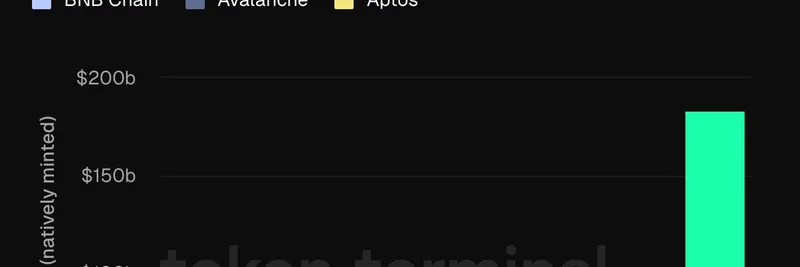
In the fast-paced world of blockchain and decentralized finance (DeFi), stablecoins stand as the unsung heroes—digital assets pegged to fiat currencies like the US dollar, offering stability amid crypto's wild volatility. They're the backbone for everything from everyday transactions to sophisticated yield farming strategies. But here's a eye-opening stat from Token Terminal: only three blockchains have minted over $10 billion in stablecoins natively. That's right—Ethereum, Tron, and Solana are the undisputed kings, leaving a trail of dust for everyone else.
If you're knee-deep in meme tokens or just dipping your toes into blockchain tech, this isn't just trivia. It highlights how network effects and smart infrastructure choices create moats that are tough to breach. Let's break it down, starting with that striking chart and what it really means for the ecosystem.
The Big Three: A Snapshot of Stablecoin Supremacy
The data, pulled as of December 7, 2025, paints a clear picture of concentration. Ethereum leads the charge with a whopping $150 billion+ in natively minted stablecoins—think giants like USDT and USDC that started life on its network. Tron follows closely with around $60 billion, thanks to its low-fee appeal for high-volume transfers, especially in emerging markets. And Solana? Clocking in at over $50 billion, it's the scrappy newcomer that's exploding thanks to blistering transaction speeds and a growing DeFi scene.
For context, "natively minted" means these stablecoins were created directly on the chain, not bridged over from elsewhere. This matters because it shows where liquidity is organically flowing and building. Here's a quick rundown of the top performers:
| Blockchain | Natively Minted Stablecoin Supply | Key Strength |
|---|---|---|
| Ethereum | ~$150B | Proven security and vast ecosystem |
| Tron | ~$60B | Ultra-low fees for global remittances |
| Solana | ~$50B+ | High throughput for scalable apps |
The rest? Arbitrum One, Base, BNB Chain, Avalanche, and Aptos are all under $10 billion—some barely scraping $1 billion. It's a classic power law distribution: a few winners capture most of the value, while the long tail scrambles for scraps.
Why These Three? Unpacking the Network Effect
So, what gives? Why aren't we seeing a more even spread across the hundreds of chains funded since Bitcoin's inception? As one reply to the post quipped, these three represent just 0.60% of all chains ever funded. That's the network effect in action—once a chain gains critical mass in liquidity and users, it snowballs.
Ethereum's Legacy Lock-In: As the OG smart contract platform, Ethereum has the deepest liquidity pools and the most integrated dApps. Stablecoins here aren't just stored; they're the lifeblood of lending protocols like Aave and DEXs like Uniswap. Even with layer-2 solutions siphoning some activity, the mainnet remains a stablecoin fortress.
Tron's Transaction Efficiency: Tron shines in cost-sensitive use cases. With fees often under a penny, it's become a hub for stablecoin transfers in Asia and Latin America. USDT's heavy presence on Tron (over 50% of its supply) underscores this—it's practical for real-world payments without the gas fee headaches.
Solana's Speed Surge: Solana's rise is the stuff of crypto legend. Capable of thousands of TPS (transactions per second), it's attracting builders fleeing Ethereum's congestion. Stablecoins on Solana power innovative memes, NFTs, and DeFi experiments, with projects like Jito and Drift leading the charge. No wonder it's closing in on the leaders.
This trio's dominance isn't accidental. It's a mix of first-mover advantage, developer mindshare, and battle-tested infrastructure. For blockchain practitioners, it's a reminder: when launching a meme token or DeFi project, aligning with these chains maximizes your chances of liquidity and adoption.
What This Means for Meme Tokens and Beyond
At Meme Insider, we're all about spotting trends that bridge hype with substance. Stablecoins might not scream "meme," but they're the quiet enablers of viral token launches. Pump.fun on Solana? Fueled by fast, cheap stablecoin swaps. Dogecoin-inspired projects on Tron? Thriving on accessible transfers. And Ethereum? It's where blue-chip memes like PEPE found their footing amid robust liquidity.
But here's the flip side: this concentration raises questions. Is it stifling innovation on smaller chains? Could regulatory shifts—like clearer stablecoin rules from the EU's MiCA or U.S. clarity—shake things up? And for investors, it's a signal to watch bridges and cross-chain tech; as more stablecoins get natively minted elsewhere, we might see challengers emerge.
One thing's clear: in a space with over 1,000 funded chains, true scale is rare. Ethereum, Tron, and Solana aren't just leading—they're redefining what "blue ocean" looks like in blockchain.
Wrapping Up: Eyes on the Horizon
Token Terminal's insight is a wake-up call for anyone building or trading in crypto. Whether you're a dev optimizing for Solana's speed or a trader eyeing Tron's volume, understanding stablecoin flows is key to staying ahead. What's your take—will a dark horse chain crack the $10B club next? Drop your thoughts in the comments, and keep an eye on Meme Insider for more breakdowns on the tokens (and memes) shaping tomorrow.
Data sourced from Token Terminal as of 12/07/25. Stablecoin supplies can fluctuate; always DYOR.