Meme Insider
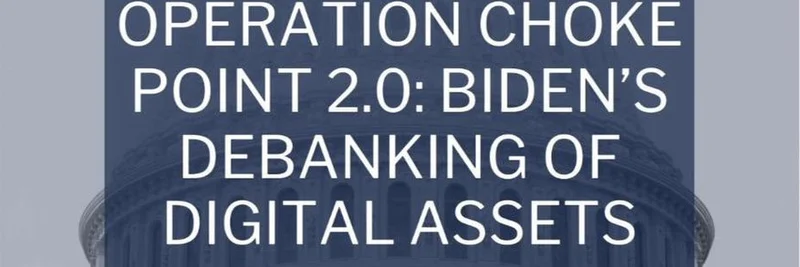
If you've been following the crypto space, especially the wild world of meme tokens, you've probably felt the regulatory squeeze over the past few years. A fresh report from Republicans on the House Financial Services Committee just dropped, shining a light on what they've dubbed "Operation Choke Point 2.0." This 50-page document lays out how the Biden administration allegedly used backchannel tactics to cut off banking services for digital asset firms. It's a big deal for anyone in blockchain, and yes, that includes the meme coin community.
First off, let's break down what Operation Choke Point even means. The original Operation Choke Point was a Department of Justice initiative back in 2013 aimed at "high-risk" merchants like payday lenders, where regulators pressured banks to drop clients they deemed risky. Fast-forward to version 2.0, and it's all about crypto. According to the report, federal agencies like the Federal Reserve (Fed), Federal Deposit Insurance Corporation (FDIC), and Office of the Comptroller of the Currency (OCC) used informal tools—think non-objection letters, pause letters, and subtle guidance—to discourage banks from dealing with anything crypto-related.
The report identifies at least 30 entities that got debanked this way. That's companies and individuals suddenly finding their bank accounts frozen or closed because of their ties to digital assets. Publicly, regulators denied any anti-crypto bias, but behind closed doors, they were reportedly telling banks to steer clear. The Securities and Exchange Commission (SEC) gets called out too for its "enforce first, make rules never" strategy, plus blocking banks from custodying crypto through Staff Accounting Bulletin 121 (SAB 121).
For meme coin enthusiasts and creators, this hits close to home. Meme tokens thrive on community hype, viral marketing, and quick liquidity through exchanges. But when founders or projects can't access basic banking services, it stifles growth. Imagine launching the next big dog-themed coin only to have your exchange partners debanked or your personal accounts shut down. It's not just big players like exchanges or custodians affected—smaller, innovative projects in the meme space felt the ripple effects, making it harder to onboard users or handle fiat conversions.
As Alex Thorn from Galaxy Research pointed out in his thread on X, we've suspected this for a while, but having it documented officially is huge. It puts everything on the record and could pave the way for friendlier policies under the new administration. In fact, the report notes that Trump-era regulators are already rolling back some of those Biden guidelines, which might open doors for more bank involvement in crypto.
If you're deep into blockchain tech or just dipping your toes into meme tokens, this report is worth a read. It highlights how unclear regulations give too much power to enforcers, leading to a chilling effect on innovation. For meme coins specifically, clearer rules could mean easier access to banking, better integration with traditional finance, and less fear of sudden debanking.
You can check out the full report here to dive into the details yourself. And if you're building in the space, keep an eye on upcoming legislation—like the recent stablecoin bill that's now law—which could finally bring some stability to digital assets.
What do you think—will this mark the end of crypto's regulatory winter? Drop your thoughts in the comments, and stay tuned to Meme Insider for more updates on how these shifts affect your favorite tokens.