 Meme Insider
Have you ever wondered why that hot new meme token you're eyeing suddenly vanishes from major exchanges or why your favorite crypto wallet provider seems to be walking on eggshells? It might not just be market volatility— it could be the lingering effects of something called Operation Chokepoint 2.0. This isn't some sci-fi plot; it's a real, documented effort by federal agencies to squeeze the life out of digital asset innovation. And now, thanks to a bombshell 50-page report from the U.S. House Financial Services Committee, the curtain has been pulled back on what many in the crypto world have suspected for years.
Let's break it down in plain English, because if you're a blockchain practitioner dipping your toes into meme tokens or just trying to keep up with the wild world of Web3, you deserve the full story without the jargon overload.
What Exactly Is Operation Chokepoint 2.0?
First off, a quick history lesson. The original Operation Chokepoint was a 2013 initiative under the Obama administration where the Department of Justice pressured banks to cut ties with industries they deemed "high-risk"— think payday lenders and gun shops. It was controversial, legally challenged, and eventually wound down. Fast-forward to the Biden era, and enter "Chokepoint 2.0": an alleged informal campaign targeting crypto and digital asset firms.
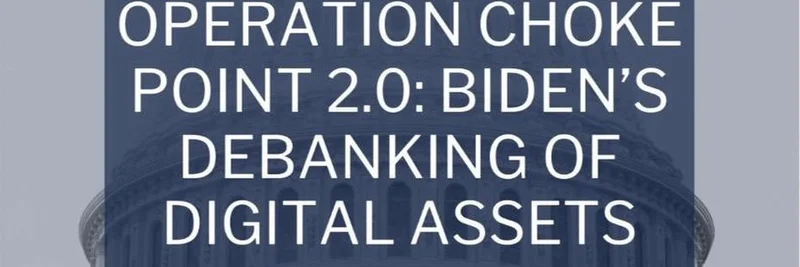
According to the report, titled Operation Chokepoint 2.0: Biden's Debanking of Digital Assets, this wasn't about outright bans. It was sneakier— using backroom regulatory whispers to scare banks away from anything crypto-related. No public memos, no formal rules; just quiet nods and "suggestions" that could make or break a bank's future. The result? Over 30 crypto companies got debanked, meaning their bank accounts were abruptly closed, crippling their operations.
The Smoking Gun: Key Revelations from the Report
Dan Spuller, Executive Vice President of the Blockchain Association, broke the news on X (formerly Twitter) with a thread that's already buzzing in crypto circles. He highlighted some jaw-dropping details:
Informal Pressure Tactics: Agencies like the Federal Reserve, FDIC, and OCC sent "pause" letters and non-objection notices to banks, effectively blocking them from onboarding crypto clients. Publicly, these same agencies denied any anti-crypto agenda. Talk about two-faced.
SEC's Role in the Crackdown: Under Gary Gensler, the SEC pushed an "enforce first, write rules never" approach. Their infamous SAB 121 guidance made it nearly impossible for banks to custody digital assets, fearing massive liability. This hit everyone from institutional players to everyday meme token traders.
Widespread Impact: It's not hyperbole— this affected real businesses. Firms innovating in blockchain tech, including those experimenting with fun, community-driven meme tokens like Dogecoin derivatives or Solana-based phenoms, found themselves locked out of the traditional financial system.
Spuller's thread links to the full report here, and it's worth a read if you're serious about understanding the regulatory minefield.
Why Should Meme Token Enthusiasts Care?
At first glance, meme tokens might seem like the chaotic, fun side of crypto— think Shiba Inu riding Elon Musk tweets or PEPE memes turning into million-dollar portfolios. But here's the kicker: these projects rely on the same infrastructure as serious DeFi protocols. Debanking doesn't discriminate; it hits the whole ecosystem.
Imagine launching a viral meme coin on Base or Solana, only for your liquidity provider or exchange to get spooked by regulatory heat and pull the plug. We've seen it happen with smaller players, forcing them offshore or into obscurity. This report shines a light on how such tactics stifle innovation, drive talent abroad, and make the U.S. less competitive in the global blockchain race.
For practitioners, it's a wake-up call. Meme tokens aren't just about gains; they're testing grounds for decentralized governance, viral marketing, and community ownership— core tenets of blockchain's promise. If agencies can quietly kneecap one sector, what's stopping them from targeting the next hot trend?
The Road Ahead: Clear Rules Over Backroom Deals
The good news? This report isn't just a complaint— it's a call to action. Chairman French Hill and the committee are pushing for transparent regulations that foster innovation without the fear factor. Think frameworks that define what's a security (bye-bye, endless SEC lawsuits) and encourage banks to embrace digital assets safely.
In the meme world, this could mean more U.S.-based launches, easier fiat on-ramps for retail traders, and less FUD (fear, uncertainty, doubt) around compliance. Projects like Bonk on Solana or emerging AI-meme hybrids could thrive without constantly looking over their shoulder.
Spuller's point rings true: The industry knew this was brewing, but documentation changes everything. It arms advocates, lawmakers, and even meme lords with ammo to fight for a fair shake.
Wrapping It Up: Stay Vigilant, Stay Decentralized
Operation Chokepoint 2.0 might be exposed, but the battle for crypto's soul is far from over. As we head into 2026, keep an eye on Capitol Hill— and maybe diversify those meme token holdings across chains less beholden to Uncle Sam. Got thoughts on how this affects your portfolio? Drop them in the comments below. At Meme Insider, we're all about decoding the drama so you can HODL smarter.
For more on regulatory ripples in the meme coin space, check out our knowledge base on crypto compliance essentials. And if you're new here, subscribe for weekly drops on the tokens making waves.