 Meme Insider

The crypto world thrives on transparency, but when big players start slinging mud, things get messy fast. That's exactly what's unfolding in the prediction markets arena right now, with decentralized darling Polymarket caught in the crosshairs of a pointed attack from Paradigm, a heavyweight venture capital firm. At the center of the storm? A tweet from Paradigm's "data guy" accusing Polymarket of inflating its trading volumes—claims that trading veteran @trading_axe swiftly dismantled as deliberate FUD (fear, uncertainty, and doubt).
If you're knee-deep in meme tokens or broader blockchain plays, this drama isn't just tabloid fodder. Prediction markets like Polymarket are reshaping how we bet on real-world events, from elections to crypto prices, using blockchain for trustless, global access. But with centralized rivals like Kalshi nipping at their heels, the stakes are sky-high. Let's break down what went down, why it smells like sabotage, and how it could ripple through your trading strategy.
The Spark: Paradigm's "Data Bug" Bombshell
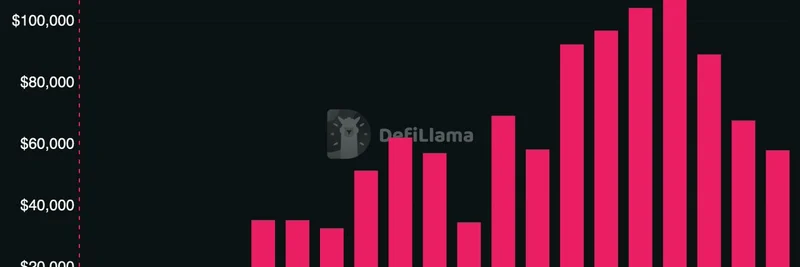
It all kicked off with a post from @primo_data, Paradigm's go-to for market insights. On December 8, 2025, they shared a screenshot of Polymarket's dashboard, claiming it double-counts volume—a cardinal sin in data reporting that could make the platform look artificially pumped. The implication? Polymarket's meteoric rise (hello, billions in election bets) might be built on smoke and mirrors.
But hold up—Primo Data didn't just drop this casually. They name-dropped their own portfolio darling, Kalshi, as the gold standard for "proper" reporting. Notional taker volume, they argued, is the way to go, and Polymarket's setup allegedly bucks that trend. They even looped in Artemis, a respected analytics tool, to back their point.
Sounds damning, right? Except @trading_axe, a battle-tested crypto trader and self-proclaimed "Dr. Axius," wasn't buying it. In a fiery quote-tweet that's already racked up thousands of views, Axe called out the incentives loud and clear: Paradigm is a massive backer of Kalshi. Why rock the boat on Polymarket, their biggest decentralized competitor, unless it's to protect those bags?
Anatomy of the Rebuttal: No Bugs, Just Bias
Axe didn't mince words. "It doesn't take a genius to figure out the incentive for this FUD," he wrote, labeling it "basic psychology." Paradigm, he argued, benefits "BIGLY" from tarnishing Polymarket's rep—especially as Kalshi ramps up its own crypto-inspired features, which Axe cheekily dubs "Chinese-counterfeit EVERYTHING Polymarket does."
Digging deeper, Axe highlighted a key timeline: This "bug" was already debunked in an October group chat with Blockworks' Dan Smith. Primo Data knew the score months ago but chose to air it publicly now. Coincidence? Or calculated strike?
The replies poured in, amplifying the skepticism. Traders like @RuneNerd_ pointed out Kalshi's history of paid attacks on Polymarket, while @MedalloMooner quipped, "Nobody believes one of the biggest VCs in crypto makes such a convenient 'mistake.'" Even @csin02 got a laugh out of Axe's sarcastic nod to Paradigm's "reputable" status, sparking a mini-thread on VC power plays.
For the uninitiated, prediction markets work like this: Users buy "yes" or "no" shares on outcomes (e.g., "Will Bitcoin hit $100K by EOY?"), with prices reflecting crowd-sourced probabilities. Blockchain versions like Polymarket settle on-chain via USDC, dodging central gatekeepers. Centralized spots like Kalshi? They're regulated, U.S.-friendly, but often criticized for opacity and slower innovation.
That screenshot from Primo Data? It shows Polymarket's clean interface—total volume, open interest, the works. No double-counting in sight, per industry norms. If anything, it underscores why Polymarket's surged ahead: real-time, verifiable data on Polygon and beyond.
The Bigger Picture: VC Wars in Web3
This isn't isolated beef. Paradigm, co-founded by crypto OGs like Fred Ehrsam (Coinbase fame), has poured millions into Kalshi, betting on regulated prediction markets as the compliant future. Polymarket? Backed by heavyweights like Founders Fund, it's the rebel—decentralized, global, and unapologetically crypto-native. Volumes tell the tale: Polymarket's hit $2B+ in 2024 bets alone, dwarfing Kalshi's regulated niche.
But here's the meme coin angle (because we're Meme Insider, after all): This drama echoes the wild west of token launches. Remember how VCs pump their darlings while dumping on rivals? Same playbook. If Paradigm's FUD sticks, it could spook retail into Kalshi, boosting their tokenless valuations. Meanwhile, Polymarket holders (via governance tokens) might see short-term dips—prime for savvy dip-buyers.
Axe wrapped with a zinger: "Sometimes we rush to publish UNTRUE THINGS not because of hostility but ignorance." Will Paradigm issue a correction? As of December 9, crickets. But in crypto, silence often screams guilt.
What Traders Should Watch Next
- Volume Wars Escalate: Keep tabs on Dune Analytics dashboards for unbiased Polymarket metrics. If Kalshi apes more features, expect copycat FUD.
- Regulatory Ripples: With U.S. elections looming (again), CFTC scrutiny on both platforms could intensify. Polymarket's offshore edge? A double-edged sword.
- Meme Potential: Prediction markets are breeding ground for viral bets—like "Will PEPE moon?" Watch for tokenized sidebets turning into full-blown meme tokens.
Bottom line: In a space where data is king, trust your sources. Paradigm's slip-up (intentional or not) reminds us VCs aren't infallible—they're invested. For blockchain builders and meme chasers alike, this is a masterclass in spotting bias. What's your take—FUD or fair play? Drop it in the comments, and stay tuned for more unfiltered crypto intel right here at Meme Insider.