 Meme Insider
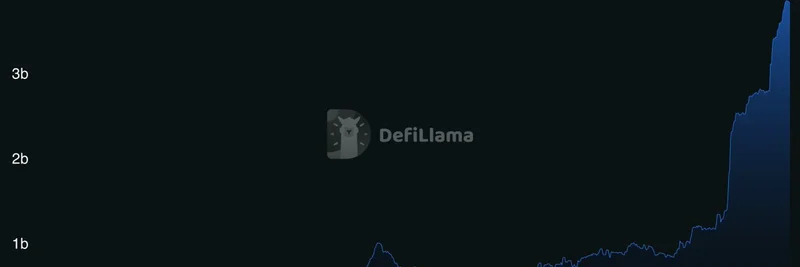
PayPal's foray into the crypto world just got a whole lot more exciting. If you've been keeping an eye on stablecoins—the digital assets designed to hold a steady value, usually pegged to the US dollar—then you've probably heard the buzz around PYUSD. Launched by the payments giant PayPal, this stablecoin is no longer just dipping its toes in the blockchain pool; it's making waves big enough to surf on. According to recent data from DefiLlama, PYUSD's total circulating supply has skyrocketed from a modest $1.2 billion in market cap back in September 2025 to a whopping $3.8 billion today. That's more than a threefold increase in just a few months!
Let's break this down a bit. Stablecoins like PYUSD are the unsung heroes of decentralized finance (DeFi). They offer the reliability of traditional money in the fast-paced, volatile world of crypto, making them perfect for everything from everyday transactions to complex yield farming strategies. PayPal, with its massive user base of over 400 million accounts worldwide, brings a level of trust and accessibility that's hard to beat. When they dropped PYUSD in 2023, it was a signal that big finance was serious about blockchain. Fast forward to late 2025, and the numbers are telling a story of explosive adoption.
What Sparked This PYUSD Boom?
So, why the sudden surge? A few factors are at play here. First off, the broader crypto market has been on a tear in 2025, with Bitcoin and Ethereum leading the charge toward new all-time highs. This bull run tends to lift all boats, including stablecoins, as traders seek safe havens amid the ups and downs. But PYUSD's growth isn't just riding coattails—it's got its own jet fuel.
PayPal has been aggressively expanding PYUSD's utility. You can now earn rewards on holdings through their app, use it for seamless cross-border payments, and even integrate it into DeFi protocols for lending and borrowing. Partnerships with platforms like Solana and Ethereum have made it easier than ever to move PYUSD around without the hefty fees that plague traditional wires. And let's not forget the regulatory tailwinds: clearer guidelines from the SEC and other bodies have given institutional players the green light to dive in.
From a meme token perspective—hey, that's our wheelhouse here at Meme Insider—this growth is a reminder of how established players can inject fresh liquidity into the ecosystem. Meme coins like Dogecoin or PEPE thrive on hype and community, but they often need stable anchors like PYUSD to bridge the gap to real-world use cases. Imagine funding your next viral token launch with PYUSD rewards—it's not sci-fi anymore; it's 2025.
The Bigger Picture for DeFi and Beyond
DefiLlama, the go-to analytics dashboard for all things DeFi, tracks over 300 stablecoins, and PYUSD's climb puts it squarely in the top tier alongside giants like USDT and USDC. This isn't just about numbers on a chart; it's about mainstream adoption. As PYUSD's circulating supply balloons, it's pulling in more users who might otherwise stick to fiat. For blockchain practitioners, this means richer liquidity pools, lower slippage on trades, and more opportunities to build on stable foundations.
But here's a pro tip: While the growth is impressive, keep an eye on the peg. Stablecoins can wobble under extreme market stress, so diversification is key. Tools like DefiLlama's stablecoin dashboard are invaluable for spotting trends early—whether you're a DeFi degens chasing yields or a meme lord plotting the next big pump.
In the wild world of crypto, where meme tokens can moon overnight and crash just as fast, stories like PYUSD's remind us that steady progress pays off. PayPal isn't just playing catch-up; they're redefining the game. What's your take—will PYUSD hit $10B by the end of 2026? Drop your thoughts in the comments, and stay tuned to Meme Insider for more on how traditional finance is memeing its way into Web3.
If you're hungry for more DeFi insights or the latest meme token drops, subscribe to our newsletter or check out our knowledge base packed with guides on everything from tokenomics to on-chain analysis. Let's level up together!