 Meme Insider
Ethereum's relentless push toward scalability just hit a new milestone, and it's pulsing with life right now. If you've been following the chatter in the blockchain trenches, you know that blob data—those chunky, temporary storage blobs introduced in the Dencun upgrade—have been a hot topic for rollups and layer-2 solutions. But distributing them efficiently across a global network? That's where things get tricky. Enter PeerDAS and its fresh implementation, Fusaka, which flipped the switch to "live" on mainnet at epoch 411392.
Picture this: 128 specialized subnets, each handling a "column" of data, syncing up like a well-oiled machine to spread blob information far and wide. No more bottlenecks in centralized gossip; this is pure, peer-to-peer magic. Raul K, the p2p networking lead at the Ethereum Foundation, dropped the announcement on X, calling it "the beating pulse" of Ethereum's data layer. And honestly? It's giving major sci-fi vibes—think Matrix code raining down, but for your transaction fees.
What Even Is PeerDAS, and Why Should You Care?
Let's break it down without the jargon overload. PeerDAS stands for Peer-to-Peer Data Availability Sampling. In plain English, it's Ethereum's way of letting nodes "sample" just enough data to verify availability without downloading the whole enchilada. This slashes bandwidth needs and supercharges scalability for apps like decentralized exchanges, NFT marketplaces, and—yes—meme token launches that thrive on low-cost, high-speed L2s.
Fusaka is the latest evolution here, a redesign that's been in the works by a team of Ethereum wizards. It kicked off at that fateful epoch, instantly handling blob distribution across those 128 columns. The result? Faster confirmations, lower latency, and a network that's more resilient to the wild swings of crypto traffic. For meme token degens, this means smoother pumps on platforms like Base or Optimism, where blob-heavy rollups keep gas fees from skyrocketing during the next viral frog or dog coin frenzy.
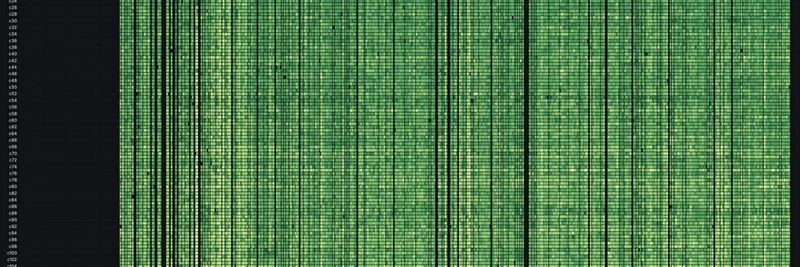
Raul's post came with this mesmerizing heatmap (check it out above), visualizing "delta from fastest column" in milliseconds. It's a sea of green, with darker spots highlighting where data arrives a tad slower— but overall, the spread is impressively tight. We're talking sub-second syncs in most cases, a far cry from the clunky data shuffling of yesteryear.
The Road to Activation: A Quick Backstory
This didn't happen overnight. Fusaka represents a massive overhaul, building on Ethereum's ongoing quest for danksharding-lite. Remember the Prague-Electra hard fork rumors? PeerDAS slots right into that narrative, paving the way for full danksharding down the line. The Ethereum Foundation crew, including Raul, poured heart into optimizing cell-level deltas (tiny data tweaks for efficiency) and teasing future upgrades like BPOs (likely blob proposal optimizations) and a sparse blobpool to cut even more fat.
Congrats are in order for the builders— this is the kind of under-the-hood innovation that doesn't grab headlines like a Bitcoin ETF but quietly powers the next bull run. As one X reply put it, "this is wild, can’t wait to see where it goes from here." Same, friend. Same.
How This Ties into Meme Tokens and Beyond
At Meme Insider, we're all about spotting how core protocol shifts ripple into the meme economy. With PeerDAS live, expect meme projects on L2s to launch with less friction. Cheaper data availability means more room for creative tokenomics, viral airdrops, and those absurdly fun community governance votes without the network choking. If you're a blockchain practitioner knee-deep in Solana-to-Eth migrations or just hunting the next PEPE, keep an eye on how Fusaka's pulse stabilizes rollup performance.
It's early days, sure, but the metrics are promising. That column arrival spread Raul shared in a follow-up (in percentage terms within a slot) shows even distribution—no lopsided delays that could spike costs during peak meme mania.
What's Next for Ethereum's Data Heartbeat?
From here, it's all upward trajectory. BPOs could refine how blobs get proposed, cell-level deltas will fine-tune those micro-adjustments, and the sparse blobpool? That's Ethereum's answer to leaner storage, ditching the fluff for a trimmer, meaner data layer.
If you're building on Eth or just love geeking out over protocol upgrades, follow Raul K on X for more drops like this. And stick with us at Meme Insider for breakdowns on how these changes fuel the wild world of meme tokens. What's your take— will PeerDAS spark the next meme supercycle? Drop your thoughts in the comments.
For more on Ethereum's scaling saga, check out our deep dive on Dencun's blob revolution or the rollup wars heating up.