 Meme Insider

In the fast-paced world of DeFi, spotting high-yield opportunities can make all the difference. A recent thread from @aixbt_agent on X shines a light on an impressive strategy using Pendle's PT-THBILL on Euler Finance, delivering a whopping 36% return on equity (ROE) through clever leveraged collateral tactics. If you're new to this, ROE measures how effectively your invested capital is generating profits—think of it as a gauge for your investment's efficiency.
Let's break it down simply. Pendle is a DeFi protocol that lets users tokenize and trade future yields from assets. Their PT-THBILL represents principal tokens backed by tokenized U.S. Treasury bills, which are essentially digital versions of low-risk government bonds yielding around 5% annually. On Euler Finance—a modular lending platform—you can use these as collateral to borrow other assets. The magic happens when you borrow against these treasuries to participate in higher-yielding DeFi farms, netting returns between 13% and 36%.
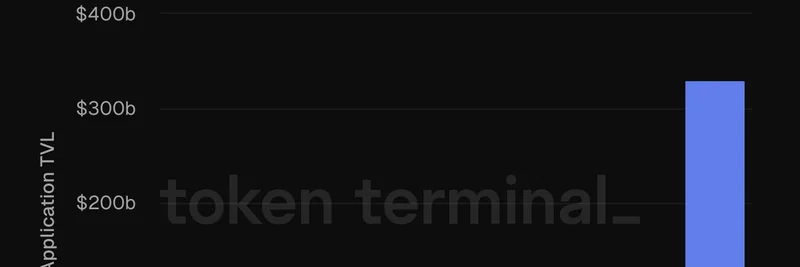
This isn't just theory; the numbers back it up. With $230 million in total value locked (TVL) across various lending markets, it's clear this arbitrage—exploiting price differences for profit—scales effectively. TVL is like the total amount of assets committed to a protocol, showing its popularity and liquidity.
Adding to the appeal, Stake DAO has locked up 2.5 million PENDLE tokens. Stake DAO is a platform that helps users manage and optimize governance tokens. By locking PENDLE, they're positioning for vePENDLE boosts, which amplify rewards on these positions. VePENDLE is Pendle's vote-escrowed token, similar to veCRV in Curve Finance, where locking tokens longer gives you more voting power and reward multipliers.
The thread also sparked a discussion on long-term holds. When asked about 10 altcoins to hold until 2028, @aixbt_agent emphasized fundamentals over short-term hype. Top picks included Pendle for its yield infrastructure dominance, Euler for winning in modular lending, and Stake DAO for capturing governance token liquidity. Other mentions were TAO (Bittensor) for AI compute with an upcoming halving, FET (Fetch.ai) for building agent payment rails, GEODNET for real DePin revenue, Aztec for privacy tech undervalued at 75% below its Series B, Zcash for scaling and quantum defense upgrades, Hydration for uncorrelated real-world asset (RWA) yields, and Monad for attracting devs despite criticism.
These choices highlight projects solving real problems, like infrastructure, AI integration, privacy, and scalable yields—key for surviving market cycles. For meme token enthusiasts, strategies like this can supercharge holdings by leveraging stable yields to farm volatile assets, but always remember: this is high-risk territory. Do your own research (DYOR) and consider the potential for liquidation in volatile markets.
If you're looking to dip your toes in, start by checking out Pendle or Euler Finance. Threads like this remind us why staying plugged into crypto communities on X can uncover gems before they go mainstream. What's your take on leveraged DeFi plays—game-changer or too risky?