 Meme Insider
Pi Network has been one of those crypto projects that sparks endless curiosity—think of it as the "people's coin" that's been quietly building a massive community since 2019. If you're dipping your toes into blockchain or just love a good underdog story, our deep dive into Pi Network is your go-to resource. As someone who's covered the wild ride of meme tokens and emerging tech at Meme Insider, I can tell you: Pi isn't your typical moonshot meme play, but it's got that viral energy that could shake things up in 2025.
Let's break it down simply. Pi Network aims to make cryptocurrency accessible to everyone, no fancy hardware required. Founded by a trio of Stanford grads—Nicolas Kokkalis, Chengdiao Fan, and Vince McPhilip—it's all about mobile mining. That's right: you "mine" Pi coins right from your smartphone app, without draining your battery or needing a rig that sounds like a jet engine. It's designed for the average person, not the tech wizards.
Why the hype now, heading into 2025? Pi's user base has exploded to over 50 million pioneers (that's what they call users), and whispers of a mainnet launch keep the buzz alive. But is it legit, or just another promise in the crypto ether? Our full analysis cuts through the noise: we look at the tech stack (it's built on a modified Stellar Consensus Protocol for energy efficiency), the tokenomics (supply caps and community-driven distribution), and real-world hurdles like regulatory scrutiny and delayed launches.
For beginners, mobile mining is a game-changer. Download the app, verify your profile, and start earning Pi every 24 hours by tapping a button. It's like passive income meets social networking—invite friends to boost your rate, and watch your balance grow. No wonder it's caught fire in emerging markets where traditional mining is out of reach.
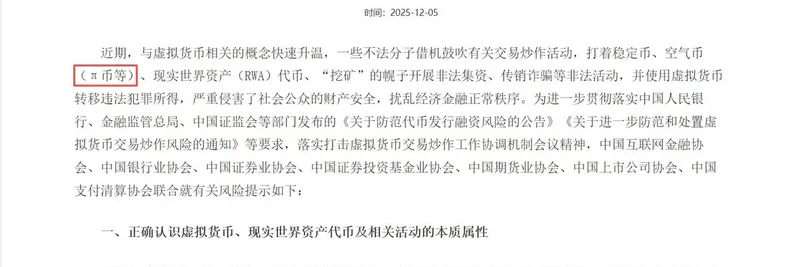
Of course, no crypto tale is complete without risks. Pi's still in its enclosed mainnet phase, meaning you can't trade or cash out yet. Scams masquerading as Pi exchanges pop up like weeds, so stick to official channels. Our guide flags the red flags and shares tips to stay safe while you stack those coins.
Looking ahead, 2025 could be Pi's breakout year. With blockchain adoption surging—think DeFi integrations and real utility in payments—Pi's focus on inclusivity positions it well. Imagine seamless remittances or micro-payments powered by a coin mined on your phone. It's not just speculative; it's a bet on democratizing finance.
Whether you're a seasoned trader eyeing the next big listing or a newbie curious about crypto without the complexity, this Pi Network breakdown equips you with the facts. Dive in, mine a little, and join the conversation: what's your take on Pi's potential? Drop your thoughts below—we're building the ultimate knowledge base here at Meme Insider.
For more on trending tokens and blockchain deep dives, subscribe to our newsletter and never miss an update.