 Meme Insider
In a recent post on X, Mert, the CEO of Helius Labs—a leading provider of Solana RPCs, data, and MEV infrastructure—shared a thought-provoking take on blockchain scaling. He argues that privacy isn't just a nice-to-have feature; it's the fundamental driver for true scalability in crypto, much like how the shift from HTTP to HTTPS unlocked e-commerce on the internet.
Here's what Mert posted: "privacy is actually how you scale blockchains
it's not just TPS and latency
in the early days of the internet, companies wouldn't do commerce on it because of the lack of privacy
when we went from http -> https, the internet scaled
same will happen with crypto"
This analogy hits home. TPS stands for transactions per second, a common metric for measuring blockchain performance, like how fast a network can process trades or transfers. Latency refers to the delay in confirming those transactions. While these are crucial, Mert points out they're not the whole story. Without privacy, users and businesses hesitate to fully engage, just as early internet users avoided online shopping due to security fears.
Think about it: in the 1990s, the internet was buzzing with potential, but without encryption protocols like HTTPS (Hypertext Transfer Protocol Secure), sensitive data like credit card numbers were transmitted in plain text, vulnerable to interception. Once HTTPS became standard, adding that layer of privacy and security, online commerce exploded. Today, it's hard to imagine the web without it.
Applying this to crypto, blockchains like Solana—home to a vibrant ecosystem of meme tokens—are pushing boundaries on speed and cost. Solana's high TPS and low latency make it a hotspot for meme coin launches, where communities rally around fun, viral projects like dog-themed tokens or celebrity-inspired coins. But as these memes gain traction, so do the risks. Public ledgers mean every transaction is traceable, exposing users to potential tracking, front-running by bots, or even real-world doxxing.
Mert's insight suggests that integrating robust privacy features could be the catalyst for mass adoption. Imagine meme token traders swapping assets without worrying about their wallets being spied on, or developers launching projects anonymously to focus on innovation rather than personal exposure. Projects like Monero, Zcash, or even emerging privacy layers on Solana could pave the way.
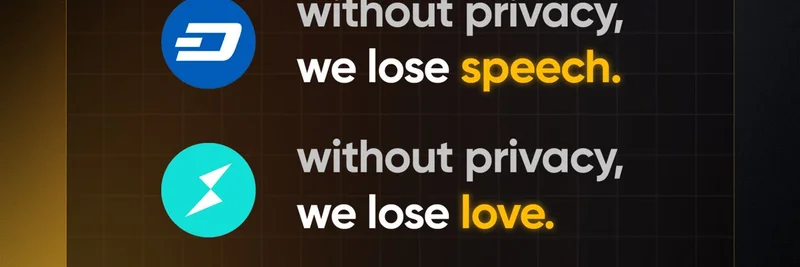
One reply to Mert's post captured this sentiment visually:
It highlights how without privacy, we risk losing money (through exploits), speech (censorship via tracking), love (personal relationships exposed), and freedom (surveillance states). This resonates deeply in the meme token space, where anonymity fuels creativity and protects participants in a high-stakes, often satirical environment.
As meme tokens continue to dominate headlines on platforms like Solana, prioritizing privacy could not only scale the tech but also foster safer, more inclusive communities. If history repeats itself, crypto's "HTTPS moment" might be just around the corner, unlocking unprecedented growth.
For more on this discussion, check out the original post here. What do you think—will privacy be the game-changer for blockchain scaling?