Meme Insider
Hey folks, if you've been keeping tabs on the stablecoin scene, you know it's heating up faster than a bull market meme coin. Ripple's RLUSD just dropped a milestone that's got the crypto world buzzing: it's now sitting pretty at a $1.1 billion market cap on Ethereum. Yeah, you read that right—Ethereum, not just Ripple's home turf on the XRP Ledger (XRPL). And according to crypto commentator Wendy O, this move might be the smartest play Ripple's made in ages. Let's break it down and see why this could be a blueprint for every top 100 project out there.
The RLUSD Surge: Numbers Don't Lie
First off, a quick explainer for the uninitiated: A stablecoin like RLUSD is a type of cryptocurrency pegged to a stable asset—usually the US dollar—to keep its value steady amid the wild swings of crypto prices. Ripple launched RLUSD back in late 2024 as part of its push into the stablecoin arena, aiming to bridge traditional finance with blockchain efficiency. But here's the kicker: While it's native to XRPL, Ripple didn't stop there. They deployed it on Ethereum too, tapping into the world's biggest DeFi (decentralized finance) ecosystem.
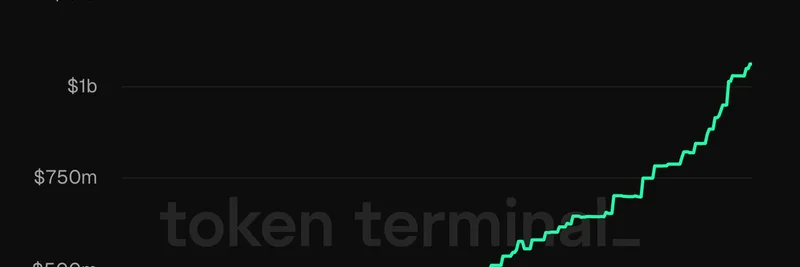
The results? Explosive. As highlighted in the chart from Token Terminal, RLUSD's market cap on Ethereum has been on a steady climb, crossing that billion-dollar mark recently. That's not just hype—it's real liquidity flowing in, with users parking their funds for yield farming, payments, or just safe harbor during volatility. For context, that's putting RLUSD in the same league as heavyweights like USDC and USDT on Ethereum, but with Ripple's regulatory polish (they're already compliant in key jurisdictions).
Why Ethereum? Simple: It's where the action is. Ethereum hosts over 60% of DeFi's total value locked (TVL), according to DefiLlama. Developers, liquidity providers, and everyday users are already there building dApps, swapping tokens, and earning rewards. By launching RLUSD on ETH, Ripple isn't reinventing the wheel—they're greasing it for smoother rides across chains.
The Big Lesson: Go Multi-Chain or Go Home
Wendy O nails it in her take: "The smartest thing Ripple did was put RLUSD on Ethereum and XRPL. There is a big lesson that many other top 100 crypto projects should take from this." And she's spot on. Too many projects get tunnel vision, obsessing over their native chain while ignoring where users actually hang out. Remember when Solana tried to go it alone early on? It worked for memes and speed demons, but even they bridge to Ethereum now for broader reach.
This multi-chain vibe is the future of blockchain. XRPL shines for its lightning-fast, low-cost transactions—perfect for cross-border payments, Ripple's bread and butter. But Ethereum? That's the DeFi powerhouse, the NFT hub, the layer-2 innovation lab. Pairing them lets RLUSD leverage XRPL's efficiency for issuance and Ethereum's composability for everything else. It's like having a sports car for the highway and a subway pass for the city—best of both worlds.
For meme token fans (hey, that's us at Meme Insider), this hits close to home. We've seen viral hits like $DOGE or $PEPE explode on one chain, only to fizzle when liquidity dries up. Imagine if they bridged early to Ethereum or Solana? More traders, more volume, more moonshots. Ripple's showing that interoperability isn't optional—it's survival. Tools like Wormhole or LayerZero make cross-chain swaps seamless, so why not use 'em?
What This Means for XRP and the Broader Ecosystem
Don't sleep on the XRP angle here. RLUSD's success could supercharge demand for XRP as a bridge asset on XRPL. More stablecoin inflows mean more transaction volume, which juices XRP's utility. And with Ripple's ongoing SEC saga behind them (settled in 2024, for those living under a rock), this feels like vindication. Stablecoins are crypto's killer app—low-risk entry points that onboard normies without the Bitcoin rollercoaster.
Looking ahead, expect copycats. Projects like Circle's USDC already span chains, but Ripple's aggressive multi-chain push sets a high bar. Will Aave or Uniswap integrate RLUSD next? Or will we see meme-inspired stables popping up with similar strategies? One thing's clear: In a fragmented blockchain world, liquidity fragmentation is the enemy. Ripple just reminded everyone to build bridges, not walls.
Wrapping It Up: Your Move, Crypto World
Ripple's RLUSD on Ethereum isn't just a win for them—it's a wake-up call. If you're a dev, trader, or meme lord building in this space, ask yourself: Where's your liquidity living? Multi-chain isn't a buzzword; it's the path to adoption. Drop your thoughts in the comments—would you ape into RLUSD, or got a better stablecoin play? Follow us at Meme Insider for more on how memes meet mainstream finance.
Stay savvy, stay stacked. 🚀