Meme Insider
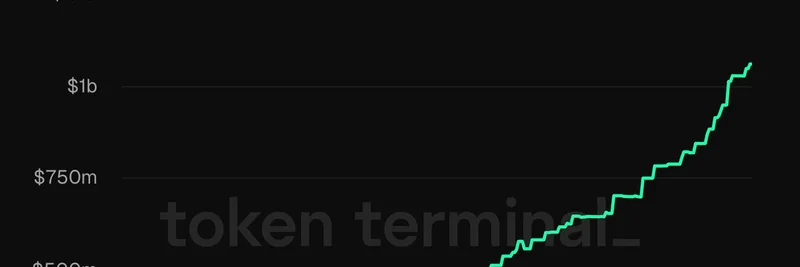
In the ever-evolving world of cryptocurrency, stablecoins stand as the unsung heroes, offering a bridge between the wild volatility of tokens like Bitcoin and the steady reliability needed for everyday transactions and DeFi applications. Ripple, the blockchain giant behind XRP, has been making waves—not just with its cross-border payment solutions but now with its latest venture into the stablecoin arena. If you missed it, @TokenTerminal recently highlighted a milestone that's got the crypto community buzzing: Ripple's RLUSD stablecoin on Ethereum has climbed to an impressive $1.1 billion market cap.
For those new to the space, a stablecoin is essentially a digital asset pegged to a stable fiat currency, like the US dollar, to minimize price swings. RLUSD fits this mold perfectly, backed by reserves of cash, US government bonds, and other low-risk assets, ensuring its value hovers around $1. But what sets this apart is its deployment on Ethereum, the king of smart contract platforms, opening doors to seamless integration with decentralized finance (DeFi) protocols, NFTs, and more.
Let's break down the chart that's fueling the excitement. The graph shows the outstanding supply of RLUSD over time, starting from a modest base in April 2025 and rocketing upward in a steady green line. By October 2025, it had surged past $1 billion, hitting $1.1 billion in the latest data point. This isn't just growth; it's exponential adoption. Imagine starting with under $250 million and more than quadrupling in six months—that's the kind of traction that signals real-world utility.
Why Ethereum, you ask? Ripple's choice makes strategic sense. While XRP Ledger has been Ripple's home turf, Ethereum's vast ecosystem—think Uniswap for swaps, Aave for lending—provides instant liquidity and interoperability. RLUSD users can now park funds in yield farms, collateralize loans, or even bridge assets to other chains without the headaches of traditional conversions. It's like Ripple saying, "We're not just playing in our sandbox anymore; we're joining the biggest playground in town."
This milestone comes at a pivotal time for stablecoins. With giants like Tether (USDT) and USD Coin (USDC) dominating over 90% of the market, newcomers face stiff competition. Yet RLUSD's focus on regulatory compliance—it's issued through Ripple's licensed subsidiaries and adheres to strict transparency standards—could appeal to institutions wary of the scrutiny facing some rivals. Remember the 2024 stablecoin hearings in Congress? Stability and oversight are hotter topics than ever, and Ripple's track record with the SEC might just give RLUSD an edge.
For blockchain practitioners and DeFi enthusiasts, this isn't just a number on a chart; it's a signal of maturing infrastructure. Higher market cap means deeper liquidity, which translates to tighter pegs, lower slippage in trades, and more efficient capital flows. If you're building dApps or trading on-chain, keep an eye on RLUSD—it could soon become a go-to for Ethereum-based strategies.
Looking ahead, whispers in the community suggest expansions to other blockchains like Solana or even Bitcoin sidechains. Could RLUSD challenge the duopoly? Only time will tell, but with $1.1 billion already in circulation, Ripple's stablecoin experiment is proving anything but stable in its ambitions.
What do you think—will RLUSD carve out a niche in the stablecoin wars, or is it just another drop in the ocean? Drop your thoughts in the comments, and stay tuned to Meme Insider for more on the tokens (meme or otherwise) shaping tomorrow's blockchain landscape.