 Meme Insider

Imagine rising from the bustling, challenging streets of Delhi to helm one of the most influential blockchains in the world. That's the story of Sandeep Nailwal, co-founder of Polygon, and it's not just a tale of success—it's a blueprint for resilience, innovation, and a fierce commitment to individual freedom in the Web3 era.
In a riveting one-hour conversation on the "When Shift Happens" podcast hosted by Kevin from @KevinWSHPod, Sandeep opens up about his improbable path, his bold bets on decentralized technologies, and the urgent need to counter centralized power structures. If you're a blockchain builder, a crypto enthusiast, or just curious about how tech can empower the everyday person, this chat is packed with gems that could reshape your view of the future.
The Making of a Blockchain Visionary
Sandeep didn't start with silver spoons or Ivy League pedigrees. Growing up in a modest family in Delhi, he faced hardships that would break most people. "It was tough," he shares candidly, crediting those early struggles with forging his unyielding drive. That grit propelled him from software engineering gigs to co-founding Polygon in 2017—a layer-2 scaling solution for Ethereum that's now processed billions of transactions and become a cornerstone for dApps worldwide.
But Sandeep's story isn't about personal glory. It's about sovereignty. "I want individuals to control their own data and destiny," he emphasizes. In a world where Big Tech hoards power, Polygon isn't just scaling blockchains; it's building the infrastructure for true digital independence.
Revolutionizing Payments: The "Next Revolut" for Crypto
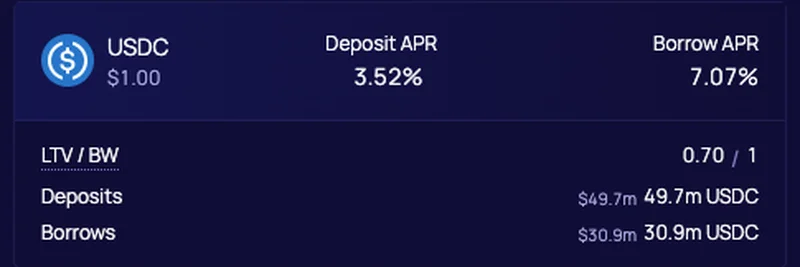
One of the podcast's standout segments dives into Polygon's aggressive pivot toward fintech. Stablecoins, those digital dollars pegged to fiat currencies like USDC or USDT, are exploding in adoption. Sandeep envisions them as the backbone of a new global payments system—faster, cheaper, and borderless.
Picture this: A "next Revolut" app, but fully crypto-native. No banks, no intermediaries, just seamless on-chain transfers. Polygon is doubling down on stablecoin rails, integrating them into everyday finance. "We're making crypto practical for the masses," Sandeep says. With tools like the AggLayer—a unifying protocol for Web3 interoperability—Polygon aims to stitch fragmented blockchains into a cohesive ecosystem. Developers, take note: This could be your ticket to building the next unicorn in DeFi payments.
Defending Freedom with Decentralized AI
If payments are Polygon's present, decentralized AI is its audacious future. Enter SentientAGI, Sandeep's brainchild designed to democratize artificial intelligence. Why? Because centralized AI—from giants like OpenAI or Google—poses existential risks. "These black boxes control narratives and decisions," Sandeep warns. "We need AI that's open, verifiable, and owned by the community."
SentientAGI flips the script: It's a decentralized network where intelligence emerges from collective, trustless computation. Think of it as AI with blockchain's superpowers—immutable, transparent, and resistant to censorship. In Sandeep's view, this isn't just tech; it's a safeguard for humanity. As centralized powers consolidate, decentralized AI ensures no single entity can manipulate truth or economies.
Privacy Without Compromise: The Miden Edge
Privacy in crypto often means trade-offs—zk-proofs that slow things down or mixers that skirt regulations. Not anymore. Sandeep spotlights Miden, Polygon's zk-SNARK-powered VM that delivers Web2-level privacy in a fully trustless environment. "You get the speed and anonymity you need, without sacrificing security," he explains.
For users tired of surveillance capitalism, Miden is a game-changer. Whether you're a DeFi trader shielding your positions or a developer embedding privacy into apps, this tech lowers the barrier to confidential computing on chain.
Powering the Prediction Economy: Polymarket on Polygon
No discussion of Polygon's ecosystem is complete without Polymarket, the decentralized prediction market that's become the go-to for real-world event betting. Built natively on Polygon, it leverages the chain's scalability to handle massive volumes without gas fee nightmares.
Sandeep beams with pride: "Polymarket shows what Web3 can do—turning speculation into informed markets." From election odds to sports outcomes, it's democratizing forecasting, and Polygon's robust infrastructure keeps it humming.
Giving Back: Philanthropy in Crisis
Sandeep's impact extends beyond code. During India's brutal COVID-19 wave in 2021, he rallied the crypto community to raise over $470 million for oxygen supplies, vaccines, and aid. "Crypto isn't just about profits; it's about using tech for good," he reflects. This wasn't performative— it was Polygon Labs stepping up when governments faltered, proving blockchain's real-world utility.
Spotlight on Ecosystem Stars: Katana and Beyond
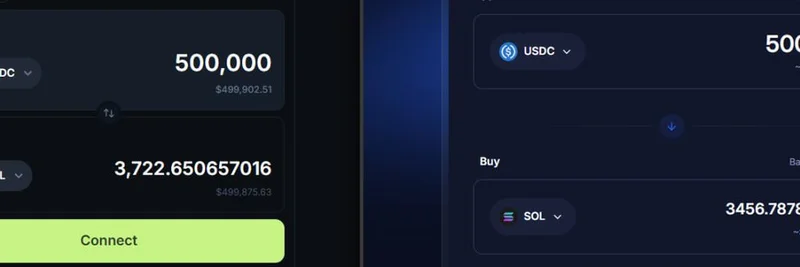
Sandeep doesn't hoard the spotlight. He shouts out Katana, the DeFi super app thriving on Polygon. "It's the one-stop shop for swaps, lending, and yield farming," he says. With intuitive UX and deep liquidity, Katana embodies Polygon's ethos: Make DeFi accessible, not elite.
Why This Matters for Meme Token Hunters and Web3 Builders
At Meme Insider, we're all about the wild, viral side of tokens—but even meme coins ride on solid rails. Polygon's innovations in scaling, privacy, and AI could turbocharge the next Dogecoin or PEPE run, making launches cheaper and communities more secure. If you're a practitioner eyeing the latest in blockchain tech, Sandeep's insights are pure fuel. Decentralized AI might even spawn meme-powered prediction markets—who knows what cultural firestorms await?
The full podcast drops this week on "When Shift Happens." Tune in for the unfiltered details, and let's chat in the comments: What's your biggest takeaway from Sandeep's vision? Will decentralized AI save us from Big Brother, or is it hype? Drop your thoughts below—we're building this knowledge base together.