 Meme Insider
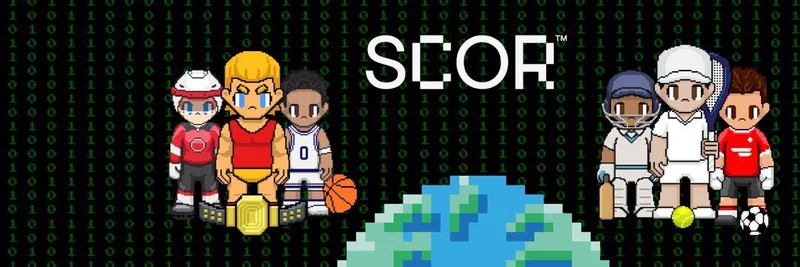
Sports have always been a massive force, uniting billions around the world through passion and competition. But when it comes to the digital side, things get messy—leagues operate in their own silos, platforms restrict access based on location, and fans often feel like outsiders looking in. That's the problem highlighted in a recent tweet from @SOLPlayboy, who points out how fragmented the digital sports landscape is.
In the original tweet, @SOLPlayboy explains why SCOR Protocol is a game-changer. Instead of just another fantasy sports app or NFT marketplace, SCOR is crafting an open sports layer on blockchain. This means bringing real intellectual property (IP)—think athlete likenesses, team brands, and more—onto the chain, making it accessible to fans everywhere, without borders or gatekeepers.
What Makes SCOR Protocol Stand Out?
At its core, SCOR is a peer-to-peer network designed for "programmable fandom." Built by Sweet, a company with ties to major leagues like the NHL and MLS, SCOR turns fan engagement into verifiable on-chain assets. Imagine proving your skills in games or challenges and getting rewarded for it—that's verifiable fan skill in action. It's not just about watching; it's about participating and owning a piece of the action.
The protocol registers sports IP as programmable assets on a universal ledger. This allows IP holders, like athletes or teams, to set rules for how their assets are used, generating yields while protecting their rights. Fans can interact with these assets in dynamic ways, from collecting digital items to unlocking exclusive content.
The $SCOR Token: Fueling the Fan Economy
Central to this ecosystem is the $SCOR token, built on the TON blockchain for speed and scalability. It's a rewards token with a deflationary model: one-third goes to community rewards for fans, another third is burned through in-app purchases, and the last third funds the treasury for growth and onboarding more IP.
Fans earn $SCOR by showcasing their skills in interactive challenges and games. Then, they can spend it to access special features, like digital collectibles or real-world perks tied to sports events. This creates a flywheel effect: more engagement leads to more rewards, which boosts asset values and attracts even more participants.
Recent developments include integrations with Telegram for a sticker store and sports-themed packs, making it easy for users to jump in. SCOR has seeded IP from big names like cricket stars Ben Stokes and Pat Cummins, tennis pros Naomi Osaka and Aryna Sabalenka, and more, setting the stage for a truly global lineup.
Why This Matters for Web3 and Meme Tokens
In the world of Web3, where open ecosystems are key, SCOR provides a blueprint for turning siloed markets into a universal economy. Fan interactions become portable across platforms, collectibles evolve dynamically, and communities thrive without needing permission from big tech.
While SCOR isn't purely a meme token, its community-driven rewards and viral potential—especially with sports memes and fan rivalries—fit right into the meme token space. On platforms like Solana (where buzz often starts), projects like this bridge traditional sports with blockchain hype, potentially sparking meme-worthy moments.
Looking Ahead: SCOR's Roadmap
SCOR is rolling out in phases. Phase 1 focuses on core fan engagement modules, Phase 2 introduces an SDK for developers to build on top, and Phase 3 launches the SCOR L1 mainnet—a dedicated blockchain for the global fan economy.
If you're a blockchain enthusiast or sports fan, keep an eye on SCOR. It's not just about digitizing sports; it's about empowering fans and creators in a fair, inclusive way. For more details, check out the official site at scor.io. As the tweet suggests, this could be the start of something huge in the intersection of sports and blockchain.