 Meme Insider
If you're diving into the world of meme tokens on Solana, understanding how to build efficient applications is crucial. Solana's high-speed blockchain makes it a hotspot for meme coin launches, but getting the architecture right can make or break your project. Recently, Noah from Helium shared a detailed thread on X about his experiences with various Solana app architectures over the past few years. Let's break it down in simple terms and see how it applies to meme token creators.
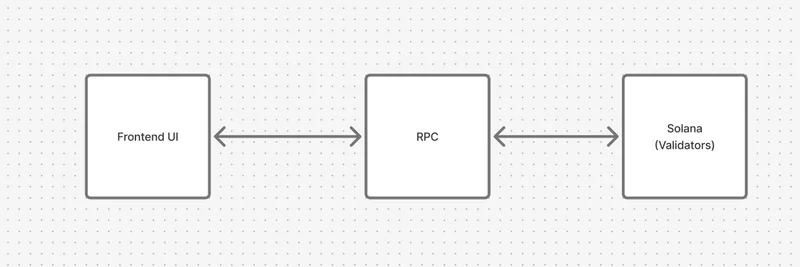
Noah starts with the basics: a straightforward setup where your React frontend connects directly to a Solana RPC (Remote Procedure Call). Think of RPC as the gateway to the blockchain—it's like your app's direct line to Solana's data. In this mode, there's no need for a separate API server; the RPC handles everything. You might use commands like getAccountInfo to fetch data, and later add caching or batching with getMultipleAccounts for better performance. Websockets and polling keep the UI updated in real-time.
This approach is perfect for quick prototyping, especially if you're bootstrapping a meme token dashboard or trading interface. Zero devops hassle, low costs—just deploy on something like Vercel. But as your meme token gains traction and user numbers spike, issues arise.
First up: complex queries. Solana's RPC treats the blockchain like a quirky NoSQL database. Simple point queries are fine, and you can get clever with PDAs (Program Derived Addresses) to navigate data like a graph. But for broader searches using getProgramAccounts (gPA), it's a headache—slow, not user-friendly, and useless for variable-length data. Your app might feel sluggish compared to traditional web apps, which isn't ideal when meme token hype demands lightning-fast updates.
Next, transaction construction portability. If all your logic is in the frontend or scattered libraries, reusing it elsewhere—like in bots or integrations—becomes painful. Updates mean republishing libraries and refreshing UIs, slowing down iterations on your meme token's smart contracts.
Then there's transaction submission: UIs aren't great at retries. Users navigate away, and poof—transactions fail. Debugging remote issues is tough, especially during viral meme token pumps when reliability matters most.
Finally, exposed RPC URLs invite abuse. Others can leech your credits, hiking costs—just like unwanted bots draining your meme token liquidity pools.
To tackle list queries without ditching the simple setup, Noah suggests a hybrid model. Keep the direct RPC for most things but offload tricky queries to an API server. For example, filtering governance proposals by tags (like "Economic" or "Technical") is impossible with gPA alone, so an API handles it.
This keeps prototyping speedy and solves slow gPAs at scale. However, it introduces indexers—services that scan the blockchain and store data for quick access. More on their pains later. It doesn't fix transaction portability or RPC theft, but it's a solid step for meme token apps needing advanced search features, like filtering top holders or trade history.
For the full "enterprise" stack, treat Solana as an event bus rather than a database. The frontend is blissfully ignorant of Solana's internals. Your server builds transactions, sends them to the UI for signing, submits them, and waits for indexers to update the data. This is like web2: snappy UIs with server-side rendering (SSR), easy transaction sharing via clean API params, and hidden RPCs to prevent leaks.
Pros are huge for meme token platforms: fast, modern apps with separated concerns. But cons include indexer woes—missed messages lead to UI glitches, like showing outdated ownership after an NFT transfer tied to your token. Debugging? A time sink—is it your code or the provider?
Timing issues crop up too. Indexers might lag, leading to transactions built on stale data that fail. Fast streams like Helius help, but then you handle reorgs (undoing indexed data on failed txs)—a nightmare for maintaining accurate meme token stats.
You could mix RPC for tx building and indexers for UI, but inconsistencies frustrate users. And costs? High. You're running centralized infra, which feels counter to web3's decentralized ethos. How "decentralized" is your meme token if everyone relies on your API?
Noah's take: Prioritize users. Enterprise setups deliver great experiences but add overhead. For startups in the meme space, start simple with direct RPC unless you need speed or complex queries upfront. Get to market fast—you can always scale later.
This thread is gold for anyone building on Solana, especially meme token devs. Check out the full discussion on X here. If you're experimenting with these architectures, share your tweaks in the comments!