 Meme Insider
If you've been keeping an eye on Solana, you might have noticed some big changes in how people are trading on the network. A recent report from SolanaFloor highlights a major shift: memecoins are losing steam, while real-world assets (RWAs)—think tokenized versions of things like stocks or commodities—are booming. This isn't just a blip; it's a sign that Solana's ecosystem is evolving, and it could have huge implications for meme token fans.
The data comes from a detailed analysis shared on X by @SolanaFloor, powered by insights from Step Finance. Let's break it down in simple terms.
Memecoins Take a Back Seat
Memecoins, those fun, viral tokens often inspired by internet jokes or trends, have been a huge part of Solana's hype. But over the last 100 days, their share of weekly decentralized exchange (DEX) volume has plummeted from 34.8% to just 9.1%. DEXs are platforms where you can swap tokens directly without a middleman, like trading cards with friends online.
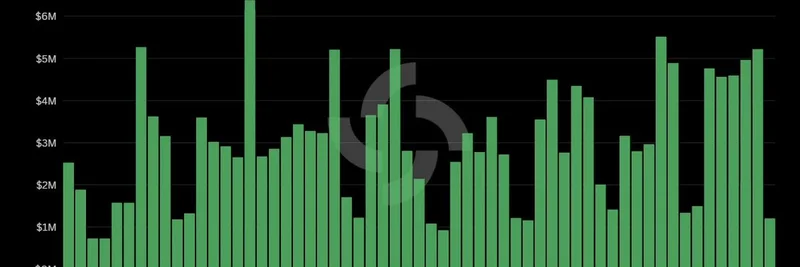
Despite the drop, Solana's overall activity hasn't slowed down. Weekly DEX volume is still holding strong above $18.6 billion, with memecoins alone contributing about $1.7 billion. That's still a lot of action, but it shows liquidity—basically, the money flowing around—is moving elsewhere.
New memecoin launches have also halved, from over 220,000 per week to under 110,000. Platforms like Pump.fun are capturing a bigger slice of what's left, which might mean fewer but potentially stronger projects emerging.
The Rise of RWAs and Perps
So where's all that energy going? A big chunk is flowing into RWAs, which have grown a whopping 240% since early August. RWAs bring real-world value onto the blockchain by tokenizing assets like stocks or bonds, making them easier to trade 24/7 without traditional barriers.
Tokenized stocks on Solana have crossed $100 million in 30-day volume, with traders turning to platforms like xStocks and Remora for that stock-market feel on-chain.
Perpetual futures (perps), which are contracts letting you bet on price movements without owning the asset, are also hitting all-time highs. Weekly perp volume reached $17.9 billion, up from $4.5 billion just six months ago. Pacifica is leading the pack here, grabbing the largest share.
Changing Trade Sizes Tell a Story
Looking at trade sizes gives more clues about who's still active. Mid-sized trades ($1,000 to $10,000) have risen to 37% of activity, suggesting committed retail traders—everyday folks like you and me—are sticking around. Smaller trades under $1,000 have dipped below 29%, hinting that casual players, often chasing quick memecoin flips, are pulling back.
Even trading bots focused on memecoins are feeling the pinch. Axiom's daily volume has crashed from $174 million to under $34 million, with revenue down 84%.
What This Means for Meme Token Enthusiasts
For those of us in the meme token world, this shift could be a wake-up call. While memecoins aren't disappearing, the market is maturing. Liquidity is rotating into more stable, utility-driven areas like SOL-stablecoin pairs, project tokens, Bitcoin exposure, and especially RWAs.
This might lead to fewer pump-and-dump schemes and more sustainable growth. If you're building or investing in meme tokens, focusing on real community value or tying into RWAs could be the way forward.
For the full deep dive, check out the original report on StepData Substack. What's your take on this trend? Is it the end of the memecoin era on Solana, or just a healthy pivot?