Meme Insider
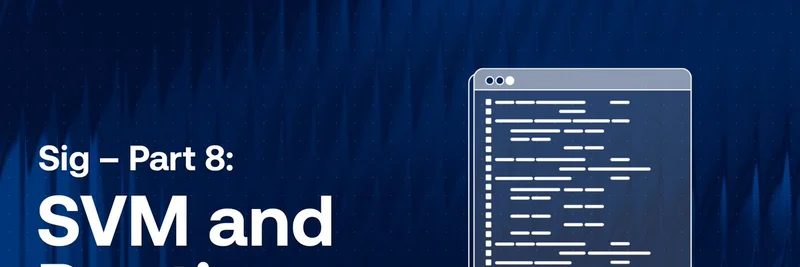
If you're knee-deep in the Solana ecosystem, you've probably heard the buzz around validator clients. They're the unsung heroes keeping the network humming, processing transactions at breakneck speeds. But here's the exciting part: Syndica just dropped a massive update on their Sig project, Solana's third validator client implementation. They've nailed the SVM (Solana Virtual Machine) and runtime setup, and it's a game-changer for performance and decentralization.
In a recent thread on X, Syndica shared the details, and it's worth unpacking for anyone building on or validating in Solana. Let's break it down step by step, keeping things straightforward—no PhD in cryptography required.
The Core Job of a Solana Validator
At its heart, every Solana validator does two things: execute transactions and update account states. Sounds simple, right? Wrong. The runtime—the software handling this magic—is a beast of complexity, juggling parallel processing, security, and scalability.
Syndica's thread kicks off by zooming into "replay," the runtime's main engine. Replay pulls blocks from the ledger and feeds them into the system. It's like the conductor of an orchestra, ensuring everything syncs without missing a beat. For Sig, getting this right means validators can catch up faster during network hiccups or bootstraps.
Parallel Power: Block and Transaction Processing
Next up: the block processor. This is where Solana shines with its parallel execution model. Unlike sequential chains, Solana batches transactions into blocks and processes non-conflicting ones simultaneously. Sig's implementation handles this with finesse, optimizing for throughput.
Then there's the transaction processor, packed with Solana quirks. Think address lookups, fee calculations, and signature verifications—all while maintaining atomicity (transactions either fully succeed or fully fail). Mess this up, and you risk forks or lost funds. Syndica emphasizes how they've tuned these details to match Solana's high-velocity demands.
Down to the Bytes: Instruction Processor and sBPF VM
Drilling deeper, the instruction processor executes the actual program logic. Solana programs (smart contracts) run in the sBPF virtual machine—a sandboxed environment inspired by Berkeley Packet Filter, but supercharged for blockchain.
This is where code meets crypto. Instructions get compiled to sBPF bytecode, then interpreted or JIT-compiled for speed. Sig's take ensures low-latency execution, critical for DeFi apps or meme token launches that need sub-second confirmations.
Performance Edge: ZK SDK That Flies
The real flex? Sig's zero-knowledge (ZK) SDK. For those new to ZK: it's math that proves computations without revealing inputs—think privacy shields for transactions. Syndica's version outpaces Agave (Solana Labs' client) and rivals Firedancer, thanks to:
- SIMD-Optimized Crypto: Using Single Instruction, Multiple Data for Edwards25519 and Ristretto255 curves—faster elliptic curve ops for signatures.
- Zero Heap Allocations: No dynamic memory grabs during proofs, slashing latency.
- Smart MSM Ordering: Multi-scalar multiplication tweaks that crunch numbers efficiently.
This isn't just nerdy trivia; it means cheaper, quicker ZK rollups on Solana, opening doors for scalable meme ecosystems or privacy-focused tokens.
Why This Matters for Solana (and Meme Builders)
Solana's push for multiple validator clients like Sig combats centralization risks. If one client dominates, a bug could halt the chain. With Sig live, we're in a multi-client era—more resilient, diverse, and innovative.
For meme token creators and traders: faster runtimes mean snappier launches, lower fees during pumps, and smoother integrations with ZK tools for anonymous airdrops. It's the kind of infra upgrade that keeps Solana ahead in the meme coin race.
Head over to the full Sig Engineering Part 8 blog post for code snippets and deeper dives. If you're validating or coding on Solana, Sig's open-source repo is a goldmine.
What do you think—will multi-client setups supercharge Solana's meme meta? Drop your takes in the comments. Stay tuned to Meme Insider for more on blockchain tech powering the wild world of tokens.