Meme Insider
The Solana ecosystem just got a major upgrade with a fresh proposal for a permissionless Token Access Control List (ACL) standard. As shared in a recent tweet from SolanaFloor, this innovation lets token issuers implement allowlists or blocklists without messing up the user experience or requiring custom programs. It's a game-changer for handling regulated assets like stablecoins, tokenized securities, and even gated governance systems.
What is Token ACL?
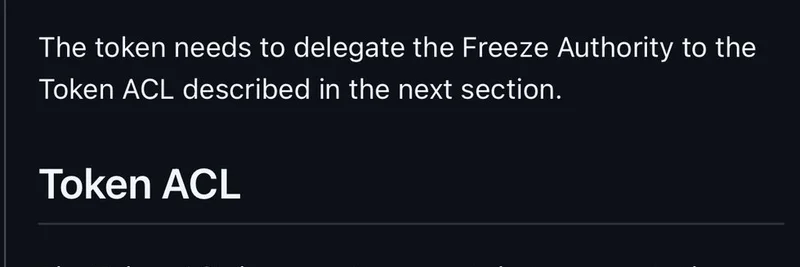
At its core, Token ACL builds on Solana's Token-2022 standard, which introduces extensions like the Default Account State. This proposal requires tokens to delegate their freeze authority to a smart contract called the Token ACL. Think of freeze authority as the power to lock or unlock token accounts—essentially pausing transfers if needed.
The Token ACL isn't just about basic freezing and thawing. It augments the freeze capabilities by allowing issuers to define custom rules through a gate program. This means you can set up business logic, like only allowing certain addresses to hold or transfer tokens, all without the issuer having to manually intervene every time. It's permissionless, so users can thaw their accounts on their own if they meet the criteria, keeping things smooth and decentralized.
For those diving deeper, the full details are available in the Token ACL GitHub repository, where it's described as implementing sRFC 37 for efficient block/allow list tokens.
How Does It Work in Practice?
Let's break it down simply. When creating a token under this standard, the issuer sets up the Token ACL as the freeze authority. Then, a gate program—basically a smart contract—handles the logic for who gets access.
- Allowlists: Only approved addresses can interact with the token.
- Blocklists: Certain addresses are barred, useful for compliance or anti-scam measures.
- Permissionless Operations: Users don't need to wait for the issuer to approve thaws; if they pass the gate's rules, it's automatic.
This setup supports extra account metas, meaning the gate can pull in additional data for decisions, like checking NFT ownership or other on-chain info. It's all about making tokens more flexible while staying compliant.
Benefits for the Meme Token Community
Meme tokens thrive on Solana due to its speed and low fees, but they've often lacked sophisticated control mechanisms. Token ACL could change that. Imagine a meme token project where holders need to stake a certain amount or hold a specific NFT to participate in governance—Token ACL makes gating that access straightforward.
For issuers, it's a tool to enforce rules without deploying heavy custom code, reducing development overhead. In the wild world of memes, where rugs and scams can pop up, blocklists could help freeze suspicious accounts quickly. Plus, for memes aiming to go mainstream or integrate with real-world assets, this paves the way for better compliance without sacrificing decentralization.
It also keeps the ecosystem composable, meaning protocols like DEXs or wallets don't have to change how they handle these tokens. No more friction for traders or holders.
Looking Ahead
This proposal aligns with Solana's push for more advanced token features, as seen in extensions for privacy and metadata. While it's geared toward regulated assets, its permissionless nature opens doors for creative uses in the meme space. Keep an eye on the Solana developer forums for ongoing discussions.
If you're building on Solana, tools like the Token ACL CLI and example gate programs (like always-allow or always-block) make experimentation easy. This could be the start of more secure, versatile meme tokens that stand out in a crowded market.