 Meme Insider
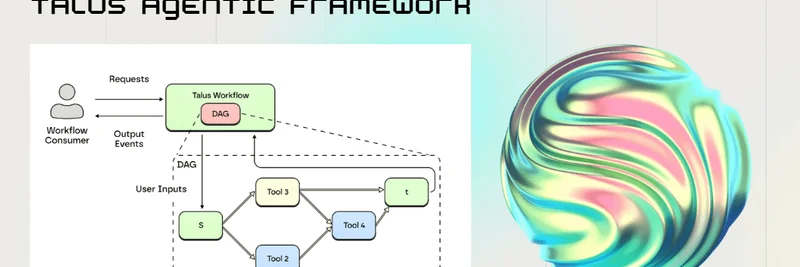
Talus Labs is quietly building what could be the backbone for the next wave of blockchain innovation: a decentralized automation platform designed for AI agents that actually own their actions. If you've ever felt locked into tools like Zapier or n8n—where your workflows vanish if the service glitches or hikes prices—you know the pain. Talus is flipping that script with Nexus, turning automation into public infrastructure anyone can trust, verify, and monetize.
Let's break it down. The quoted thread from Alex Wacy nails the opportunity: traditional automation is a massive market (think $20B+ annually), but it's riddled with centralization woes. Outages kill productivity, opaque servers hide what's happening under the hood, and you never truly own the automations you build. Add AI agents to the mix, and those agents are just fancy front-ends for someone else's walled garden.
Enter Nexus by Talus Labs. It's like a decentralized version of n8n or Zapier, but built for the onchain world. Workflows here run as verifiable directed acyclic graphs (DAGs)—fancy term for step-by-step processes that can't be faked or altered. Every swap, model call, or oracle query leaves an immutable receipt on the blockchain. No more black-box magic; everything's transparent and auditable.
At its core, Nexus breaks things into three layers:
- Tools: Bite-sized, atomic actions like token swaps, AI model inferences, or data pulls from oracles.
- Workflows: Chains of these tools linked by custom logic—your marketing funnel or trading bot, but onchain.
- Agents: Autonomous entities that kick off workflows without needing a human babysitter. These aren't just scripts; they're onchain actors that can transact, earn, and evolve.
This setup isn't just theoretical. Talus has already deployed Nexus and introduced Talus Vision, a no-code builder and marketplace for agent tools. Imagine dragging and dropping to create a million-dollar onchain automation—similar to how no-code platforms democratized web2 marketing funnels. But here, decentralization means no vendor lock-in, and the network captures the value.
That's where the $US token comes in. It's the fuel for the entire ecosystem: paying execution fees, staking for priority access, and eventually governing the platform. As more agents spin up automations, demand for $US ramps up. Early users get tokens at the upcoming TGE (token generation event), with staking pools offering up to 300% APR. The team even plans to launch the yield-bearing $yUS token fully onchain via Nexus vaults—talk about eating your own dog food.
Graeme from @gkisokay, a Talus partner, sums it up perfectly in his endorsement: "Decentralization + UX-friendly products that can generate income is a huge leap." He's spot on. Tools like Zapier pull in over $300M in revenue yearly, while n8n hit a $2.5B valuation on agentic workflows. Talus isn't reinventing the wheel; it's making it unstoppable and profitable for everyone involved.
The backing adds credibility too. Talus raised $10M from heavyweights like Polychain Capital, with support from Sui Network and Walrus Protocol. They're positioning at the sweet spot of AI agents, automation, and decentralized intelligence—sectors exploding as blockchain matures.
Why does this matter for meme token hunters and blockchain builders? In a world of hype-driven memes, projects like Talus represent the infra layer that could power the next viral agent economies. Think autonomous meme launchers that verify liquidity, airdrop fairly, and even meme-ify their own governance—all verifiable and fee-generating. It's not just tech; it's the enabler for wild, income-generating experiments onchain.
If you're dipping into AI agents or onchain automation, keep an eye on Talus' TGE. This could be one of those "I was there" moments in crypto history, where verifiable autonomy turns centralized headaches into decentralized goldmines. What's your take—ready to build your first Nexus workflow?