 Meme Insider
In the ever-evolving world of cryptocurrency, stablecoins like Tether's USDT play a crucial role, especially for traders diving into meme tokens on platforms like Solana. But recently, things got spicy when S&P Global Ratings decided to downgrade USDT to its lowest stability score. The reason? Tether's growing exposure to "risky" assets like Bitcoin and gold. If you're new to this, stablecoins are designed to hold a steady value, usually pegged to the US dollar, making them a safe haven in the volatile crypto seas.
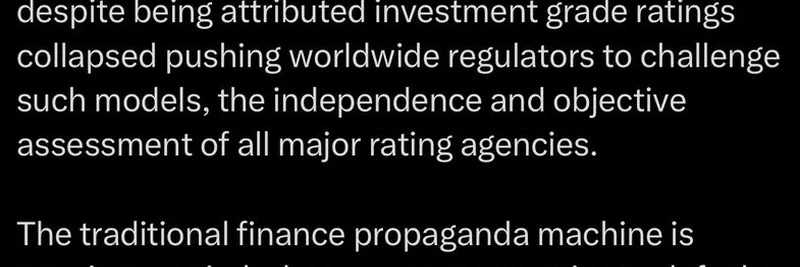
Tether CEO Paolo Ardoino didn't take this lying down. In a fiery post on X (formerly Twitter), he clapped back at the rating agency, saying, "We wear your loathing with pride." He went on to dismantle the traditional rating models, pointing out how they've historically led investors astray by pushing them toward companies that looked good on paper but collapsed spectacularly. Think of the 2008 financial crisis—those "investment grade" ratings didn't save anyone.
Ardoino argued that these models are built for a broken financial system that's terrified of innovation. "No company should dare to decouple itself from it," he wrote sarcastically. Instead, Tether has built what he calls the first overcapitalized company in finance, with no toxic reserves and massive profitability. It's like Tether is the emperor pointing out that the traditional system has no clothes— a clever nod to the famous fairy tale.
This downgrade comes as Tether's reserves have shifted. According to reports from CoinDesk, high-risk assets now make up nearly a quarter of their holdings, including Bitcoin, which has been volatile lately. S&P sees this as a threat to USDT's ability to maintain its $1 peg. But Tether counters with over $135 billion in US Treasuries and $13 billion in profits, emphasizing its real-world utility.
For meme token enthusiasts, this matters because USDT is often the go-to for trading on decentralized exchanges. A stablecoin under fire could ripple through the market, affecting liquidity for your favorite Solana memes. Yet, Ardoino's response shows confidence—Tether isn't just surviving; it's thriving outside the old guard's rules.
Why the Downgrade?
S&P's assessment scale for stablecoins ranges from "strong" to "weak," and USDT just hit rock bottom at "weak." They cite concerns over transparency in reserves and the volatility of assets like Bitcoin and gold. As Bloomberg notes, this reflects broader worries about how crypto intersects with traditional finance.
Tether's Defense
Tether isn't backing down. In a statement echoed in Ardoino's tweet, they highlight being over-reserved and profitable without relying on the flawed systems that rating agencies protect. It's a reminder that crypto is rewriting the rules, and not everyone in legacy finance is happy about it.
Implications for Crypto and Meme Tokens
This spat underscores the tension between old-school finance and blockchain innovation. For those in the meme token space, stablecoins like USDT provide the stability needed to ape into the next big thing without constant fiat conversions. If Tether weathers this storm—and history suggests it will—it could bolster confidence in decentralized finance (DeFi).
As we keep an eye on developments, remember: in crypto, ratings from traditional agencies might not hold the same weight. Tether's response? Pure pride in shaking up the status quo.
Stay tuned to Meme Insider for more updates on how this affects your portfolio and the latest in meme token trends.