 Meme Insider
In the ever-evolving world of cryptocurrency, stablecoins like Tether (USDT) play a crucial role in providing liquidity and stability. Recently, a tweet from Bitcoin strategist Sam Callahan highlighted a surprising fact: Tether purchased more gold last quarter than any central bank. This revelation has sparked discussions across the crypto community, raising questions about Tether's strategy and its broader impact on digital assets, including meme tokens.
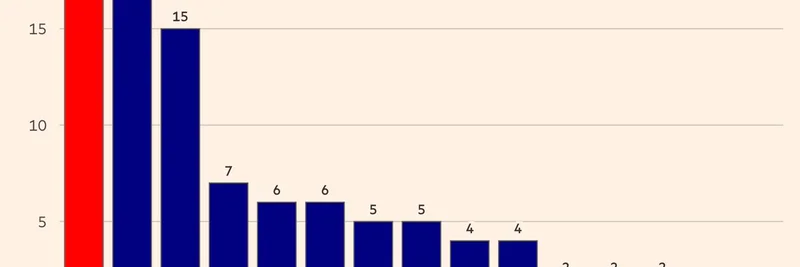
Tether, the issuer of the USDT stablecoin pegged to the U.S. dollar, has been diversifying its reserves. According to the chart shared in the tweet, Tether acquired 26 tonnes of gold, outpacing countries like Kazakhstan (18 tonnes) and Brazil (15 tonnes). Central banks typically buy gold to hedge against economic uncertainties, but seeing a crypto company lead the pack is a sign of how intertwined traditional finance and digital assets have become.
This move underscores Tether's efforts to back its stablecoin with tangible assets, enhancing trust among users. For meme token enthusiasts, this is particularly relevant because USDT is a staple in trading pairs on decentralized exchanges (DEXs) like Uniswap or Raydium. A more robust Tether could mean smoother transactions and less volatility in meme token markets, where quick pumps and dumps are common.
The thread on X (formerly Twitter) includes reactions that add depth to the conversation. One user, Will Clemente, simply responded with "Damn," capturing the surprise many felt. Another, from nazih, pointed out the asterisk in the data: "*Sovereigns as officially reported, so take China's in particular with advisement." This suggests China's actual gold acquisitions might be higher, as the country is known for underreporting. Sam Callahan replied, noting that "China's a black box," emphasizing the opacity in some nations' financial strategies.
Other replies highlight skepticism and humor. Bryan wondered why Tether is "buying yellow rocks," a nod to gold's traditional appeal versus digital assets like Bitcoin. Another user suggested it's time to "dump the old gold for the digital one," implying a shift toward cryptocurrencies. MedalloMooner observed that Tether is "out-buying sovereign nations" and hedging its success with gold, which could signal confidence in long-term crypto growth.
From a meme token perspective, Tether's gold strategy might indirectly boost the sector. Meme tokens thrive on hype and liquidity, often fueled by stablecoins. If Tether's reserves grow stronger, it could attract more institutional interest to crypto, trickling down to fun, community-driven projects like Dogecoin or newer Solana-based memes. However, it also raises questions about centralization—after all, Tether is a private company outpacing governments in asset accumulation.
For blockchain practitioners, this news is a reminder to diversify and understand the underlying mechanics of stablecoins. If you're trading meme tokens, keeping an eye on Tether's moves via their transparency reports can provide insights into market stability. As the crypto space matures, blends of traditional assets like gold with digital innovations will likely become more common, offering new opportunities for growth.
This development also ties into broader trends, such as Bitcoin's role as "digital gold." With authors like Sam Callahan advocating for Bitcoin, Tether's gold buys might be seen as a bridge between old and new money systems. Whether you're a meme token holder or a serious investor, staying informed on these shifts can help navigate the volatile crypto landscape.