 Meme Insider
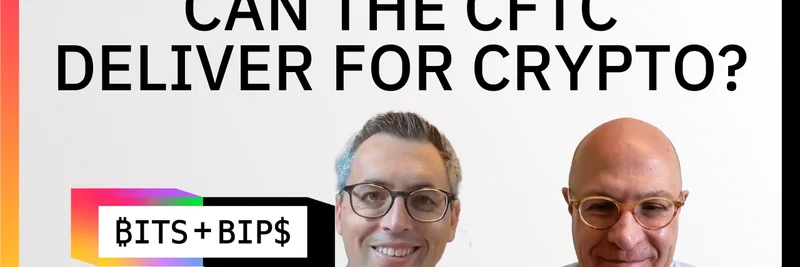
Crypto journalist Laura Shin recently shared a tweet highlighting a timely episode of the Bits + Bips podcast. Hosted by Steven Ehrlich and featuring former CFTC Chair Chris Giancarlo, the discussion dives into President Trump's nominee for CFTC chair, Mike Selig, and what it means for the crypto world. With Selig clearing the Senate Agriculture Committee, the episode unpacks everything from regulatory challenges to the future of prediction markets.
Why This Matters for Meme Tokens
Meme coins, those fun yet volatile tokens often inspired by internet culture like Dogecoin or newer ones on Solana, thrive in the wild west of crypto. But with potential CFTC oversight, things could get more structured. The CFTC, or Commodity Futures Trading Commission, regulates futures and derivatives—think betting on future prices without owning the asset. If Selig steps in, the agency might get more resources to handle crypto, which could mean clearer rules for spot markets (buying and selling tokens right now) and derivatives.
Giancarlo, often called "CryptoDad" for his pro-innovation stance during his tenure, emphasized that the CFTC needs a budget boost—potentially up to $150 million more—to oversee this space effectively. For meme token enthusiasts, this could reduce scams and pump-and-dump schemes that plague the sector, making it safer for retail investors to jump in.
Breaking Down the Senate Hearing and CFTC Challenges
The podcast kicks off with Giancarlo sharing his long history with Selig, who started as an intern in his office back in 2014. Selig's deep experience in CFTC law, combined with his work on digital assets, makes him a strong pick. The Senate hearing focused on whether the CFTC has the bandwidth for crypto, given its small staff of about 600 compared to the SEC's 5,000.
One key challenge? Crypto's unique trading structure. Unlike traditional commodities like wheat, where spot trades happen locally, crypto spot markets are global. Giancarlo argues for federal oversight here, borrowing from proven futures models that weathered crises like 2008 without failures. This principles-based approach—focusing on customer protection rather than rigid rules—could stabilize meme coin trading platforms.
DeFi and Vertical Integration: A Meme Coin Angle
Decentralized finance (DeFi), where smart contracts handle lending, borrowing, and trading without middlemen, got a spotlight. Democrats worry about illicit finance, pushing for Bank Secrecy Act compliance, while Republicans favor innovation-first. For meme coins, many of which launch on DeFi platforms like Uniswap, clearer DeFi regs could mean more legitimacy. Imagine borrowing against your meme holdings without fearing a regulatory crackdown.
On vertical integration—exchanges handling custody, clearing, and execution all in one—Giancarlo suggests letting the market evolve organically, then layering protections. This could benefit meme-focused exchanges by allowing efficiency while ensuring customer funds are segregated, preventing another FTX-style collapse.
Prediction Markets: Betting on Meme Trends?
Prediction markets, like Polymarket where users bet on real-world events using stablecoins, are a hot topic. Giancarlo compares their path to Uber's regulatory battles, predicting a mix of state and federal oversight. For meme coins, this opens exciting possibilities: bet on which token will moon next or if a viral trend will boost a coin's value. With accurate forecasting (as seen in 2024 elections), these markets could provide signals for meme investors, reducing guesswork.
Selig's timeline? Confirmation could happen before Christmas, putting him in the chair by year-end. Giancarlo's optimistic: bipartisan pressure might pass the Clarity Act in Q1 2026, defining CFTC's role in spot and derivatives.
What This Means for Blockchain Practitioners
At Meme Insider, we're all about demystifying meme tokens in the broader blockchain ecosystem. Regulatory clarity from the CFTC could attract institutional money to meme coins, driving innovation and growth. But it's not without hurdles—balancing oversight with DeFi's decentralized ethos will be key.
For more on how regs shape meme markets, check out our knowledge base on crypto regulations. Stay tuned as we track Selig's confirmation and its ripple effects. What do you think—will this tame the meme wildness or fuel it?