Meme Insider
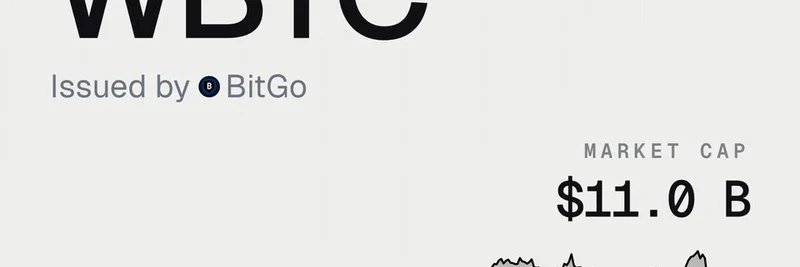
Token Terminal recently shared a straightforward breakdown of asset tokenization on X, making a complex crypto concept easy to grasp. If you've ever wondered how real-world assets get brought onto the blockchain, this ELI5 (explain like I'm five) guide is a great starting point. They used Wrapped Bitcoin (WBTC) as a prime example to illustrate the process.
What Is Asset Tokenization?
At its core, asset tokenization is about creating a digital version of an asset on a different ledger than where it originally lives. Think of it as taking something valuable—like a stock, a piece of real estate, or even Bitcoin—and representing it on a blockchain in a way that makes it easier to trade, use, or integrate with other systems.
Token Terminal defines it simply: "Asset tokenization = representation of an asset outside of its ledger of origin." This means you're not moving the actual asset but creating a tokenized version that acts as a stand-in, often with added benefits like faster transactions or access to DeFi protocols.
Breaking It Down Step by Step
Token Terminal laid it out in five clear parts:
Original Asset: This is the starting point—the thing you're tokenizing. It could be traditional items like stocks, bonds, or real estate, or crypto-native ones like cryptocurrencies, NFTs, or other tokens.
Ledger of Origin: Where the asset is originally recorded. For traditional assets, this might be government registries or company databases. In crypto, it's often a blockchain like Bitcoin's network.
Token Issuer: The entity responsible for creating the tokenized version. This could be a regulated company, a decentralized autonomous organization (DAO), or even a smart contract that runs automatically on the blockchain.
Destination Ledger: The new home for the tokenized asset. This ledger offers improvements over the original, such as better speed, lower costs, or additional features. For example, moving from Bitcoin's slower network to Ethereum's more versatile one.
Tokenized Asset: The end result—a version of the original asset that's now more efficient but might come with some added risks, like reliance on the issuer or smart contract vulnerabilities.
WBTC as a Real-World Example
To make this concrete, Token Terminal spotlighted WBTC, issued by BitGo. Here's how it fits the framework:
Original Asset: Bitcoin (BTC), the OG cryptocurrency.
Ledger of Origin: The Bitcoin blockchain, known for its security but not for speed or complex smart contracts.
Token Issuer: BitGo, a trusted custodian in the crypto space.
Destination Ledger: Ethereum, which supports DeFi apps, NFTs, and more.
Tokenized Asset: WBTC, which lets you use Bitcoin's value on Ethereum without selling your BTC. It's pegged 1:1 to Bitcoin, meaning each WBTC is backed by an equivalent amount of BTC held in custody.
This setup bridges liquidity between chains, as one reply to the tweet noted. It allows Bitcoin holders to participate in Ethereum's ecosystem, like lending on platforms such as Aave or trading on Uniswap, without leaving the crypto world.
Why This Matters for Meme Tokens and Blockchain Users
In the wild world of meme tokens, which often thrive on Ethereum and other EVM-compatible chains, tokenized assets like WBTC play a key role. They bring in massive liquidity—WBTC boasts a market cap over $11 billion, as shown in Token Terminal's update. This means more capital flowing into DeFi, where meme tokens can pair with stablecoins or wrapped assets for trading pairs.
For blockchain practitioners, understanding tokenization opens doors to real-world asset (RWA) integration. Imagine tokenizing meme-inspired art or community funds, making them tradable across chains. It's a step toward blending traditional finance with the decentralized ethos of crypto.
If you're tracking the latest in tokenized assets, check out Token Terminal's dashboard for unified views on how real-world value is shifting to blockchain rails. For more insights on how this ties into meme token trends, stay tuned to Meme Insider.
For the original post, head over to Token Terminal's X thread.