 Meme Insider
Stablecoins like USDT (Tether) and USDC (Circle) are essential in the crypto world. They're designed to hold a steady value, usually pegged to the US dollar, providing a safe haven from the wild swings of tokens like Bitcoin or meme coins. But a recent thread on X by DeFi expert Ignas sparked a fresh debate: why would anyone choose USDT over USDC?
Let's break it down. Ignas points out that while USDT might offer advantages in certain trading markets or slightly higher lending yields, neither stablecoin shares its profits or yields with holders. You're essentially taking on all the risk without any real upside—except for a temporary escape from crypto volatility.
Understanding the Backing: What's Behind These Stablecoins?
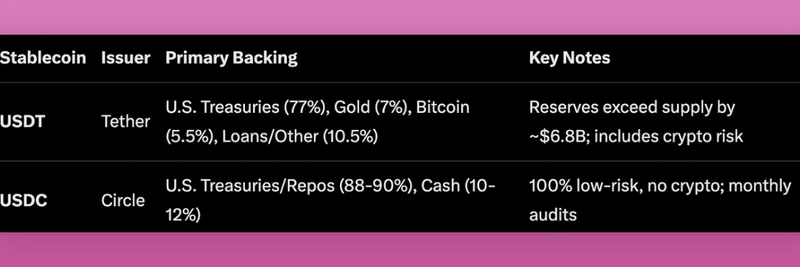
At the heart of the discussion is how these stablecoins are backed. USDT's reserves include a mix of assets that introduce more risk compared to USDC's conservative approach. Here's a quick look at the key differences, based on the latest data shared in the thread:
As you can see, Tether's backing is about 77% in US Treasuries, 7% in gold, 5.5% in Bitcoin, and 10.5% in loans and other assets. That's a hefty $56.8 billion in reserves exceeding supply, but it includes crypto-related risks. On the flip side, Circle's USDC sticks to 88-90% in US Treasuries and repos, with 10-12% in cash—100% low-risk, no crypto exposure, and monthly audits for transparency.
Ignas questions the logic: Tether's Bitcoin buys could pump BTC prices, which is "kinda based" for the market, but why not more BTC instead of gold? And those loans? They make up 10.5% and go to third-party entities like crypto firms and miners. It reminds some of past issues, like Tether's 2021 loan to Celsius, which was backed by BTC but still raised eyebrows.
The Risks: S&P Downgrade and Increasing Volatility
The thread highlights S&P's recent downgrade of USDT's risk to "weak," noting that volatile assets now make up 23% of its backing—up from 17% a year ago. Ignas wonders if this could climb to 50% in five years as Tether's profits grow. But as a holder, you get none of that profit, just the exposure.
There's no need to be a "stablecoin maxi," as Ignas puts it. Defending USDT fiercely might not make sense, especially since a USDT collapse could trigger a massive capital exodus from crypto, hurting everyone's portfolios—including those heavy in meme tokens.
Why This Matters for Meme Token Traders
At Meme Insider, we focus on meme tokens, which thrive on hype, community, and quick trades. Stablecoins are your go-to for parking gains or hedging bets during dumps. But choosing between USDT and USDC could impact your strategy. USDT's deeper liquidity in some DEX pairs and altcoin markets might tempt active traders for arbitrage ops. However, as replies in the thread note, you can often route trades through USDT without holding it long-term—swap USDC to USDT for the pair, then back.
Diversification in stablecoins? Not really helpful, says Ignas. It's about picking the one least likely to blow up. For EU users, regulations like MiCA even restrict USDT access on platforms like Binance, pushing more toward USDC.
Final Thoughts: Play It Safe or Chase the Edge?
Ignas wraps up by admitting he doesn't hold USDT and won't bash it further—Tether's BTC buys do help pump the market, after all. But for everyday traders, especially those dipping into meme coins, USDC's straightforward, low-risk profile might be the smarter play. No flashy gold or BTC in reserves, but also no unnecessary headaches.
If you're deep in DeFi or meme trading, keep an eye on these developments. Stablecoins aren't just boring USD proxies; their stability underpins the entire ecosystem. What do you think—USDT loyalist or USDC convert? Check out the full thread for more insights and join the conversation.